


Table of content
DISC Profile Activities for Team Building, Communication, & Workplace
Discover how DISC profile activities enhance team collaboration and communication. Apply practical exercises to build self-awareness and apply at work.

Table of content
Unlock the full potential of your team with DISC profile activities. These exercises help participants understand their behavioral styles, improve communication, and strengthen collaboration. By applying practical DISC exercises, teams can resolve conflicts, adapt to change, and enhance workplace interactions. Explore these activities now and take the next step to discover your style and boost team effectiveness.
Best DISC Profile Activities for Team Building
Building strong teams starts with understanding how individuals behave. DISC profile activities help members recognize their own patterns and learn to interact effectively with others. Well-designed activities make learning practical, engaging, and directly applicable to workplace collaboration.
DISC Map Placement
This exercise allows participants to place themselves on a visual DISC map according to their dominant style. It helps teams:
- Identify where strengths and gaps lie.
- Understand how different styles affect decision-making.
- Encourage open discussion about task distribution and cooperation.
This method also provides a foundation for future DISC profile exercises, guiding teams toward better mutual understanding.
Walk the Circle
In “Walk the Circle,” team members move to areas representing each DiSC style and respond to guided prompts. This approach helps:
- Build empathy across different behavioral tendencies.
- Promote flexibility in communication.
- Align team tasks with natural strengths.
This activity is especially effective for team building sessions that focus on improving interaction and collaboration.
DISC Corners
Participants gather in corners labeled with each DISC style to discuss:
- Typical behaviors and motivators of that style.
- Challenges and contributions they bring to the team.
- How diversity in styles enhances teamwork.
This exercise encourages deeper awareness of how personalities affect group dynamics, fostering respect and cooperation.
This Is Our Team
Teams reflect on the qualities that make their group effective, focusing on:
- Shared strengths and potential weaknesses.
- Strategies to leverage diverse approaches.
- Building unity and a clear team identity.
This activity strengthens collaboration and helps teams plan more efficiently.
Team Strengths
Using cards or worksheets, participants identify their individual strengths based on their DiSC style and share with the group. This process:
- Highlights complementary skills.
- Encourages appreciation for different working approaches.
- Reinforces trust and accountability within the team.
Incorporating DISC personality games in this way makes exercises practical and engaging, showing teams how to apply DiSC insights to real work situations.
By using these exercises, teams can go beyond theory, improving communication, collaboration, and performance. Leaders can further explore how to run a DISC workshop to maximize learning and team development.

DISC Communication Activities for Better Workplace Conversations
Clear workplace conversations start with understanding both yourself and your colleagues. DISC profile activities offer practical exercises to recognise different personality traits, improve communication skills, and enhance teamwork. These activities help employees adapt their style, avoid misunderstandings, and foster productive collaboration in real workplace scenarios.
Email Style Scenarios
In this exercise, participants review emails written in different tones to represent various DISC personality types careers. This helps them understand how language, tone, and structure can influence perception.
- Identify how direct, analytical, or supportive styles affect understanding.
- Adapt email tone for different recipients.
- Learn to prevent miscommunication and increase clarity.
This activity equips teams with practical strategies for crafting effective workplace messages.
Day in My Inbox
Participants simulate a full workday of incoming emails. They prioritise, respond, and decide the order of handling tasks while considering personality differences.
- Manage urgent requests alongside routine messages efficiently.
- Adapt responses to suit different behavioural styles.
- Recognise the impact of tone, timing, and detail on communication.
This exercise helps employees handle real-life digital communication effectively and reduce misunderstandings.
Communication Swap
Pairs of participants with contrasting communication styles exchange perspectives. Each person discusses a workplace challenge from the other’s point of view.
- Practise empathy and active listening.
- Adjust language, pace, and focus for better understanding.
- Strengthen collaboration and reduce conflicts.
This approach is an excellent example of Team building with DISC and encourages DISC personality group activities that improve team cohesion.
Answer Me This
Participants answer reflective questions about their approach to collaboration, problem-solving, and feedback. They then compare answers with peers to uncover differences and common patterns.
- Reveal individual communication preferences.
- Discuss how different styles approach tasks and challenges.
- Foster mutual understanding and trust within the team.
This activity works effectively in DISC activities for leaders, DISC profile workshops, or when applying DISC profile in work activities to improve team performance.
By integrating these structured exercises, teams can apply insights from DISC profile for team development to enhance communication. Employees learn to adapt their interactions, avoid friction, and build stronger professional relationships.

Fun DISC Icebreaker Activities for Workshops
Starting a workshop with interactive activities makes participants feel comfortable and engaged. These exercises help everyone connect, understand behavior patterns, and prepare for deeper learning in a DISC profile workshop.
DISC Bingo
Participants receive bingo cards with prompts about personality traits. They interact with others to find matches, marking squares as they go. Completing a row or column adds excitement while highlighting different communication and decision-making styles.
Celebrity DISC Style Activity
Teams assign famous people to the four DISC categories based on observed behaviors. Discussing each choice encourages participants to reflect on style differences. This activity makes learning about personality traits relatable and fun.
Lightning Round
Pairs of participants answer rapid prompts on preferences or choices in timed rounds. Rotating partners keeps energy high and illustrates how various personality styles affect quick decision-making.
Getting to Know You
Simple questions prompt participants to share what motivates them, how they solve problems, or what they value in teamwork. This builds empathy and helps everyone notice patterns in their own and others’ behaviors.
Creative Challenge
Small groups tackle a collaborative task such as building a model, solving a puzzle, or brainstorming a concept. Participants learn to adapt, communicate, and leverage diverse strengths to achieve a common goal.
These activities are not only fun but also help participants see behavioral differences in action. They provide a strong foundation for team learning and deeper reflection.
DISC Role‑Playing Activities for Conflict and Adaptability
Practicing real-life scenarios helps teams understand how personality affects communication. These exercises improve adaptability, teamwork, and problem-solving. By experiencing DISC profile activities for teams, members learn how to respond effectively to conflict and change.
DISC Adaptability Scenario Practice
This activity encourages participants to navigate changing priorities or unexpected challenges. Each person acts out responses based on a specific behavioral style.
- Adjusting communication to fit team needs fosters smoother collaboration.
- Reflecting on different responses highlights the value of applying DISC profile in work activities.
Positive Conflict on Teams
Teams role-play situations where disagreement may occur. This exercise shows how conflict can be productive when handled correctly.
- Listen actively and reframe opposing views.
- Use collaborative strategies to reach consensus.
- Leaders benefit from DISC assessment activities for leaders to guide discussions.
Feedback Discussion
Giving and receiving feedback is crucial for improvement. Participants rotate roles to practice both perspectives.
- Focus on clarity and tone when delivering comments.
- Learn to accept input without defensiveness.
- Integrates training personality principles to ensure effectiveness.
Project Challenge Role Play
Teams tackle a project with time or resource limits to simulate real challenges. Roles are assigned to reflect varied behavioral patterns.
- Experience balancing risk, attention to detail, and support within a team.
- Reflect on strategies that helped overcome obstacles.
- Facilitators can incorporate DISC profile workshops techniques for practical insights.
These exercises demonstrate practical DISC profile activities that turn theory into experience. They build stronger communication, enhance adaptability, and reduce conflict in teams.

DISC Activities for Managers and Leaders
Engaging in practical DISC activities helps leaders understand their own behaviour and improve team communication. These exercises give managers actionable insights to enhance motivation, reduce stress, and communicate effectively.
Motivate Me
This activity allows managers to identify what drives each personality type. Understanding individual motivators helps leaders:
- Recognize what energizes team members
- Encourage collaboration and engagement
- Align tasks with personal strengths for better results
By applying these insights, leaders can inspire their teams and foster a productive work environment.
DISC and Stress
Stress affects everyone differently depending on personality. This activity helps leaders notice:
- Triggers that may cause frustration or withdrawal
- Behavioural patterns under pressure
- Ways to support team members and reduce conflicts
Managers learn to adjust expectations and offer guidance that suits each style, improving resilience and team harmony.
Power Words
Communication is more effective when words match the listener's personality. In this exercise, leaders:
- Identify language that motivates each style
- Practice phrases that build trust and clarity
- Enhance rapport through targeted communication
Using the right words consistently strengthens influence and minimizes misunderstandings across teams.
Virtual DISC profile activities for remote teams
Remote work can make understanding team members harder, but structured DISC activities help bridge this gap. These exercises allow each member to show their natural work style, improving communication and collaboration.
DISC virtual backgrounds
Using virtual backgrounds that reflect personality types helps team members share their style visually. This simple approach sparks conversation and makes everyone’s preferences easy to see.
Virtual whiteboard team map
A collaborative digital whiteboard can map each member’s DISC profile, displaying roles, strengths, and preferred interaction styles. This visual tool reduces misunderstandings, and guides project assignments based on complementary behaviors.
Remote day-in-the-life scenarios
Simulating a typical workday through role-play scenarios helps team members experience challenges and decision-making styles. This activity enhances empathy, highlights potential conflicts, and fosters solutions-oriented thinking in a remote setting.
Online conversation starters
Structured prompts designed around DISC tendencies stimulate meaningful virtual discussions. By aligning questions with each personality type, teams can uncover communication gaps, encourage participation, and strengthen relationships despite physical distance.
Boost your team’s effectiveness today by exploring these DISC activities and take the test to discover your style and enhance collaboration.
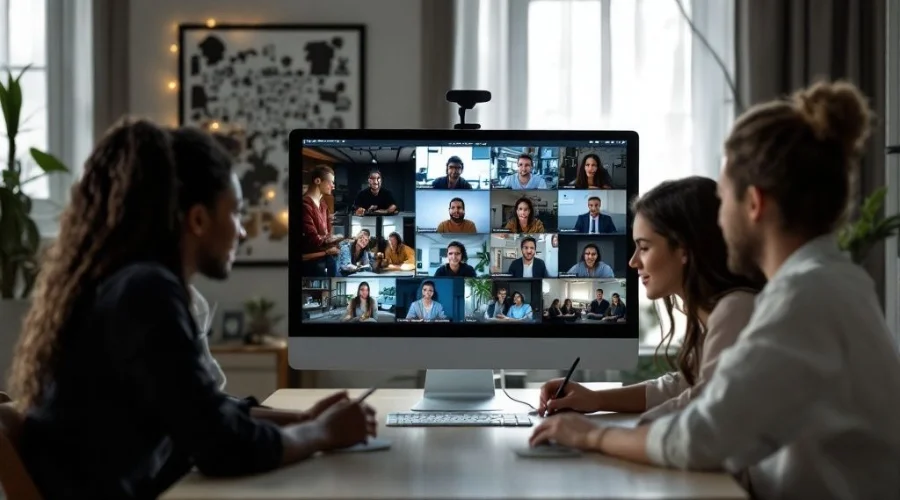
Step-by-step guide to running a DISC profile activity
Running a DISC Profile Activities session helps participants understand their own behavior and improve team interaction. Follow these steps for a structured, engaging experience.
Step 1: Start with a clear learning objective
Begin by defining what participants should achieve. Goals may include better communication, enhanced collaboration, or increased self-awareness. Clear objectives help everyone stay focused and understand the purpose of the activity.
Step 2: Explain the four DISC styles briefly
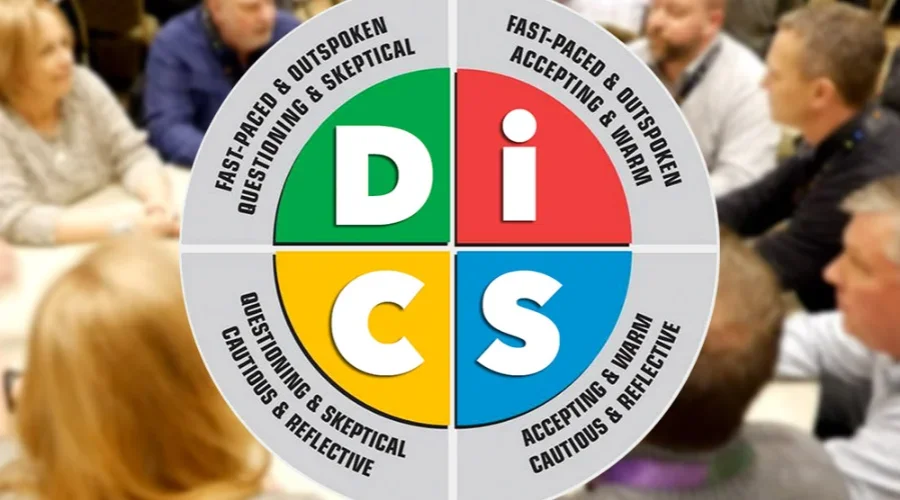
Introduce the four key behavioral types: Dominance, Influence, Steadiness, and Compliance. Keep explanations simple so participants can quickly identify traits in themselves and others.
Step 3: Run the activity with simple instructions
Set up the exercise with clear, easy-to-follow directions. Choose activities that highlight style differences without making participants feel judged. Examples include:
- Use interactive exercises like group sorting or scenario discussions.
- Encourage participants to observe differences without judgment.
- Focus on collaboration between contrasting styles to spark insights.
Step 4: Debrief with reflection questions
After completing the activity, guide participants to reflect on their experience. Ask questions that help them connect insights to real-world behavior:
- What did you notice about your own responses?
- How did others’ styles affect the group interaction?
- What patterns might influence team performance?
Step 5: Turn insights into workplace actions
Finally, translate understanding into practical steps for daily work. Encourage participants to:
- Adapt communication to fit colleagues’ styles
- Resolve conflicts more effectively
- Leverage team strengths for better collaboration
Applying these actions ensures the session creates meaningful change, not just awareness.
Common Mistakes to Avoid When Using DISC Profile Activities
Using DISC Profile Activities effectively requires careful guidance. Trainers often make avoidable mistakes that reduce learning impact. Below are key pitfalls to watch.
Do not label people too rigidly by one DISC style
Assigning individuals to a single category oversimplifies behavior. DISC highlights natural tendencies, not permanent traits. Treating labels as fixed can cause misunderstandings and limit personal growth. Encourage exploration of all behavioral styles to better understand oneself and others.
Do not use activities without a workplace application
Activities should clearly connect to professional situations. Fun exercises without context fail to improve collaboration, communication, or problem-solving at work. Effective DISC activities bridge learning to real scenarios, enhancing engagement and practical skill development.
Do not skip the debrief discussion
Reflection is essential after each exercise. Discussing experiences allows participants to articulate lessons, share perspectives, and apply insights in daily tasks. Skipping debrief reduces retention and undermines the practical value of the activity.
Do not treat DISC as a hiring or judgment tool without context
DISC measures behavioral preferences, not competence or performance. Using it to hire or judge can lead to bias and mistrust. Always present results as guidance for self-awareness and teamwork improvement, not as evaluation metrics.
Conclusion
Master your team’s dynamics with DISC profile activities and transform the way you communicate, collaborate, and lead. These exercises provide practical insights to understand yourself and others, reduce conflicts, and boost productivity. Take action today to apply DISC principles in your workplace. Start by taking a online DISC test and discover your behavioral style to enhance team performance and personal growth.
FAQs
Can DISC activities be used online?
Yes. DISC profile activities can be adapted for virtual settings using video calls or collaboration platforms. With clear instructions and interactive elements, online DISC exercises still help participants explore behavioral styles and improve teamwork. Good facilitation ensures engagement and meaningful learning remotely.
How long should a DISC activity take?
The ideal length varies by complexity and group size. Simple exercises may take 15–30 minutes, while deeper team building activities can run 45–90 minutes. Always allow extra time for reflection and discussion so participants can connect insights to real workplace interactions.
Do employees need to complete a DISC assessment before joining activities?
Completing a DISC assessment first is highly recommended. The results give individuals insight into their own style, making DISC activities more meaningful. Without assessment data, participants may struggle to fully engage or apply lessons about behavior and communication preferences.
How do DISC activities improve communication?
DISC activities improve communication by helping people recognize different interaction styles. Participants learn how others prefer to receive information, make decisions, and respond under pressure. This awareness fosters clearer dialogue, reduces misunderstandings, and strengthens collaboration across teams.


Don't Let Your Potential Stay Hidden!
Take the DISC test today and discover your unique 'YOU', with deep insights into your true personality and potential.
 Understand yourself
 Choose the right career
 Suggest effective communication
 Reduce negative emotions
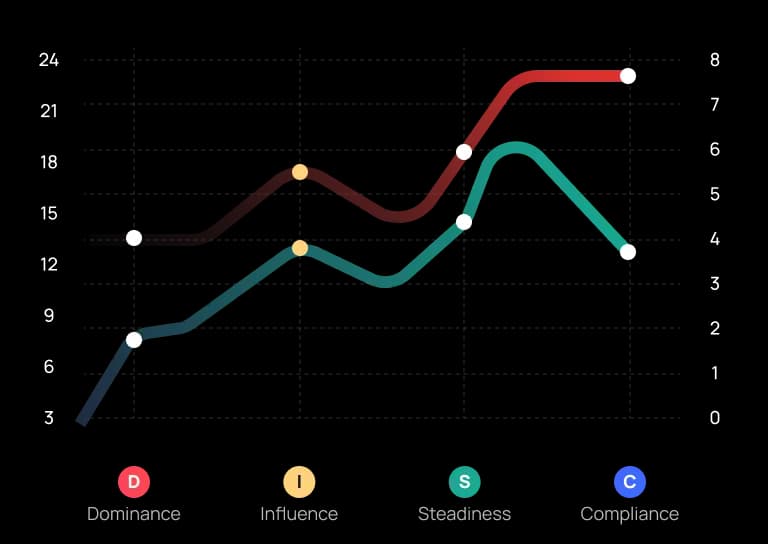
Represents your instinctive behaviors and desires.
Shows the behavioral tendencies you think you should exhibit in specific situations.
Related articles
You may also be interested in
 DISCSep 28, 2026
How to Identify Your Strengths and Weaknesses at Work
Understand your strengths and weaknesses at work by reviewing your skills, past achievements, etc. Improve and align your strengths with career goals.
 DISCMay 29, 2026
DISC Assessment for Hiring: How to Use DISC to Hire Better Candidates
Learn how to use DISC assessment for hiring responsibly. Discover how DISC helps evaluate work style, team fit, communication, onboarding, and hiring decisions.
 DISCMay 21, 2026
What Does the DISC Assessment Measure? Key Behavioral Styles Explained
Discover what does the DISC assessment measure and understand your behavior & communication style. Learn how insights can improve teamwork and personal growth.
