


Table of content
100+ Team Building Questions to Build Trust & Collaboration at Work
Explore effective team building questions to boost connection, trust, and collaboration in your team. Engage everyone and strengthen your team's dynamics today!

Team Building Questions are essential for fostering trust, communication, and collaboration within teams. Whether in meetings, workshops, or remote settings, these questions help break the ice, encourage open discussions, and strengthen connections. In this article, we’ll explore how using the right team-building questions can improve team dynamics, boost creativity, and enhance overall performance. Keep reading to discover a variety of questions that will help your team communicate better and collaborate more effectively.
What Are Team Building Questions?
Team building questions are essential tools for fostering better communication, trust, and teamwork within a group. These questions are crafted to break the ice, encourage open discussions, and help team members understand each other’s perspectives. When used effectively, team-building questions improve interpersonal skills and contribute to a more positive workplace personality.
These questions can vary from simple icebreakers to thought-provoking queries that spark deeper conversations. The goal is to create an environment where everyone feels heard and valued, ultimately leading to stronger collaboration. In team settings, such as team meetings, these questions help individuals express their thoughts and build rapport with one another.

When to Use Team Building Questions
Knowing when to incorporate team building questions into your routine is crucial. These questions are best used at key moments where engagement and connection are needed most. Here are some ideal times to use them:
- At the beginning of a meeting: Starting with opening questions for meetings helps set a positive tone. It encourages participation and creates a more relaxed environment, especially when team members are not familiar with each other.
- During team workshops or training sessions: Use discussion topics for team meetings to spark creativity and interaction. These questions help people connect on a deeper level and tap into their creative personality type.
- When facing changes or conflict: In challenging times, team-building questions can rebuild trust and ease tensions. They give team members a chance to express themselves and focus on their shared goals.
For remote teams, these questions are even more crucial. They can bridge the gap between distant colleagues, encouraging collaboration and helping them understand each other’s strengths and weaknesses.
By incorporating team building questions effectively, you ensure that your team communicates better, collaborates more efficiently, and feels more connected to one another.
Key Benefits of Using Team Building Questions
Team building questions offer numerous advantages, including strengthening team dynamics, improving communication, and boosting creativity. These questions help bring out the best in team members and foster better collaboration.

Strengthening team dynamics
Asking the right questions promotes better teamwork and understanding. It helps members recognize each other’s strengths, leading to a more connected and productive team. By engaging with interesting topics to discuss in team meetings, teams can break down barriers and improve overall collaboration.
- Encourages teamwork and collaboration
- Builds mutual respect and understanding
- Enhances team cohesion
Encouraging Open & Safe Communication
Effective team building questions encourage team members to speak openly and share their thoughts. This creates an environment of trust and transparency, which is essential for resolving issues and improving teamwork. It’s especially important in remote or hybrid teams, where communication can sometimes feel disconnected.
- Promotes honest feedback
- Increases transparency among team members
- Improves communication in remote and hybrid settings
Boosting Creativity and Problem-Solving
Well-crafted questions can spark new ideas and encourage creative thinking. By challenging team members to think in new ways, teams can develop innovative solutions to problems. Asking good questions to ask in a team meeting helps to draw out fresh perspectives, which leads to better outcomes.
- Stimulates creativity and fresh thinking
- Encourages unique solutions to problems
- Fosters innovative approaches to challenges
Supporting Remote and Hybrid Collaboration
For remote or hybrid teams, team-building questions are key to maintaining engagement and building strong connections. These questions help bring team members together, even from a distance. By using fun questions for team building, teams can boost morale and ensure everyone feels included.
- Strengthens virtual connections
- Enhances collaboration in remote environments
- Keeps teams engaged and motivated
150+ Team Building Questions to Boost Connection and Cooperation at Work
Team building questions help improve communication, collaboration, and trust within your team. Whether to break the ice, spark meaningful discussions, or reflect on progress, these questions are designed to fit various situations and team dynamics. Check out the categories below to find the best questions for your activities.
Quick icebreaker questions (Fast warm-ups)
Why use them: These questions are perfect for sparking quick conversations and building rapport in a short amount of time. They help establish connections and are ideal for meetings, particularly when you need to promote communication in remote teams or address topics for a meeting efficiently.
Here are some quick icebreaker questions to try:
- What's a surprising thing on your bucket list?
- What’s the best thing you’ve crossed off your bucket list?
- If you could only read one book for the rest of your life, what would it be?
- What’s your favorite children’s book?
- What’s your go-to coffee order?
- What’s your favorite board game?
- What’s an underrated kitchen appliance or gadget?
- What was your first job?
- What’s your favorite room in your house?
- What’s the best vacation you’ve ever been on?
- What’s your least favorite sport?
- What’s your dream car?
- What toppings are on your ideal pizza?
- What song makes you feel the most nostalgic?
- What’s your go-to karaoke song?
- What song is most likely to get you on the dance floor?
- What format was the first album you purchased? (Cassette, CD, digital)
- What smell reminds you most of a specific place or time?
- Do you have a lucky number? What is it, and why?
- What’s your favorite type of cuisine?
- What’s your favorite way to eat potatoes?
- If you could have an unlimited supply of one thing, what would it be?
- What’s your signature dance move?
- What would your personal theme song or walk-on song be?
- What’s your favorite dad joke?
- What’s your favorite icebreaker question?
Funny team building questions
Why use them: Funny questions lighten the mood and boost engagement by encouraging laughter and creativity. They help improve team dynamics and connection, especially when you understand the compatibility of personality types within your group.
Here are some funny questions to try:
- What game show do you think you have the best chance of winning?
- What's your most-used emoji?
- What's the worst childhood outfit your parents made you wear?
- What's your favorite knock-knock joke?
- What was the worst hairstyle choice you made?
- What's the most ridiculous impulse purchase you've ever made?
- When you were a kid, what was the silliest thing you believed?
- When I dance, I look like __________.
- What is your guilty TV pleasure?
- What's the most brainless thing you did while sleep-deprived?
- What fashion trend do you wish would come back?
- What song is guaranteed to make you sing?

Gratitude team building questions
Why use them: Gratitude-based questions foster a positive atmosphere, strengthen bonds, and improve team morale. They encourage reflection and mutual respect, and when tailored to the creative personality type, they can deepen connections within the team.
Here are some gratitude team building questions to try:
- What are your three simple joys?
- What lesson are you most grateful for learning?
- What about today has been better than yesterday?
- What's one aspect of your personality that you're grateful for?
- How do your team's contributions help you do your job more effectively?
- What skills are you thankful for gaining on this team?
- What's your favorite team memory?
- What team project did you enjoy completing the most? Why?
- The thing I enjoy most about my job is ________.
- Which team member made you laugh last?
- What qualities do you appreciate the most in this team?
Virtual, remote & hybrid team building questions
Why Use Them: The right questions in remote or hybrid teams improve communication, boost engagement, and help members feel more connected despite distance. They foster camaraderie and provide insights into how the team operates in these settings.
Here are some virtual team building questions:
- What is your favorite work-from-home productivity hack?
- When working remotely, I usually wear ___________.
- Which of your team members do you think is the tallest?
- What’s the most expensive thing in your home office?
- What’s your favorite workday snack?
- How do you minimize distractions while working from home?
- What’s the best thing about your home office setup?
- What’s your go-to Zoom background?
- What’s your favorite work-from-home playlist?
- How often do you work from bed?
- If you're living in a new city, how did you end up there?
Serious team building questions
Why Use Them: Serious questions promote trust and vulnerability, allowing team members to share personal and professional aspirations. They help deepen connections beyond surface-level interactions.
Here are some serious questions to strengthen team camaraderie:
- What’s your greatest professional achievement?
- What’s your greatest personal achievement?
- What’s one of your biggest fears?
- Who was your biggest role model as a child?
- Who is your most influential role model right now?
- What’s the kindest thing someone’s done for you?
- What’s the biggest goal for your career?
- How do you handle change?
- What book had the biggest impact on your life?
- What inspired you to pursue the career you have today?
Reflective team building questions
Why Use Them: Reflective questions encourage mindfulness and self-awareness. They help team members pause and reflect on their experiences, improving emotional connection and strengthening team bonds.
Here are some reflective questions for team building:
- What’s something you never thought you would do but did?
- What cliché or phrase do you most live by?
- How do you unwind after a long day?
- When you're feeling down, how can team members cheer you up?
- What is the best advice you’ve ever received?
- How do you best learn new information?
- How does this team challenge you to be better?
- My favorite way to spend the day is ___________.
- What image, smell, or sound triggers nostalgia for you?
- What team project required you to learn a new skill that you appreciate?
- What’s the most spontaneous thing you’ve ever done? How did it make you feel?

Holiday-themed team building questions
Why Use Them: Holiday-themed questions bring fun and festive energy to meetings. They allow team members to share traditions, building bonds through shared experiences during the holiday season.
Here are some fun holiday-themed questions:
- Which holidays do you celebrate in winter?
- What’s your favorite holiday dish?
- What’s the best holiday gift you’ve ever received?
- What’s your go-to scary movie to watch in October?
- What’s your favorite childhood Halloween costume (if you celebrated Halloween)?
- What’s your go-to drink at a holiday party?
- Did you believe in Santa Claus as a kid? If so, for how long?
- What’s your favorite holiday memory?
- What’s your favorite holiday movie?
- If you celebrate Christmas, how early do you start decorating?
- What’s your favorite fall activity?
Team building questions for small groups
Why Use Them: In smaller teams, there's a unique chance to ask more introspective questions that encourage deeper reflection. Since team members have more time to elaborate, this creates an excellent opportunity to strengthen relationships and foster stronger bonds within the team.
Here are some thought-provoking team-building questions for small groups:
- How do you get motivated for difficult tasks?
- How do you recognize when you're stressed?
- What’s the last thing you did for the first time?
- What feedback from a team member did you appreciate receiving?
- What’s an album you think has no bad songs on it?
- What’s an underrated skill everyone on the team can benefit from?
- What’s the most memorable thing you bought with your first salary?
Team building questions for large groups
Why Use Them: When working with a larger team, time can be limited for each person to answer in-depth questions. For large groups, it’s better to ask questions that require less time but still promote connection and interaction. These questions are great for quick icebreakers or casual conversations.
Here are some questions for large groups:
- What’s your favorite ice cream topping?
- What color best describes your personality?
- What is your favorite part about working at the company?
- Where did you grow up?
- What’s your favorite food?
- Where did you go on your last vacation?
- Who knows you best?
- Where’s the last restaurant you went to?
- My go-to karaoke song is _________.
- What’s your favorite hobby?
- What’s the last show you’ve binge-watched?
“This or that” team building questions
Why Use Them: A fun and engaging way to build connections quickly is by using the “This or That” format. This game is especially helpful when you're short on time, and it allows team members to get to know each other in a light-hearted way.
Here are some entertaining “this or that” team building questions:
- Dogs or cats?
- Summer or winter?
- Spring or fall?
- Coffee or tea?
- Hot or cold?
- Ice cream or cake?
- Ocean or mountains?
- Zoom or Teams?
- Morning person or night owl?
- Drive or fly?
- Dine in or takeout?
- Android or iPhone?
- Sports game or concert?
Trivia team building questions
Why Use Them: Trivia questions add a playful and educational element to team bonding. They not only serve as an icebreaker but also help team members learn more about the company and each other. These questions are ideal for boosting team engagement and knowledge sharing.
Here are some trivia team-building questions:
- What’s our company tagline or motto?
- Who founded our company?
- How many people work in our organization?
- What’s one position we’re hiring for in the department?
- What’s the last thing we posted on Instagram?
- What’s the title of one blog post on our website?
- Which person has been on the team the longest?
- Who's been at the company the longest?

Get-to-know-you team building questions
Why use them: When working with a new team or integrating a new member, it’s crucial to break the ice and build connections. These questions break the ice and help new teams or members connect quickly. They ease awkwardness and build positive relationships from the start.
Here are some unique get-to-know-you questions:
- Do you have a pet? If yes, what kind and what’s their name?
- What sport or instrument did you enjoy as a child?
- What’s your favorite family tradition?
- Who was your celebrity crush growing up?
- Who is your oldest friend? How long have you known each other?
- What was your least favorite food as a child?
- Do you have any siblings? If yes, how many?
- What was your favorite activity in gym class?
- Who brings the most laughter to your family?
Mental health check-in questions
Why use them: Regular mental health check-ins promote a supportive work environment. These questions help identify stressors, encourage open communication about personal well-being, and ensure a balanced approach to work and life.
Here are some mental health check-in questions:
- What is your biggest stressor right now?
- What are you feeling grateful for today?
- What would make today/this week great for you?
- What surprised you about how you’ve responded to a recent challenge?
- How do you feel about your current work-life balance?
- What motivates you right now? Is it different from what it was in the past?
- Who are your heroes right now?
- Do you need help staying accountable with a personal or work-related goal?
- When are you most creative and productive?
- What self-care practices have been most effective for you recently?
Questions to identify issues or team blockers
Why use them: Understanding issues or blockers in a team’s workflow is essential for continuous improvement. These questions help uncover hidden challenges, fears, and concerns that may hinder progress. In the case of team members with different personality types for accountants, recognizing specific challenges based on their working styles can make it easier to address potential roadblocks.
Here are some questions to identify issues or blockers:
- What are your main concerns about our current project?
- What is preventing us from progressing as a team?
- If we were to lose funding, what would you like us to accomplish first?
- What three values would you focus on if you were to start our organization from scratch?
- What do you wish our team could focus on that we haven’t had the chance to?
- What do others think about our team but may not openly say?
- What do you think has been the most significant impact our team has had on the organization?
- How should we measure success?
- What do you think our team fears most?
- What’s your biggest communication challenge with the team?
Opportunity-focused team building questions
Why use them: Opportunity-focused questions inspire growth and innovation by identifying areas for improvement, sparking new ideas, and encouraging proactive problem-solving.
Here are some opportunity-focused team building questions:
- Is there a new trend or technology that excites you? Can we implement it in our work?
- How would you describe our team in three words?
- If we had unlimited time and resources, what project would you want to take on and why?
- What’s one activity you’d like us to do as a team?
- What’s one piece of feedback that helped you recently?
- How do you think your job has evolved over the past year?
- What’s one thing that would make your job easier right now?
- Have you seen anything interesting from our competitors that could inspire our future work?
- What is one thing we can improve about our day-to-day communication?

Questions to celebrate wins & strengthen recognition culture
Why use them: Celebrating wins and recognizing efforts boosts team morale. These questions foster a culture of appreciation, motivating continued success and enhancing collaboration.
Here are some questions to celebrate wins recognition culture:
- What are our team's greatest strengths?
- What makes us successful?
- What do you think is the most surprising challenge we’ve taken on as a team this year?
- What could other teams learn from ours?
- What are some successes from this past year, and how can we build on them?
- If a filmmaker was making a short documentary about our team, what would be the highlights?
- What else could our team take on? What new challenge should we face?
- What could we improve on as a team moving forward?
- If we could have a theme song, what should it be and why?
- What makes our team unique compared to others in the organization?
Questions to celebrate individual contributors
Why use them:These questions highlight individual achievements, encourage growth, and build a culture of recognition, which boosts motivation and engagement within the team.
Here are some questions to celebrate individual contributors:
- What’s something you did for work this week that you’re proud of?
- How about something you did outside of work that you’re proud of?
- What is your favorite part of your job right now? Why?
- Is there someone on the team who has gone above and beyond lately that you’d like to shout out?
- Whose creativity has really been shining lately? Give some shoutouts!
- How do you like to be recognized for a job well done?
- What is one personal goal you’ve met in the past week/month/quarter?
- What challenges did you overcome this week/month, and how did you do it?
- What would help you feel more supported in your role right now?
- What is one thing you wish the team knew about your current work or achievements?
How to Choose the Right Team Building Questions
Choosing the right team building questions can help improve team dynamics and communication. It also creates a safe environment for team members to share openly. Follow these steps to choose the most effective questions for your team.

Match Question Type to Team Stage & Dynamics
To get the best results, it's important to match the type of question with the team’s current stage. Whether the team is new or established, different types of questions will drive the desired outcomes. For example:
- New teams benefit from icebreaker questions to build rapport.
- Established teams should focus on problem-solving or reflective questions.
Adjust the questions to fit the team dynamics to ensure active participation and positive engagement.
Consider Trust Levels & Psychological Safety
Trust and psychological safety are key to effective teamwork. The questions should help team members feel comfortable and confident. Avoid questions that might create discomfort or vulnerability. Instead, focus on:
- Supportive questions that encourage open sharing.
- Positive questions to foster trust and safety.
Creating a psychologically safe space enables team members to engage fully and without fear of judgment.
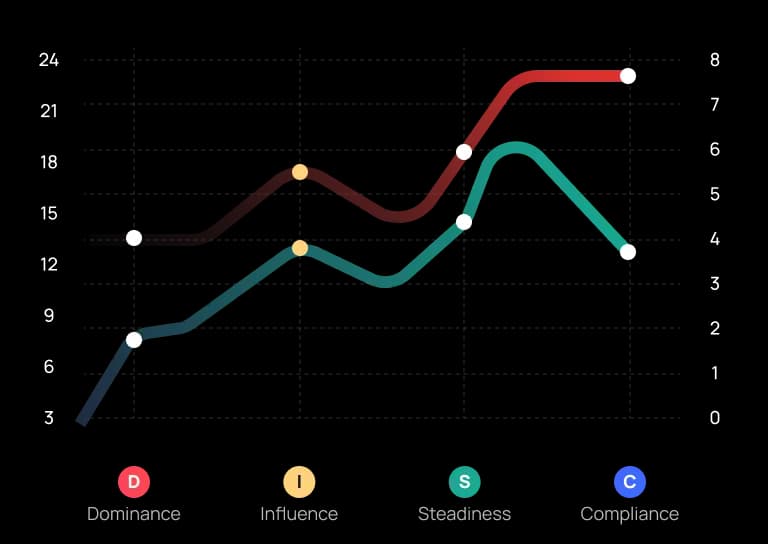
Tailor Questions to DISC Styles
Each team member has different preferences based on their DISC personality type. Tailoring team-building questions to match these styles ensures the questions are engaging for everyone:
- D-type responds well to challenging questions that highlight their leadership.
- I-type enjoys creative and social questions to keep the conversation lively.
- S-type prefers teamwork-focused questions that promote stability.
- C-type is drawn to analytical questions that allow them to showcase their detail-oriented nature.
To better understand your team's dynamics and enhance engagement, consider taking a DISC Test today and tailor your team building questions to suit their unique styles.
How to Implement Team Building Questions Effectively
Incorporating team building questions into your meetings can foster stronger relationships, enhance collaboration, and boost overall team performance. Here’s a step-by-step guide on how to implement team-building questions in a way that’s engaging and productive.
Step 1: Choose Your Questions Carefully
Before the meeting, select the team building questions that will best fit your goals. Consider what you want to achieve from these activities, such as improving communication, trust, or problem-solving. Make sure the questions are open-ended and encourage thoughtful responses.
Step 2: Determine the Order of Responses
Plan the order in which team members will respond to the questions. If the meeting is in person, you can go around the table and have everyone answer one by one. For virtual or hybrid meetings, it’s helpful to assign the first responder, who will then choose the next person to answer. This creates a natural flow and ensures that everyone has a chance to speak.
Step 3: Set Expectations at the Start of the Meeting
At the beginning of the meeting, clearly explain the process. Let everyone know that you’ll be answering questions, and share the specific category of questions you’ve chosen. Set the tone by encouraging everyone to answer openly and with respect.
Step 4: Foster Engagement Through Interaction
As you ask each team building question, encourage team members to engage with each other’s responses. This creates a sense of connection and allows everyone to share insights. You may also want to facilitate follow-up questions or comments to promote further conversation.
Step 5: Reflect on the Experience
After the questions have been answered, take a moment to reflect as a group. Ask the team how they felt about the activity and what they learned about each other. This can provide valuable feedback for improving future sessions.
By following these simple steps, you can effectively implement team-building questions that contribute to a stronger, more cohesive team.
Conclusion
Using Team Building Questions is a powerful way to enhance communication, foster trust, and elevate collaboration within your team. By asking the right questions at key moments, you can create a positive atmosphere where every team member feels heard and valued. Start integrating these questions into your meetings and watch your team's dynamics improve, leading to stronger connections, increased creativity, and greater success. Let these questions be the catalyst for building a more cohesive and high-performing team.
FAQs
What makes a team-building question effective?
An effective team-building question is open-ended, engaging, and encourages genuine conversation. It helps team members share personal experiences or thoughts, fostering trust and connection. The best questions create an inclusive environment, making everyone feel comfortable to participate.
Are these questions suitable for remote teams?
Yes, team-building questions are ideal for remote teams. They help bridge the distance and encourage engagement during virtual meetings. By using clear communication and structured participation, remote teams can bond just as effectively as in-person teams.
Can team-building questions improve performance?
Yes, these questions can boost team performance by enhancing communication, trust, and collaboration. When team members feel more connected, they work more effectively together, leading to better outcomes and a stronger team dynamic.
How do I avoid awkward or forced conversations?
To avoid awkwardness, ensure the questions are light, inclusive, and appropriate for the group. Encourage openness but respect personal boundaries. Let participants answer at their own pace, and keep the atmosphere relaxed and supportive to make conversations feel natural.


Don't Let Your Potential Stay Hidden!
Take the DISC test today and discover your unique 'YOU', with deep insights into your true personality and potential.
 Understand yourself
 Choose the right career
 Suggest effective communication
 Reduce negative emotions
Represents your instinctive behaviors and desires.
Shows the behavioral tendencies you think you should exhibit in specific situations.
Related articles
You may also be interested in
 Self ExplorationSep 28, 2026
What Is Self-Awareness and How Can You Develop It?
Discover what self-awareness means, how it shapes your thoughts and behavior, and practical ways to make better decisions and more.
 Self ExplorationSep 16, 2026
Introvert vs Extrovert: Which One Are You?
Are you an introvert, extrovert, or ambivert? See how energy, behavior, and environment shape your personality style, with traits and subtypes.
 Self ExplorationDec 17, 2025
What Are the Dynamics of a Team? Understanding How Teams Really Work
Discover what are the dynamics of a team and how they impact team performance. Learn how communication, roles & personality differences boost collaboration.
