


Table of content
What Is Group Culture? How Team Behaviors Shape Workplace Success
Discover what is group culture and how it shapes team dynamics, decision-making, and performance. Learn how the DISC model can help improve your team’s culture.

Table of content
What is group culture? It’s the shared set of behaviors, values, and attitudes that define how a group functions, influences communication, and shapes decision-making. Understanding your team’s culture is crucial for improving collaboration, performance, and trust within the workplace. In this article, we’ll explore how understanding group culture can improve team dynamics, foster trust, and drive success. We’ll also discuss how tools like DISC can help teams align their behaviors to create a more cohesive and productive work environment.
What Is Group Culture?
Group culture refers to the shared behaviors, values, and attitudes that define how a group operates. It’s essentially the “way we do things” within the group. Much like individuals, groups develop their own unique culture over time, shaping how members communicate, collaborate, and make decisions.
What is the meaning of group culture? It’s the informal set of expectations and norms that influence how group members interact and behave. Often, this culture is invisible to the members, but it exerts a powerful influence on how they act.

What is an example of a culture group? In a workplace, a team may have a culture of collaboration, where everyone supports each other, or a more competitive culture, where individuals are more focused on personal success.
Understanding group culture is crucial as it affects team dynamics, task completion speed, and decision-making. It shapes how members interact with each other and with outsiders. For instance, in social work, the culture of a group might be centered around empathy and support, while in a corporate setting, the focus could be on efficiency and productivity.
Why Is Group Culture Important?
Group culture is essential because it directly affects the behavior, attitudes, and satisfaction of each member. When individuals feel aligned with the culture of a group in social work, they are more likely to experience a sense of belonging and fulfillment. However, for those who don’t fit in, the culture can create discomfort and disengagement. Understanding what is group culture helps teams identify the factors that contribute to a cohesive and effective work environment.

How Group Culture Influences Daily Decisions
Group culture impacts the daily decisions made within a team or organization. It shapes how members approach tasks, make choices, and collaborate. The definition of culture group emphasizes that certain values and practices guide these decisions.
A healthy culture encourages open communication, collaboration, and quick decision-making, while a misaligned culture may slow down processes, lead to conflict, and cause decision-making to become more complex or one-sided.
Impact on Collaboration, Trust, and Performance
A strong group culture fosters collaboration and trust, leading to improved teamwork and higher performance. When personalities work best together, and team members share common values and behaviors, they are more likely to work cohesively toward shared goals.
For example, in co culture groups examples, strong relationships and mutual respect enable greater success. On the other hand, a toxic or weak culture can result in a lack of trust, poor communication, and diminished team performance.
Why Strong Skills Cannot Compensate for Poor Group Culture
Even the most skilled individuals cannot thrive in a group with a poor culture. While expertise and abilities are important, a negative or misaligned culture can undermine their contributions. Whether it's team building or fostering open communication styles, a supportive culture nurtures skills and fosters collaboration.
A dysfunctional culture, however, can hinder motivation, communication, and overall success. For this reason, if you are looking to improve group dynamics, you may consider training personality or even run a DISC workshop to better align your team’s culture.
Where Does Group Culture Come From?
Group culture is shaped by various factors that influence how members behave and interact. Understanding where it comes from can help in assessing and adjusting it when necessary.
Leadership behavior and role modeling
Leaders play a crucial role in shaping group culture through their behaviour and role modeling. The way leaders communicate, make decisions, and interact with team members sets the tone for the rest of the group. Positive role modeling by leaders encourages desired behaviours and creates a culture of collaboration and trust. In workplace personality, this can help define how the group operates and responds to challenges, fostering a more productive environment.
What behaviors get criticized or discouraged
The behaviours that are criticized or discouraged within the group also influence its culture. When certain actions, such as speaking out or taking risks, are penalized, it impacts how members approach challenges. Over time, this can create a culture where innovation is stifled and conformity is prioritized. Understanding what makes a group a culture involves recognizing these dynamics and how they shape members' willingness to contribute new ideas.
Shared experiences, pressure, and team history
Shared experiences, team history, and external pressures significantly impact group culture. The way a group has dealt with past successes, challenges, or conflicts shapes the current dynamics. These shared experiences influence how members interact with one another and establish expectations for future actions, reinforcing certain cultural traits within the group.
Culture groups examples can be drawn from various social work settings, where the collective experience of dealing with specific challenges defines how members interact and collaborate within their teams.
- Leadership plays a key role in shaping group culture through role modeling.
- Behaviours that are discouraged impact how the group approaches innovation and creativity.
- Shared experiences and pressure influence how members interact and shape future actions.
By understanding what is group culture, you can better assess and manage your group dynamics.
How Group Culture Is Formed and Reinforced Over Time
Group culture is shaped by various factors, including behaviors, values, and attitudes that evolve. These cultural aspects influence how the group functions and how members work together. Understanding what is the culture of a group is key to grasping how a team develops and operates.

Informal rules that shape how work gets done
Group culture is reinforced by informal rules—these are the unwritten guidelines that shape how work is done. In any group, these rules dictate the pace of work, the level of detail required, and how members solve problems together. In fields like social work, understanding these informal rules is essential for building effective communication and collaboration.
- Informal rules guide collaboration and task completion.
- These rules evolve as group members interact and align their efforts.
- They help shape the group’s approach to solving problems and completing tasks.
How quickly new members adapt to the existing group culture
New members' ability to adapt to an existing group culture varies. Those who share similar values with the group tend to adjust more quickly. However, it may take time for others to understand and align with the group's established norms. This is particularly important in social work, where understanding the dynamics of the group can directly impact the quality of the work.
Signs of a strong vs weak group culture
A strong group culture is evident when members work well together, understand their roles, and align with the group’s values. In contrast, a weak culture may show inconsistencies in communication and collaboration. What is the culture of a group in social work? It fosters collaboration, trust, and clear communication, which are essential for effective practice.
- Strong group culture promotes collaboration, trust, and mutual respect.
- Weak culture leads to misunderstandings, poor communication, and low morale.
How repeated behaviors solidify culture
Repeated behaviors over time create a stable and predictable group culture. These behaviors are ingrained as group members continually practice certain actions and reactions. In social work, such repeated behaviors establish a supportive environment where everyone knows their role, helping to strengthen the team’s overall culture.
- Repeated behaviors shape and reinforce group norms.
- Consistency in actions creates a reliable environment for group members.
Understanding Group Culture Through the DISC Lens
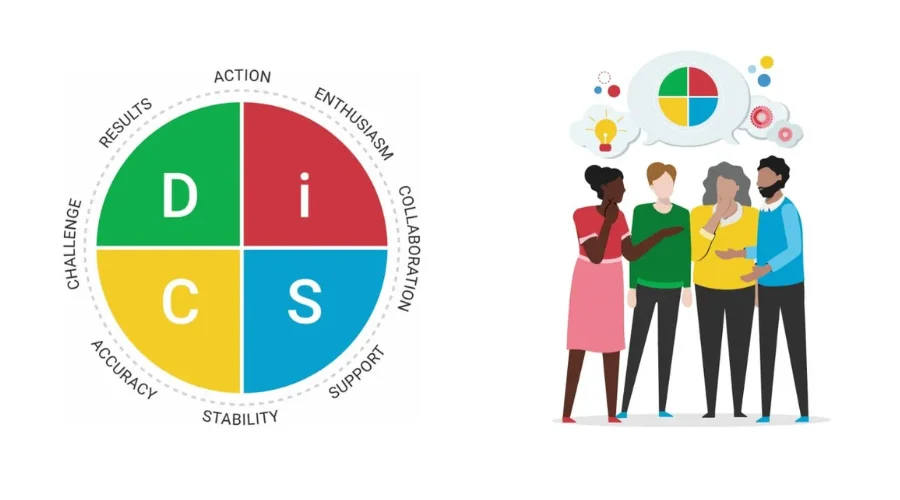
DISC is an insightful tool for understanding how group culture shapes team dynamics. By focusing on observable behaviors, DiSC allows teams to identify patterns of interaction, communication, and decision-making that influence their overall performance. This approach helps teams align their actions, work together more effectively, and address cultural challenges within the group.
Why DISC is effective for exploring group culture
DISC helps explore group culture by focusing on how people behave in teams rather than why they behave a certain way. This makes it easier to see the effects of group culture on performance. By applying the DiSC model, teams gain valuable insights into the group dynamics, leading to more productive collaboration.
- Helps identify patterns in team behaviors and attitudes.
- Improves understanding of how culture affects team dynamics.
- Fosters stronger collaboration by recognizing shared behaviors.
DISC focuses on observable behavior, not labels
DISC emphasizes observable behaviors instead of categorizing people into rigid labels. This is key to understanding group culture, as it allows team members to assess how their actions and reactions contribute to the team without being restricted by fixed definitions.
- Focuses on actionable behaviors rather than personality labels.
- Promotes a growth-oriented team environment.
- Encourages adaptability and cooperation across diverse team members.
Group culture vs individual DiSC styles
While individual DISC styles reflect personal preferences, group culture is influenced by the collective behaviors of the team. DiSC helps teams understand how the mix of different styles shapes the group's culture, revealing both strengths and areas for improvement.
- Group culture is shaped by the combination of individual DiSC styles.
- DiSC highlights strengths and challenges in team dynamics.
- Teams can leverage differences to improve overall performance.
Understanding what is group culture through DiSC helps teams unlock their potential by focusing on how collective behaviors influence collaboration and success. By using the DiSC model, teams can foster better communication, enhance teamwork, and create a healthier working environment.
The Four DISC Group Culture Types Explained
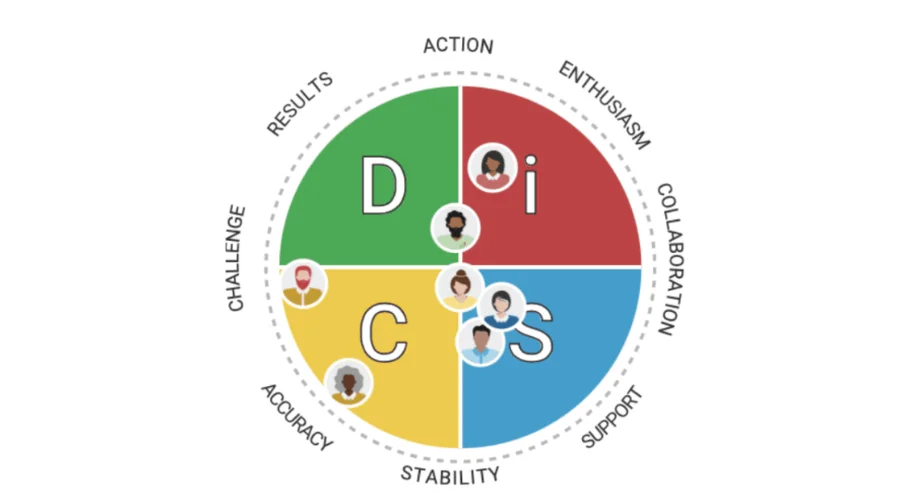
The DISC model outlines four distinct group cultures, each driven by different priorities, behaviors, and approaches to teamwork. These styles - D, I, S, and C - influence how a group functions, communicates, and addresses challenges. Understanding what is group culture and each of these styles can help foster a more effective and harmonious team dynamic.
D-Style Group Culture – “Get It Done”
The D-style group culture is focused on achieving results and driving action. Members of this group value efficiency and productivity, with an emphasis on taking charge and making decisions quickly. However, this fast-paced, results-oriented culture can sometimes lead to a high-pressure environment.
- Reward:
- Independence
- Decisiveness
- Directness
- Victory
- Results
- Criticize:
- Over-sensitivity
- Hesitation
- Over-analyzing
- Foot-dragging
- Weakness
- Strengths:
- Offers a dynamic and engaging environment
- Makes decisions without wasting time
- Drives toward results
- Provides opportunities to prove oneself
- Encourages innovation
- Gives straightforward feedback
- Drawbacks:
- Leads to tension and burnout
- Fails to analyze options
- Overwhelms those who are less aggressive
- Creates power struggles
- Takes too many risks
- Discourages teamwork in favor of competition
I-Style Group Culture – “Get Recognition”
I-style groups are marked by their energy and creativity, often seeking acknowledgment for their ideas and contributions. They are social and collaborative, focusing on generating excitement and bringing fresh ideas to the table. However, this high-energy culture can sometimes result in a lack of focus on practical tasks.
- Reward:
- Creativity
- Enthusiasm
- Optimism
- Collaboration
- Passion
- Criticize:
- Rulemaking
- Caution
- Over-analyzing
- Introversion
- Insensitive comments or actions
- Strengths:
- Fosters creativity through high energy
- Provides a fun and optimistic atmosphere
- Encourages collective brainstorming
- Promotes frequent informal communication
- Cultivates self-starters
- Offers spontaneous recognition of good work
- Drawbacks:
- Changes direction frequently
- Avoids taking care of repetitive or routine tasks
- Glosses over potential risks
- Holds too many meetings
- Spends too much time socializing
- Lacks clear guidelines
S-Style Group Culture – “Get Along”
S-style groups are driven by cooperation and maintaining harmony. They create a friendly and stable environment where teamwork is a top priority. However, their tendency to avoid confrontation and make decisions that ensure everyone feels comfortable can sometimes lead to missed opportunities or indecisiveness.
- Reward:
- Cooperation
- Loyalty
- Humility
- Thoughtfulness
- Team focus
- Criticize:
- Aggressiveness
- Pushiness
- Disruptive behavior
- People who don't conform
- Sudden change
- Strengths:
- Commits to getting the job done right
- Provides a relaxed atmosphere
- Works toward reliable results
- Promotes feelings of comfort and security
- Encourages a strong sense of duty
- Fosters teamwork and polite behavior
- Drawbacks:
- Fails to challenge ideas
- Lacks a competitive edge
- Avoids tough decisions
- Inhibits change and stifles innovation
- Avoids giving even constructive criticism
- Struggles with indecisiveness
C-Style Group Culture – “Get It Right”
C-style groups focus on accuracy, high standards, and precision. Members of this group are highly analytical and enjoy a structured, methodical approach to problem-solving. While this group culture can lead to high-quality work, it can also stifle creativity and create a sense of detachment from the team.
- Reward:
- Accuracy
- Completeness
- Attention to detail
- On-time performance
- Being dependable
- Criticize:
- Mistakes
- Illogical behavior
- Lateness
- Spotty research
- Drama
- Strengths:
- Calculates risks thoroughly
- Delivers exceptional quality control
- Makes decisions logically
- Ensures accuracy
- Clarifies policies and expectations
- Respects people's rights
- Drawbacks:
- Over-analyzes
- Misses opportunities due to caution
- Stifles informal communication
- Fails to foster a strong sense of community
- Feels cold or critical to others
- Closes itself off to outsiders
By understanding what is group culture through these four DISC group cultures, teams can leverage their strengths and address potential drawbacks to create a more cohesive and effective working environment.
How Teams Can Improve Group Culture Using DISC
Using the DISC model, teams can gain valuable insights into their group culture and enhance their performance by understanding individual and collective behaviors. By mapping group culture, identifying gaps, and adjusting behaviors, teams can create a more cohesive, productive, and collaborative environment. Knowing what is group culture is crucial in identifying how it affects team dynamics and how it can be improved using the DISC model.
Mapping group culture using DISC test
The DISC test is a powerful tool for mapping group culture by assessing how individuals behave and interact within a team. This test categorizes people into four personality types, each representing different approaches to work and collaboration. By taking the DISC test, teams can identify their dominant group culture, allowing them to better understand communication styles, priorities, and motivations.
- The D-style emphasizes results and efficiency.
- The I-style focuses on creativity and relationships.
- The S-style values harmony and cooperation.
- The C-style highlights accuracy and quality.
Mapping group culture through the DISC test helps teams recognize their strengths, weaknesses, and potential areas for improvement, leading to more informed decision-making and smoother collaboration.
Identifying gaps between current and ideal culture
Once a team has mapped its group culture using DISC, the next step is to identify any gaps between its current culture and the ideal culture. Analyzing the differences helps teams understand where they need to make changes.
For example, if a team values cooperation but struggles with decision-making, the team might identify a gap in assertiveness or clarity of goals. By acknowledging these gaps, teams can work on aligning their behaviors and mindset with the culture they want to foster.
- Identify cultural disconnects that hinder progress.
- Understand the team’s priorities and whether they align with the desired culture.
- Determine which DISC style behaviors need to be adjusted for better cohesion.
Recognizing these gaps creates an opportunity to strategically enhance team dynamics, ensuring a more harmonious and efficient work environment.
Using DISC insights to adjust behaviors without changing personalities
One of the most powerful aspects of the DISC model is that it helps teams adjust behaviors without changing their core personalities. By gaining insight into each team member’s DISC profile, teams can learn how to adapt their actions and communication to better fit the group culture while staying true to their unique traits.
For instance, a D-style leader may need to practice being more patient and inclusive, while an I-style team member could focus on improving focus and reducing distractions.
- Adjust communication: Speak the language of different DISC styles.
- Enhance collaboration: Adapt decision-making and problem-solving approaches.
- Foster inclusivity: Ensure each style feels valued.
By making these adjustments, teams can strengthen their culture and performance while embracing diversity in personality.
Conclusion
In conclusion, understanding what is group culture is essential for fostering a positive, productive work environment. When teams align their values, behaviors, and communication styles, they create stronger connections, drive better performance, and achieve greater success. By exploring and adjusting group culture with tools like DISC, teams can improve collaboration and navigate challenges more effectively. Take the time to assess your team’s culture, and watch as it transforms the way you work together.
FAQs
How is group culture different from team personality?
Group culture refers to the shared values, behaviors, and norms within a team, while team personality encompasses the collective traits of its members. Group culture shapes how the team interacts, whereas team personality is more about individual tendencies.
Can group culture be changed?
Yes, group culture can be changed with intentional effort. By identifying gaps and using tools like DISC, teams can adjust behaviors, communication styles, and values to align with their desired culture.
How long does it take to change a group culture?
Changing group culture takes time and consistency. It may take several months to a year, depending on the team’s commitment, communication, and leadership involvement.
Is DISC suitable for measuring group culture?
Yes, DISC is an effective tool for measuring group culture. It helps teams understand their behavioral styles and how they influence the team dynamics, making it easier to identify areas for improvement.


Don't Let Your Potential Stay Hidden!
Take the DISC test today and discover your unique 'YOU', with deep insights into your true personality and potential.
 Understand yourself
 Choose the right career
 Suggest effective communication
 Reduce negative emotions
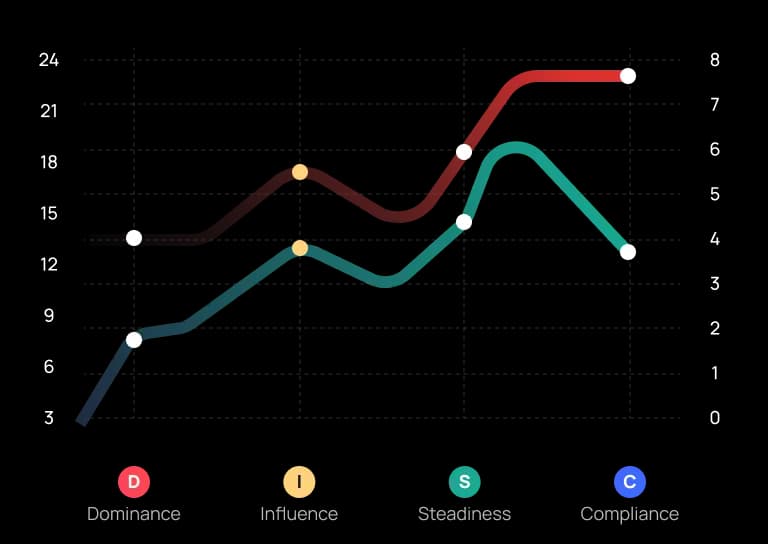
Represents your instinctive behaviors and desires.
Shows the behavioral tendencies you think you should exhibit in specific situations.
Related articles
You may also be interested in
 DISCSep 28, 2026
How to Identify Your Strengths and Weaknesses at Work
Understand your strengths and weaknesses at work by reviewing your skills, past achievements, etc. Improve and align your strengths with career goals.
 DISCMay 29, 2026
DISC Profile Activities for Team Building, Communication, & Workplace
Discover how DISC profile activities enhance team collaboration and communication. Apply practical exercises to build self-awareness and apply at work.
 DISCMay 29, 2026
DISC Assessment for Hiring: How to Use DISC to Hire Better Candidates
Learn how to use DISC assessment for hiring responsibly. Discover how DISC helps evaluate work style, team fit, communication, onboarding, and hiring decisions.
