


Table of content
What Are the Dynamics of a Team? Understanding How Teams Really Work
Discover what are the dynamics of a team and how they impact team performance. Learn how communication, roles & personality differences boost collaboration.

Understanding what are the dynamics of a team is crucial for unlocking collaboration and driving success. Team dynamics shape how members interact, communicate, and work towards common goals, directly influencing productivity and performance. In this article, we dive into the core factors that impact team dynamics, including effective communication, leadership, and the role of personality differences. Discover practical strategies to improve teamwork, resolve conflicts, and create a thriving environment that supports your team’s growth and success.
What Are The Dynamics of A Team?
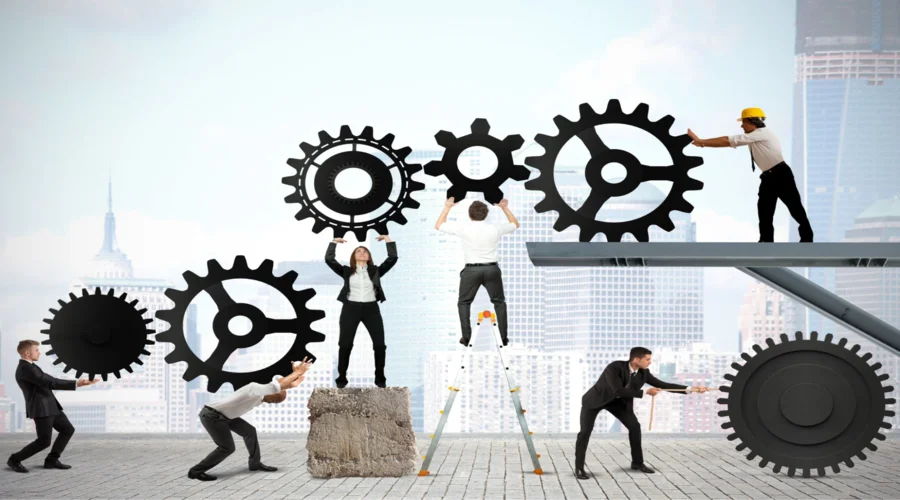
Team dynamics refer to the way team members interact, communicate, and work together. It involves how personalities, work styles, and behaviors affect a team's performance. Strong team dynamics create a positive environment where members collaborate efficiently to achieve common goals.
The definition of team dynamics includes the various factors that shape how people work together in a group. When team dynamics are positive, communication flows easily, trust is built, and team members support each other. Healthy team dynamics in the workplace lead to higher productivity, better cooperation, and a greater sense of shared responsibility.
Team dynamics vs. group dynamics
Although team dynamics and group dynamics are often used interchangeably, they are not exactly the same:
- Team Dynamics: A team has a clear goal, and each member has a defined role. Good team dynamics mean that everyone works together towards that goal, supporting one another and holding each other accountable.
- Group Dynamics: A group may consist of people who interact but don't have a shared objective. Groups are less structured and more informal, with each member acting independently.
Understanding the difference between these two helps build more effective and focused teams.
Why team dynamics matter?
The dynamics of teamwork are crucial for a team's success. Here's why good team dynamics matter:
- Alignment: When team members understand their roles and the team's goals, everything runs more smoothly. This reduces confusion and helps each person stay focused on the bigger picture.
- Transparency: Open communication is key. In teams with strong dynamics, mistakes are acknowledged, and problems are solved with honesty, which builds trust and eliminates misunderstandings.
- Productivity: With strong team dynamics, tasks are completed quickly and efficiently. Each member knows their strengths, and collaboration is seamless, making it easier to meet deadlines and objectives.
- Employee Retention: Positive team dynamics in the workplace make employees feel respected and valued. When people enjoy their work environment, they are more likely to stay, reducing turnover.
- Accountability: In teams with good dynamics, members hold themselves and each other accountable. This focus on getting things done - rather than blaming - is essential for maintaining trust and achieving goals.
- Optimistic Mindset: Healthy team dynamics create a positive atmosphere. When challenges arise, team members support one another and turn problems into opportunities, rather than letting setbacks discourage them.
Key Elements That Shape Team Dynamics
Understanding what are the dynamics of a team is crucial for improving how a team functions. If your team struggles with communication, trust, or conflicts, it can be difficult to reach its goals. Addressing the key elements of team dynamics can help improve performance and collaboration. Here's a breakdown of the factors that enhance team dynamics.

Effective communication
Communication is the backbone of any team. Open communication goes beyond simply being available. Every team member needs to listen actively, share feedback, and feel comfortable expressing their ideas.
When communication is clear and open, trust increases, conflicts reduce, and innovation grows. Teams with strong communication styles are more likely to solve problems efficiently.
Clearly roles definition
Clarifying each team member's role is crucial for fostering positive team dynamics. When responsibilities are well defined, confusion is minimized, and tasks are completed more efficiently.
Clearly defined roles leverage each individual’s strengths, contributing to smoother teamwork. This often involves a behavioural assessment, ensuring tasks are suited to team members' skills and boosting both confidence and productivity.
Aligned goals
One of the most powerful aspects of team dynamics is when team members work toward the same goal. Having a unified objective ensures that collaboration is smoother and success is more likely. Establishing a clear mission and defining goals helps the team stay focused. Additionally, the compatibility of personality types within the team plays a significant role, as diverse perspectives contribute to creative problem-solving.
Strong leadership
Leadership plays a key role in shaping team dynamics. Great leaders provide direction and create an environment where collaboration can thrive. Effective leadership involves recognizing each member's strengths, offering constructive feedback, and making everyone feel valued.
The leadership styles adopted by a team leader can greatly influence how well the team handles challenges and performs as a unit. Leaders who show empathy and accountability create a positive and supportive atmosphere.
Team building activities
Personal connections between team members are as important as how they work together. Regular team-building activities, whether problem-solving exercises, virtual games, or social events, help build strong bonds. These activities reduce stress, enhance engagement, and improve communication. The result is a tightly-knit, high-performing team that works efficiently together.
Constructive conflict resolution
Conflicts are part of any team, but how they are handled makes all the difference. Teams with positive team dynamics can manage conflicts constructively. Encouraging open discussions, finding solutions, and focusing on compromise rather than blame helps resolve disputes.
A respectful and feedback-friendly environment ensures that conflicts don’t escalate, but instead build resilience within the team.
Consistent feedback
Feedback is essential for growth. Teams that establish a culture of regular feedback identify problems early and make necessary adjustments. Constructive criticism helps team members improve, while positive feedback reinforces what is working well. This cycle of feedback leads to continuous growth and ensures that the team stays on track.
Organizational culture
The organizational culture plays a pivotal role in shaping team dynamics. A culture that promotes transparency, collaboration, and recognition contributes directly to the success of team dynamics.
Conversely, a toxic culture leads to frustration, disengagement, and high turnover, all of which hinder team success. Organizations that create and maintain a positive environment foster effective and successful teams.
Signs of Healthy vs. Poor Team Dynamics
Recognizing the difference between healthy and poor team dynamics is crucial for maintaining a productive team. Understanding what are the dynamics of a team allows leaders to spot issues early and ensure effective collaboration. Positive team dynamics foster clear communication, trust, and shared goals, while poor dynamics can cause confusion, disengagement, and inefficiency. Identifying these signs helps teams stay aligned and focused on their objectives.
Indicators of a healthy, high-performing team
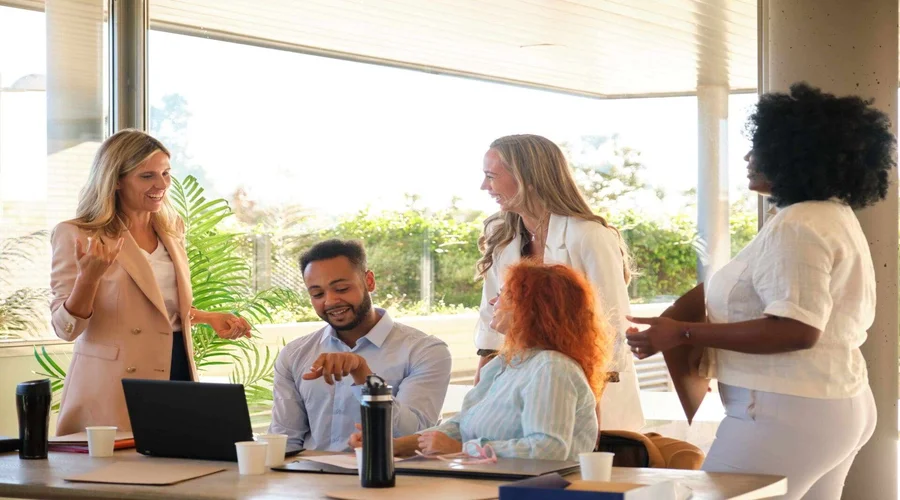
A high-performing team exhibits clear communication, trust, and strong collaboration. Here are some signs that show your team is on the right track:
- Open communication: Team members feel comfortable sharing ideas, feedback, and concerns.
- Defined roles and responsibilities: Everyone knows what their role is and how it contributes to team goals.
- Engagement: Team members actively participate and are committed to achieving common goals.
- Trust and respect: There is mutual trust among members, which promotes a positive working environment.
- Shared goals: Everyone is aligned with the team’s objectives, ensuring that everyone works towards the same results.
- Productive conflict resolution: Disagreements are addressed constructively, with a focus on solutions rather than blame.
These behaviors are signs of a healthy, high-performing team where everyone is working in sync toward shared objectives.
Warning signs of dysfunctional dynamics
When team dynamics start to decline, the effects can be subtle at first but can become more serious over time. Here are some warning signs that indicate things might not be going well:
- Feedback avoidance: Team members stop sharing feedback, which prevents growth and improvement.
- Unclear roles: Responsibilities are not well-defined, confusing, and missed tasks.
- Disengagement: Members start to withdraw, missing meetings or showing a lack of initiative.
- Tension and cliques: Certain team members dominate, and some people are excluded, which can harm collaboration.
- Inconsistent follow-through: Missed deadlines and incomplete tasks are signs of poor accountability and a breakdown in team dynamics.
- Negative communication: Unproductive or guarded communication leads to misunderstandings and stifles collaboration.
Addressing these issues early can help restore the team’s cohesion and performance.
Real-World Examples of Team Dynamics in Action
Here are some real-world examples of how what are the dynamics of a team can shape success in different environments, highlighting the impact of the workplace and the importance of effective resolution."
Creative collaboration at Pixar
At Pixar, team dynamics are key to fostering creativity. The team brings together people with diverse backgrounds, allowing them to profile a person based on their unique skills and perspectives. This approach encourages fresh ideas and innovation, which is why Pixar continues to create successful films.
- The team thrives on understanding and valuing each member's workplace personality.
- Diverse perspectives lead to a more dynamic and creative process.
The US “Dream Team” and Unified high-performance
The 1992 US men’s basketball team, also known as the "Dream Team," shows the importance of team dynamics in high-performance settings. Even with superstars like Michael Jordan and Larry Bird, their success came from focusing on the collective rather than individual egos.
- They prioritized conflict resolution and open communication.
- The team’s unity and trust were the driving forces behind their gold medal victory.
Emergency room teams under pressure
In an emergency room (ER), team dynamics are tested in high-pressure situations where every second counts. ER teams must quickly make decisions, clearly communicate, and trust one another to save lives.
- Clear communication is critical for conflict resolution.
- Every team member knows their role and performs it under pressure.
In conclusion, what are the dynamics of a team involve understanding the internal forces that influence how individuals collaborate. From Pixar’s creative team to the Dream Team’s success and ER teams under pressure, managing team dynamics is key to high performance. By recognizing each member’s workplace and ensuring effective resolution, teams can achieve their goals and perform at their best.
How to Improve Team Dynamics
Improving team dynamics is key to fostering collaboration and enhancing performance. Understanding what are the dynamics of a team is key to identifying the strategies that will work best for your team. Here are a few methods to strengthen the way your team interacts and communicates.

Promote open and transparent communication
One of the most important aspects of improving team dynamics is fostering open communication. When team members feel free to share their thoughts and ideas openly, it enhances trust and transparency. Regular check-ins and clear communication help prevent misunderstandings and ensure that everyone is on the same page.
- Encourage regular team meetings where everyone can voice their opinions.
- Create an environment where feedback is welcomed and acted upon.
Establish clear roles and expectations
To improve team dynamics, every team member must clearly understand their role and responsibilities. This prevents confusion and promotes a sense of ownership in the team's success. This is also where a personality hire can make a big difference, as hiring individuals who align with the team’s needs will enhance the overall dynamic.
- Profile a person based on their strengths and how they contribute to the team.
- Define each role clearly, ensuring there’s no overlap or confusion about responsibilities.
Build trust through consistency and respect
Trust is the foundation of successful team dynamics. Teams that trust each other are more likely to collaborate effectively, overcome challenges, and achieve shared goals.
- Consistency in actions and respect for each other’s opinions are key to building trust.
- Fostering a culture of mutual respect ensures the team works better together.
By applying these strategies, you can improve team dynamics and create a more positive, productive work environment. Whether working remotely, in a hybrid model, or in person, strengthening team dynamics will make your team more resilient, collaborative, and successful.
How Personality Differences Influence Team Dynamics
Personality differences play a big role in what are the dynamics of a team. They shape how team members communicate, collaborate, and solve problems together. Understanding these differences can lead to better teamwork and improved overall performance. Here’s how personality differences impact your team and ways to use this knowledge to build a stronger, more effective team.
Why behavioral styles affect collaboration?
Behavioral styles influence team dynamics because they affect how team members approach tasks and interact with one another. People with different styles may solve problems in different ways, which can lead to both positive and negative outcomes.
- Some team members may prefer detailed planning, while others might work better with flexibility.
- Different approaches can create misunderstandings, so recognizing these styles helps teams align better and work more efficiently.
By understanding these differences, teams can use their diversity to their advantage, ensuring that everyone’s strengths are utilized in the right areas.
The role of self-awareness in team interaction
Self-awareness is a key factor in improving team dynamics. When team members understand their own personalities and how they behave, they can adjust their actions to communicate and collaborate more effectively. A self-aware individual is more likely to notice when their actions may cause tension and will take steps to resolve it.
- Self-awareness helps team members adapt their communication styles to others.
- It reduces the chance of miscommunication and allows for smoother interactions.
By promoting self-awareness within a team, you encourage better collaboration and reduce the risk of unnecessary conflict.
Using tools like DISC to understand working styles
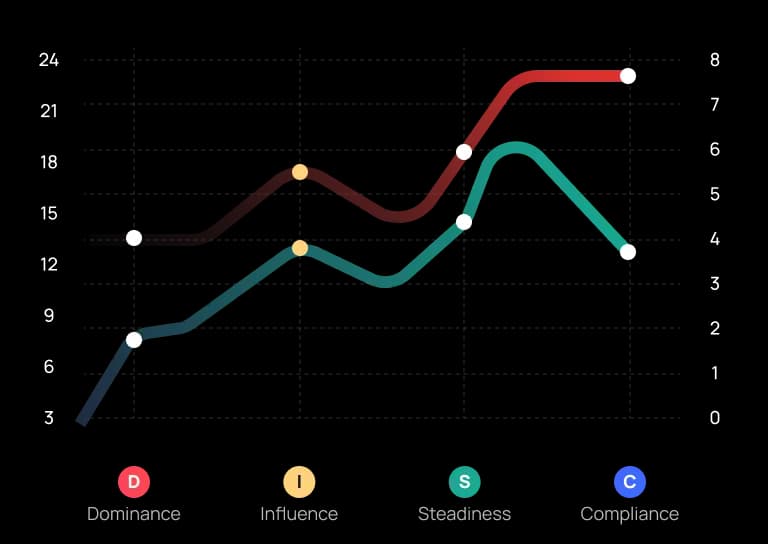
Tools like the DISC assessment are powerful for improving team dynamics. DISC helps teams understand their working styles by categorizing personalities into four types: Dominance, Influence, Steadiness, and Conscientiousness.
- DISC allows teams to recognize their natural tendencies, making it easier to assign tasks that align with each person’s strengths.
- It helps improve communication by teaching team members how to interact based on their individual preferences.
Using DISC or similar tools helps teams create a more harmonious environment where everyone can contribute in a way that fits their strengths.
By understanding how personality differences affect team dynamics, you can build a more cohesive team. This understanding helps everyone work better together, fostering collaboration and improving performance.
Conclusion
Mastering what are the dynamics of a team is the key to building a high-performing, collaborative environment. By understanding how personalities, roles, and communication styles impact your team, you can foster stronger relationships and drive better results. Take the time to assess and improve your team’s dynamics, and you’ll unlock a more cohesive and productive workforce. Start applying these insights today and watch your team thrive as they work together towards success.
FAQs
Can team dynamics change over time?
Yes, team dynamics can change as team members evolve, new members join, or external factors like goals or projects shift. Over time, teams may need to adjust their approach to maintain productivity and collaboration.
What causes poor team dynamics?
Poor team dynamics can stem from unclear roles, lack of communication, conflicting personalities, or unresolved conflicts. When team members don’t understand or respect each other’s differences, it can hinder collaboration and create tension.
How can leaders improve team dynamics quickly?
Leaders can improve team dynamics by encouraging open communication, clarifying roles, and promoting a culture of respect and feedback. Addressing issues early and organizing team-building activities can also help boost collaboration.
Do personality tools like DISC help with team dynamics?
Yes, tools like DISC are valuable in improving team dynamics. They help team members understand their working styles and how to communicate more effectively, fostering better collaboration and reducing conflicts.


Don't Let Your Potential Stay Hidden!
Take the DISC test today and discover your unique 'YOU', with deep insights into your true personality and potential.
 Understand yourself
 Choose the right career
 Suggest effective communication
 Reduce negative emotions
Represents your instinctive behaviors and desires.
Shows the behavioral tendencies you think you should exhibit in specific situations.
Related articles
You may also be interested in
 Self ExplorationSep 28, 2026
What Is Self-Awareness and How Can You Develop It?
Discover what self-awareness means, how it shapes your thoughts and behavior, and practical ways to make better decisions and more.
 Self ExplorationSep 16, 2026
Introvert vs Extrovert: Which One Are You?
Are you an introvert, extrovert, or ambivert? See how energy, behavior, and environment shape your personality style, with traits and subtypes.
 Self ExplorationDec 16, 2025
100+ Team Building Questions to Build Trust & Collaboration at Work
Explore effective team building questions to boost connection, trust, and collaboration in your team. Engage everyone and strengthen your team's dynamics today!
