


Table of content
10+ Emotional Intelligence Activities for Teams & Leaders
Try practical emotional intelligence activities that build self-awareness, empathy, emotional regulation, communication, and team resilience.
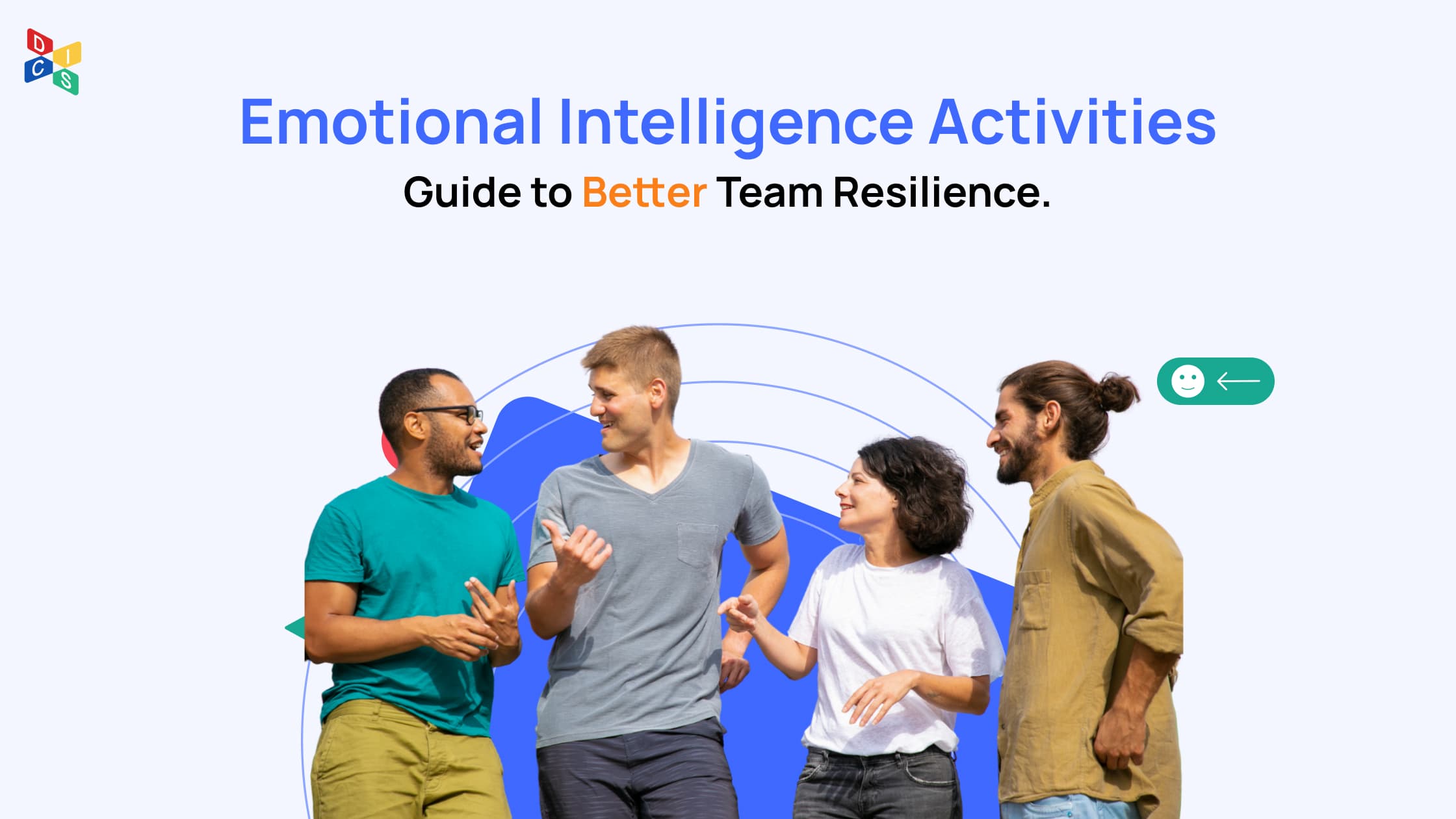
Raw technical skill only carries any team so far without intentional emotional intelligence activities.
Real team strength and genuine leadership always grow out of focused emotional intelligence habits. Most groups skip that intentional effort (I dodged it myself early on), but sheer competence cannot smooth over daily interpersonal friction.
Steering teams through structured drills helps them build dependable self-awareness over time, connecting emotional regulation across individual and group levels to healthy team dynamics.

Put these focused routines to work so people build real empathy during normal workday moments. Explore our platform when preparing to run this with your team; tackle each exercise together, confront the awkward tension head-on, and develop shared resilience on the job.
Emotional intelligence activities for self-awareness and regulation
Daniel Goleman laid out five core parts of emotional intelligence in his 1995 book, Emotional Intelligence: Why It Can Matter More Than IQ. He showed that basic human habits count just as much as raw intellect.
- Self-awareness: Knowing your personal drives, strengths, weaknesses, and emotions in real time. People with strong self-awareness notice their internal state throughout the day, and they see how their mood affects everyone sitting around the table.
- Self-regulation: Managing disruptive feelings and staying steady when things go sideways. Leaders with this skill keep their composure during tense moments, handle high stress without blowing up, and adapt as facts change.
- Emotional awareness: Spotting your personal emotional triggers quickly and watching how your defensive reactions dictate how you treat other people.
Team leaders can set up low-stakes drills that copy stressful office crises without any real danger. I froze during tense confrontations for years, but seeing your own panic in a safe drill builds true composure. Pairing mystery simulations with a motivators assessment reveals key team drivers before you stop for an honest review and repeat the drill. Doing the reps changes how people react.
Emotional Intelligence Self-Assessment
Getting a clear baseline when you measure your team's EQ helps you see where everyone stands before starting live drills.
Emotional Intelligence Quiz
- Number of People: Any number of people.
- Time Needed: 15 minutes total.
- Intention: A straightforward self-reflective quiz to test your own emotional intelligence.
- Items Needed: Printed quizzes and pens.
- Instructions: Hand out the quiz sheets to everyone in the room. Give people 5 minutes to finish their answers privately. Once finished, allow 10 minutes for pairs or small tables to talk through their own strengths and pick out areas for practical improvement.

Leadership Behavior Evaluation Most managers honestly want to do well, but this exercise asks leaders to score 10 destructive habits from very seldom to very often. The inventory spotlights the exact patterns that break good teams.
- Treating people badly, such as not showing people they care, forgetting to say thank you, not respecting people, not making people feel valued;
- Living by the adage “Do as I say, not as I do,” and not setting good examples;
- Focusing on too many things at once;
- Pushing too hard on the task and forgetting the people;
- Not giving clear direction;
- Giving inconsistent direction;
- Not taking responsibility for failure;
- Focusing on the detail and forgetting to tell the “whys” or the big picture;
- Showing little or no personal commitment to the vision;
- Allowing people who aren’t performing the job to remain.
Running high scores across these habits signals trouble with everyday leadership EQ. Choose your three worst recurring slip-ups right now, and build a straightforward daily plan to drop them for good.
Self-assessment quizzes do not give you cold objective truth. People misjudge their own behavior all the time. From what I've seen, a quiz only captures how you see yourself this morning, which explains why formal validity scores stay low across research studies. Chasing higher test scores on paper is a distraction. Use the results to challenge clean theories and spot real habits you can change this week.
Temperament Analysis
Natural temperament comes from instincts shaped by four main influences: Genetic Inheritance, Physical Attributes, Life Experiences, and Environmental Conditions. I ignored my own background for a long time, but spotting those roots explains your gut reactions. Try combining this self-check with DISC profile activities when facilitating EQ activities for adults.
Work through this questionnaire in four clear steps:
- Describe your temperament with three adjectives. Choose the ones that describe you best.
- Suggest three adjectives that other people use to describe your temperament.
- Go through each of the adjectives identified in the above two questions and see if each one is because of (or how much each one is driven by) Genetic Inheritance, Physical Attributes, Life Experiences, or Environmental Conditions.
- How does each of the temperamental factors affect you on a personal level? How does each of the temperamental factors affect you on a leadership role level?
- Which of these factors do you want to change and why? Think about each of the questions in detail and try discussing with a friend to maximize the learning opportunity.
Somatic Stress Tracking
Your body signals rising stress long before your conscious mind figures it out. Physical signals provide immediate indicators of rising tension before logical awareness registers the shift. Check yourself from head to toe. Scan physical landmarks like a jaw clench, shoulder elevation, stomach tightness, or facial flushing. As tension builds, see where your body holds it: Is your jaw tight? Is your jaw clenched? Are your shoulders creeping toward your ears? Is your stomach tied up? Take three slow, deep breaths right now. Pay attention to what softens in your muscles.

The body keeps a running tab of our emotional experience, often before our brains catch up.
Catching physical cues keeps your nervous system steady so knee-jerk reactions do not derail you during a confrontation. Somatic practice treats strong feelings as concrete bodily events. I used to shrug off physical stress symptoms, but tuning into those signals saves you from messy arguments. Treat what you feel as plain data instead of personal weakness. If your face turns very, very warm in a heated meeting, notice it early and stop before replying. That quick physical check breaks the reactive chain.
Emotional Triggers Identification
Workshop Trigger Mapping
- Number of People: 6 or more people.
- Time Needed: 30 minutes total.
- Intention: Identify personal emotional triggers so you can improve everyday self-regulation.
- Items Needed: Paper and writing pens.
- Process: Ask people to think about moments that trigger strong emotions. Have them write these down and talk them through in pairs. Facilitate a group discussion about shared triggers and practical ways to handle immediate reactions.
Relational Pattern Tracking Close relationships show your deepest defensive habits faster than anything else. I pulled away whenever conversations turned rocky years ago. Map out one or two recurring moments where you go cold, push back defensively, or feel overlooked. Ask yourself where you first felt those exact sensations during earlier years with family or old friends.
Most automatic reactions took root in the families we grew up in. People repeat old childhood habits with colleagues and bosses every day. Treating people badly during workplace friction does not excuse bad behavior, but seeing where a trigger started gives you space to pick a smarter response.
The Fog Technique
Picture yourself acting like a cloud of fog. When people hurled stones at me in the past, my instinct was to throw them straight back. Let the stone pass right through you instead of launching an angry shot across the desk. This very, very basic move helps when harsh critics attack your work in open reviews. Accepting the factual piece of a mean comment disarms critics and keeps you calm.
Unfair criticism bites when you hear it. I used to fire back without thinking, but asking what you can take from it protects your judgment and saves your energy. Check your reactions with three simple filters: Does this need saying? Should this come from me? And does it need saying right now?
Ask a trusted teammate to throw tough criticisms your way so you can practice fogging under pressure:
- “You just don’t understand.”, Respond with: “Yes, I just don’t understand.”
- “You are lazy.”, Respond with: “Yes, I am lazy sometimes.”
- “You are always late.”, Respond with: “Yes, I was late.”
- “You don’t feel responsible.”, Respond with: “Yes, I just don’t take responsibility.”
Breathwork and Guided Mindfulness
Mindfulness Meditation Session
- Number of People: 4+ people minimum.
- Time Needed: 20 minutes total.
- Intention: Build self-awareness and practical emotional regulation through a guided, quiet mindfulness practice.
- Items Needed: A quiet room, chairs or meditation cushions, and a guided meditation script.
- Format: Lead participants through a quiet meditation sequence. Start with a plain explanation of what mindfulness is and why it helps working teams. Guide a focused 10-minute meditation on breathing and body sensations. Afterward, bring everyone together to talk about how the practice felt and how people can use simple mindfulness to handle difficult, stressful workdays.
Workplace Calming Exercises Short daily mindfulness pauses ground a busy office. Team stress falls fast when people get 5 minutes to settle their heads. In our groups, showing people basic breathing drills helps everyone step away from work anxiety and stick with hard projects. Offering access to a meditation app also restores focus before the next call. Carving out 5-10 minutes every day resets the whole office rhythm.
Sitting With Discomfort When sharp distress hits from grief, shame, loneliness, or fear, catch yourself before running toward an easy escape. Do not grab your phone, pour a drink, or rush to fix the problem right that second. Sit quietly with the discomfort for 5 minutes. Giving the feeling room instead of running away builds real emotional stamina over time. Most exhaustion comes from the heavy energy people waste dodging their feelings. The pain you fight stays trapped in your body, while the pain you face simply moves through.
Empathy and Perspective-Taking Exercises
Across everyday office life, empathy is a trainable habit you can practice, far beyond any fixed emotional trait. Training yourself to hold two viewpoints at once cuts down knee-jerk reactions. It protects working relationships and keeps everyday friction from turning personal.
To practice this perspective-taking together, our teams run realistic scenarios using Four-Quadrant Empathy Mapping. We look at a specific stakeholder across four angles at the same time. We note their spoken words, then figure out their hidden beliefs and unspoken assumptions. After that, we trace what they actually do and name the deeper feelings driving them. Putting these four parts together gives everyone an honest picture of someone else's reality. From there, the small groups share their findings with the room.

When friction flares up on the job, you have to steady yourself fast with Perspective Swap Inquiries. The second you hit an awkward misunderstanding, pause. Ask yourself what the other person is worried about and what they actually need from you. Think about how you would react in their shoes. Wrap up that quick pause by forming one clear, steady sentence to say out loud. Doing that breaks your snap judgments, cools down defensive walls, and gets everyone moving again.
Interpersonal Communication and Feedback Drills
Running emotional intelligence team building activities like communication workshops teaches pairs to swap snap problem-solving for patient listening. Most people listen just to pitch instant fixes. That reflex often leaves coworkers feeling unheard. Slowing down to catch emotional cues lets colleagues adjust how they talk to each other directly.
Pairs can reset this habit by running structured conversation drills together. During an active listening drill, Person A talks for 60 seconds about a work problem or an emotional experience. Person B stays quiet without interrupting, then answers in three steps only: “What I hear is…”, “It sounds like you feel…”, and “Did I get that right?” Ask one very, very clear clarifying question. The listener mirrors back both feelings and facts, the pair swaps roles to repeat the drill, and they wrap up with an appreciation line.
Teams take this groundwork further inside a structured communication lab using curated team building questions during rotating group discussions. Using the prompt “What makes group work fair?”, Person A speaks for 60 seconds, sticking strictly to one core point and one example. Person B recaps the point in one sentence and asks one curious question before both trade spots. For the final round, people practice disagreeing kindly by opening their take with “I see it differently because…” Everyone closes out the exercise by picking one phrase to reuse.
Conflict Resolution and Group Resilience Exercises
Teams get better at sorting out friction when people work through hard moments together ahead of time. We tell pairs to focus on sharing feelings constructively and practicing active listening. Role-playing helps team members explore different conflict resolution styles, allowing facilitators to switch roles, test scenarios, and finish with an open room discussion on how emotions played out. Recent burnout cases between peers, like those involving Shandra and Denzel, usually give direct material for these debriefs. Small groups run through their assigned emotional intelligence worksheets for 10 minutes.
When real-time friction flares up, like an argument during group tasks or a heated message thread, colleagues can turn to a post-conflict repair protocol. In a calm window, never in the middle of the fight, two people follow a brief script frame. Start with an honest reset request like, “I don’t like how that went. Can we reset?” The speaker takes ownership of their part and states very, very clearly what they intended. Next, ask how the exchange landed for the other person. Settle on a clear next step or boundary together. Both people then finish with an explicit commitment, like promising to pause before replying next time.
To keep up resilience over the long haul, peer coaching circles set up small, employee-led cohorts. These groups create a safe setting to talk through challenges and wins. Structured sharing builds empathy and mutual support while members receive helpful feedback. In group reflection sessions, staff share journaling notes to foster openness, aligning individual values to build a resilient group culture. Meanwhile, skill-exchange workshops let teammates teach strong skills to help everyone grow. Taken together, these habits build a path from rehearsal to repair and steady peer upkeep.
Facilitator strategies for EQ training activities
Behavioral Workplace Focus When running emotional intelligence activities for employees, exercises deliver far better results when you target visible behavior instead of lecturing on abstract models or Goleman's five components. By all means, reserve a short slot on the agenda to cover what theory teaches, but spend most of your energy building emotional intelligence as an active whole. You can use quick review check-ins to ask about specific components, provided group discussions remain anchored in observable actions. Tie every single exercise to actual workplace priorities. Learning how to run a structured workshop provides that scaffolding. It turns these drills into lasting habits that staff carry back to their desks.
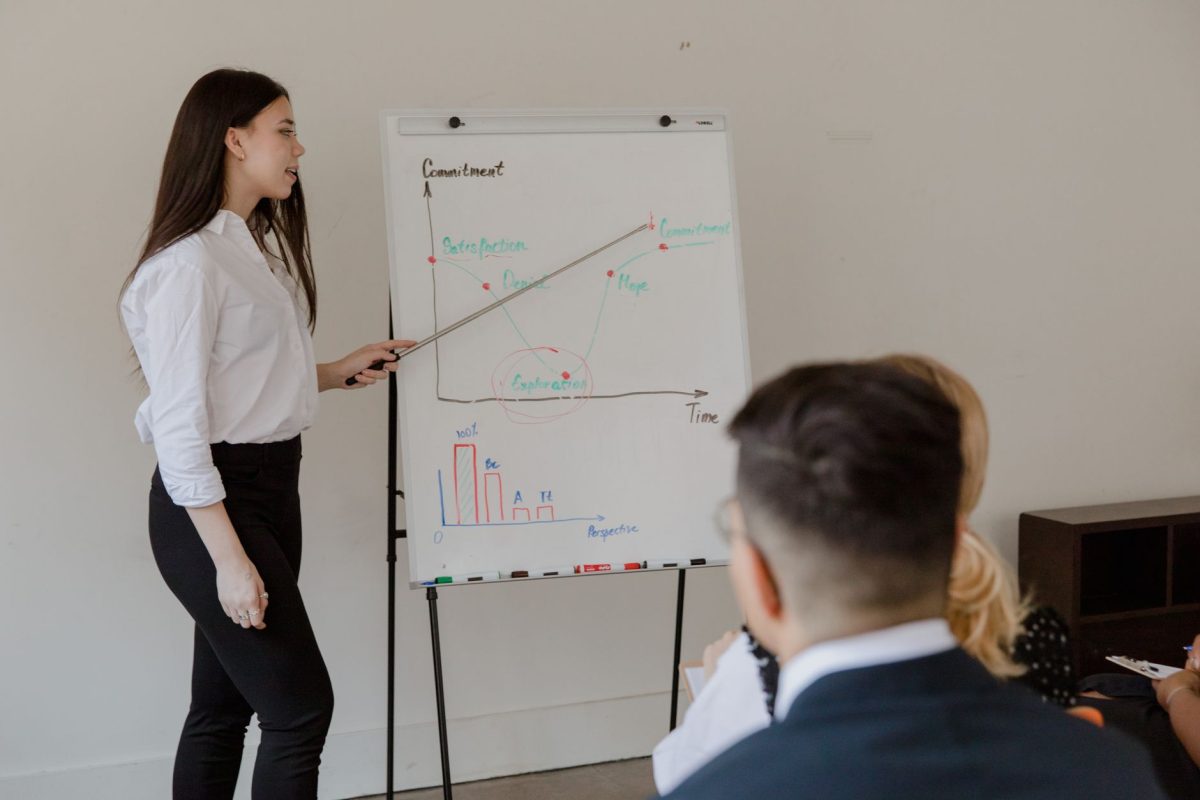
Graduated Activity Sequencing You build psychological safety by starting with low-risk exercises before introducing heavier material. Alternating brief check-ins with deep group projects keeps engagement strong.
Reflective Session Debriefing Always end each exercise with a dedicated debrief. I used to overcomplicate debriefings myself, but you only need one focal question: “What did we learn about ourselves and our team?” Guided review time lets people observe peers and unpack the experience together. That shared reflection strengthens personal self-awareness and self-regulation.
Tactile Visual Engagement Hands-on objects push reflection much deeper. Using visual tools like image cards or emotion wheels produces richer discoveries, making peer feedback feel far less personal and much simpler to digest.
Psychological Safety and Facilitator Vulnerability
Leader Vulnerability Modeling Leaders establish group tone by naming their own feelings, even for a brief moment, before asking others to open up. During our sessions, meeting an employee with empathy when they hit an obstacle defuses the immediate tension. That grounded response reinforces your standing as a caring leader while cementing trust across the whole team.
Voice and Norm Governance Every single person deserves a real voice, but broad participation only works when you enforce clear ground rules. Once people trust that reflection is genuinely welcome, they speak their minds in a safe, supportive setting.
Adaptations for Remote and Hybrid Workshops
Facilitating online calls takes deliberate adjustments so colleagues stay closely connected across physical distance. Customizing specific EQ activities for remote teams builds that exact same interpersonal awareness on screen:
- Use digital image cards or screen share for visual activities, or put emotional word lists onscreen to replace physical handouts.
- Open and close virtual meetings with a quick emotional check-in to help the team arrive together.
- Encourage cameras on for greater connection and to read non-verbal cues.
You don't build team emotional intelligence out of thin air; it takes steady, structured practice. When you give people low-risk drills, abstract ideas about awareness turn into everyday conversational habits they can actually lean on. Begin with small exercises, set clear ground rules, and model openness yourself before asking anyone to take a leap. Walking through a debrief lets the room unpack what happened and see how colleagues really work together. Stick to these emotional intelligence activities whether you're sitting around a table or staring at screens. Trust comes from that shared work.


Don't Let Your Potential Stay Hidden!
Take the DISC test today and discover your unique 'YOU', with deep insights into your true personality and potential.
 Understand yourself
 Choose the right career
 Suggest effective communication
 Reduce negative emotions
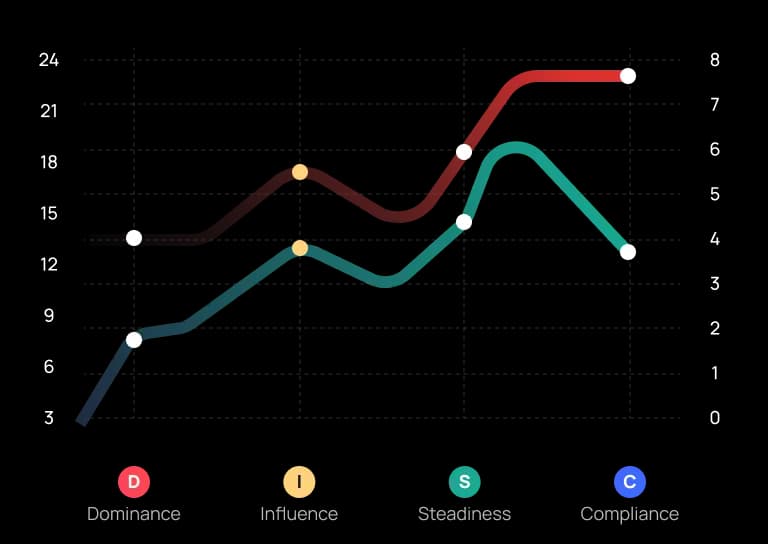
Represents your instinctive behaviors and desires.
Shows the behavioral tendencies you think you should exhibit in specific situations.
Related articles
You may also be interested in
 IQ, EQSep 16, 2026
How to Improve Emotional Intelligence: 9+ Practical Strategies
Learn how to improve emotional intelligence with practical strategies for self-awareness, self-regulation, empathy, communication, and better relationships.
 IQ, EQSep 16, 2026
Average IQ by Age: What's Normal at Every Age
IQ is pinned to 100 at every age because it ranks you against your peers, not raw ability. See the full average IQ by age chart and what your score means.
 IQ, EQSep 08, 2026
What Is Emotional Intelligence? The 5 Components Explained
What is emotional intelligence? Explore the definition, EQ vs IQ, behavioral signs, and practical ways to strengthen your emotional skills at work.
