


Table of content
How to Profile a Person: A Clear Step-by-Step Guide to Reading People
Learn how to profile a person step-by-step. Master practical techniques to read behavior, understand motives, and identify personality patterns accurately.
How to profile a person is a practical skill that helps you read behavior, understand motives, and identify clear personality patterns. By observing baseline habits, emotional cues, decision styles, and reactions under stress, you can build accurate behavioural insights without guessing. This guide walks you through a simple step-by-step process, highlights common mistakes, and shows how proven frameworks like DISC make profiling clearer and more reliable in real-life situations.
What Is Personality Profiling?
Personality profiling is a method used to understand how a person behaves in a specific situation. It does not measure intelligence or skill. Instead, it focuses on clear behaviour patterns. This approach is often used when learning how to profiling a person, especially when observing different communication styles at work.

Profiling helps leaders create a better work environment. When you understand how to profile a person, you gain insight into:
- How they learn
- What motivates them
- How they work with others
- Where they may need support
These insights also guide hiring, training, and role decisions. It becomes easier to make a simple behavioural assessment and understand how each team member contributes.
Profiling encourages people to reflect on their own strengths and weaknesses. It is not about judging traits. It helps teams work with less conflict and more clarity. Knowing how to profile a person improves cooperation and conflict resolution.
Profiling vs Personality Testing: Profiling and testing are not the same.
- Profiling looks at behaviour in real situations.
- Testing uses fixed questions and scores.
Profiling is more flexible and fits daily work better. It also helps answer questions like what is an example of profiling someone, which often involves observing real behaviour and matching it to known patterns.
Why People Use Personality Profiling
People use personality profiling because it gives them a simple way to understand how others think and act. For anyone searching for how to profiling a person, this process helps explain what is personality profiling and how it reveals key traits and behavior patterns. By knowing these patterns, people can improve daily communication, avoid confusion, and build healthier connections.
Many workplaces rely on personality profiling to support teamwork and productivity. Insights from workplace personality tools help leaders see each person’s strengths and blind spots. This makes it easier to match people with the right tasks and reduce tension in teams.
Profiling also supports conflict resolution and hiring decisions, especially when companies want to improve their personality hire process. Methods linked to what are profiling techniques guide users who want clear steps they can apply in real situations.
On a personal level, many people use profiling to understand themselves better. It helps them see how they react under stress and why they make certain choices. This awareness supports growth and better decision-making. For anyone who wants clearer communication, stronger teamwork, or self-improvement, how to profile a person offers a practical and useful path.
How to Profile a Person (Step-by-Step)
Below is a clear process that helps you read behavior and build a structured summary. Each step supports your ability to understand patterns and apply how to profiling a person with accuracy.
Step 1: Establish Baseline Behaviors
Begin by watching how a person usually speaks, moves, and reacts. These habits form their “normal state,” which helps you notice meaningful changes later.
- Observe everyday posture
- Note facial movements and natural expressions
- Pay attention to tone in regular conversations
This step works much like a motivators assessment, giving you a stable reference point before deeper analysis.
Step 2: Identify Behavioural Patterns
Watch for repeated actions or reactions. These patterns show preferences and emotional habits, helping you understand how the person handles boundaries and interaction. This supports how to profile a person and also relates to what are the 4 types of profiling, where behavior categories help you interpret tendencies.
Use bullet points for clarity:
- Look for habits during conversation, such as leaning in or stepping back.
- Notice gestures that repeat in similar situations.
- Track reactions to topics that trigger stress or comfort.
Step 3: Observe Decision-Making Style
How someone makes decisions reveals their thinking process. Some decide fast, others take time. Some rely on logic, others on emotion. This step improves your understanding of their values and helps you predict their choices.
Step 4: Note Reactions Under Stress or Pressure
Stress exposes natural traits. Watch how the person responds when they feel rushed, challenged, or uncomfortable. These moments show genuine behavior, not the version they display in calm situations. Understanding these reactions also supports conflict resolution and helps you respond with more empathy.
Here, bullet points enhance clarity:
- Do they withdraw or become more assertive?
- Do they change tone or body language?
- Do they avoid eye contact or become more tense?
Step 5: Map Observations to a Known Framework
After gathering enough data, connect your notes to a model such as DISC. Frameworks make it easier to organize what you see into clear categories. This step aligns with what are the 5 stages of performance profiling, where each layer adds more clarity. Use bullet points here to make the idea simple:
- Compare actions to DISC traits
- Match tone and body language
- Identify likely behavior drivers
This supports better communication and even applies to personality hire decisions.
Step 6: Build a Behavioural Profile Summary
Compile your observations into a concise overview that reflects the individual’s communication style, emotional tendencies, decision habits, and stress responses. This summary enhances clarity in how to profile a person by organizing insights into a structured format.
A well-formed profile provides a clear behavioral landscape and supports better interpersonal understanding, especially useful in contexts like personality hire, coaching, or team development.
Practical Techniques for Profiling People
These techniques help you read behavior with clarity and support how to profiling a person in everyday situations.

Reading Nonverbal Cues
When learning how to profile a person, begin with visible signals because posture and movement often reflect comfort, stress, or hesitation. These simple observations show what are profiling techniques in practice. Key cues include:
- An open posture often indicates a relaxed and comfortable mindset.
- Crossed arms or tense shoulders may suggest caution or emotional distance.
- A sudden shift in body movement can reveal rising discomfort or uncertainty.
Listening for Motivational Keywords
A key part of how to profiling a person is noticing repeated words because they reveal values, concerns, or personal motives. Understanding these patterns also clarifies what is profiling a person. This approach aligns with systems like the Enneagram, which highlight deeper internal drivers. Key cues include:
- A repeated focus on goals often reflects ambition or personal pressure.
- Frequent negative phrasing may indicate hidden worry or frustration.
Spotting Emotional Baselines
Profiling becomes easier when you understand someone’s usual emotional state because this baseline helps you identify meaningful changes. A clear baseline improves the accuracy of how to profile a person. Key cues include:
- A steady and calm tone often reflects emotional balance in normal settings.
- A sudden rise or drop in speaking energy may signal tension or resistance.
- A shift in facial reactions can point to discomfort or internal conflict.
Mirroring for Verification
Mirroring acts as a simple way to confirm your observations because it shows how someone reacts to subtle alignment. This response gives real-time clarity in profiling a person. Key cues include:
- A person who relaxes when you match their tone often feels safe in the interaction.
- A person who pulls back after light mirroring may be experiencing stress or distrust.
- A change in their expression during mirroring can help you assess comfort or unease.
Observing Contextual Behaviors
Context shapes behavior and affects tone, posture, and reactions. This step strengthens how to profiling a person by helping you separate natural habits from situational pressure. Key cues include:
- A person may become more formal in unfamiliar environments due to social expectations.
- A person may act more relaxed when surrounded by familiar faces because they feel secure.
- External stressors, such as noise or deadlines, can alter their usual responses.
Noticing Consistency Over Time
Profiling becomes reliable when you track behavior across different moments because patterns reveal stability. This long-term view supports how to profile a person with greater accuracy. Key cues include:
- A trait that appears in many situations often reflects a core part of their personality.
- A reaction that repeats under similar conditions may point to deep emotional triggers.
- A change that persists over time can signal a shift in mood or personal circumstances.
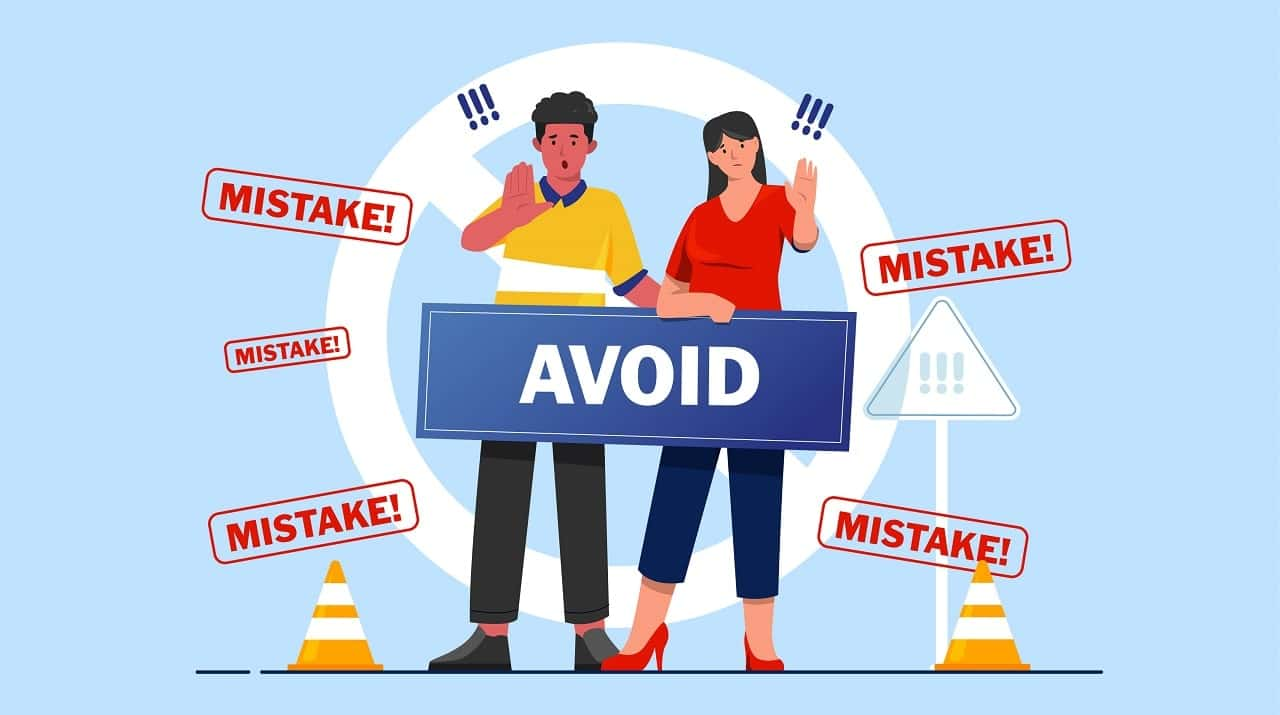
6 Common Mistakes in Ethical Profiling
Ethical awareness is essential in how to profiling a person. These common mistakes often lead to misleading conclusions and weaken the accuracy of your assessment.
Avoid Stereotyping or Labelling
Profiling becomes unreliable when you depend on stereotypes or attach quick labels to a person. These assumptions limit your view and prevent you from seeing real behavior. Ethical profiling requires neutral observation, not fixed categories.
Consider Cultural Differences
Culture affects tone, gestures, and emotional display. Misreading these cues can lead you to form incorrect conclusions. When you respect cultural norms, your interpretation becomes more accurate and aligned with ethical standards in how to profiling a person.
Validate Observations Over Time
A single reaction does not define someone. Profiling is clearer when you check behavior across different moments. Repeated patterns give more reliable insight and prevent mistakes caused by temporary stress or rare situations.
Profiling Is About Understanding, Not Judging
The goal of profiling is to understand intentions, emotions, or motives. When you judge too quickly, you lose the purpose of the process. A neutral and empathetic mindset encourages trust and improves accuracy.
Relying Too Much on One Type of Cue
Profiling becomes unbalanced when you depend only on body language, tone, or personality theories. People express themselves in many ways, so conclusions must come from a combination of cues. Using only one source increases the chance of error.
Drawing Conclusions Without Context
Behavior always exists within a context. Ignoring the environment, pressure, or situation can lead to false assumptions. Ethical profiling requires you to consider what is happening around the person before you interpret their actions.
Conclusion
Mastering how to profile a person gives you a clearer view of how people think, feel, and respond in real situations. When you apply the steps in this guide with patience and empathy, you gain stronger communication, smoother teamwork, and more confident decisions. Profiling is not about judging - it is about understanding others with accuracy and respect. If you're ready to go deeper, exploring frameworks like DISC test will take your profiling skills even further.
FAQs
What is the easiest way to profile a person?
The easiest way to profile someone is to observe their normal behavior and compare it with how they act in different situations. Focus on simple cues like tone, posture, and responses in calm settings. Over time, these patterns help you understand comfort, stress, or motivation without complex tools. This method keeps profiling clear, practical, and easy to apply in daily interactions.
How accurate is behavioural profiling?
Behavioural profiling can be fairly accurate when done over time and with attention to context. It is not perfect, but patterns often reveal emotional states and intentions. Accuracy increases when you avoid bias, confirm observations across different moments, and use more than one type of cue. When applied carefully, it offers helpful insight while still respecting the limits of human interpretation.
Do I need a personality test to profile someone?
A personality test is not required to profile someone, but it can add helpful structure if you want deeper insight. Basic profiling works through observation and comparison of consistent behavior. Tests simply offer another layer of information. If you choose to use one, it should support - not replace - your real-world understanding and should be interpreted with care rather than treated as a conclusion.
How long does it take to profile a person?
Profiling takes time because you need to observe someone across different situations. A light read may form within minutes, but a reliable profile often needs days or weeks. The timeline depends on how often you interact with the person and how consistent their behavior is. Patience improves accuracy by allowing you to see stable patterns instead of one-time reactions.


Don't Let Your Potential Stay Hidden!
Take the DISC test today and discover your unique 'YOU', with deep insights into your true personality and potential.
 Understand yourself
 Choose the right career
 Suggest effective communication
 Reduce negative emotions
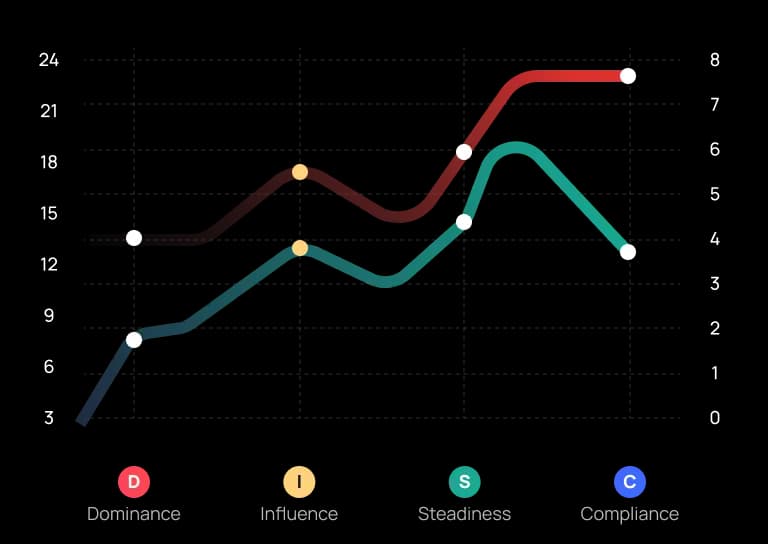
Represents your instinctive behaviors and desires.
Shows the behavioral tendencies you think you should exhibit in specific situations.
Related articles
You may also be interested in
 Self ExplorationDec 17, 2025
What Are the Dynamics of a Team? Understanding How Teams Really Work
Discover what are the dynamics of a team and how they impact team performance. Learn how communication, roles & personality differences boost collaboration.
 Self ExplorationDec 16, 2025
100+ Team Building Questions to Build Trust & Collaboration at Work
Explore effective team building questions to boost connection, trust, and collaboration in your team. Engage everyone and strengthen your team's dynamics today!
 Self ExplorationDec 02, 2025
Sensory vs Intuitive: A Complete Guide to How We Take In Information
Understand the core of sensory vs intuitive and why it influences every choice you make. Discover how each style boosts clarity, confidence, and connection.
