


Table of content
What Does Interpersonal Skills Mean? A Complete Guide to Essential People Skills
Learn what does interpersonal skills mean in simple terms. See why these people skills matter for communication, teamwork, and long-term career success.
Table of content
Wondering what does interpersonal skills mean? This simple guide explains the social abilities that help you speak clearly, work well with others, and build trust at work. You will learn key skills for 2025, why they matter, and how they support real career growth. If you want to improve your people skills and grow in any job, this article gives you clear steps to start.
What Are Interpersonal Skills?
When people ask what does interpersonal skills mean, they are looking for a simple definition. Interpersonal skills are the abilities you use to interact with others clearly and respectfully. These skills guide how you speak, listen, respond, and work with people in everyday situations.
They include the behaviors that help you build connections, understand feelings, and maintain positive relationships. Some interpersonal skills come naturally from your personality. Others develop over time as you learn from work, school, and social experiences.
In short, interpersonal skills refer to the set of social abilities that help you communicate well, cooperate with others, and function effectively in any group setting.

Why Are Interpersonal Skills Considered “Soft Skills”
Interpersonal abilities sit under the “soft skills” category because they focus on human behavior, not technical knowledge. They involve how you handle emotions, conversations, and group situations.
Soft skills often include:
- Clear communication
- Awareness of others
- The ability to adapt in different social settings
These qualities support every job and help you build stronger relationships.
How Interpersonal Skills Differ From Technical Skills
To understand what does interpersonal skills mean more clearly, compare them with technical skills. Technical skills rely on the use of specific tools or specialized training. Interpersonal skills are applicable everywhere because they enable you to work effectively with people.
Key differences include:
- Technical skills explain the tasks you can perform.
- Interpersonal skills reflect how you interact with people while completing those tasks.
Both are important, but strong interpersonal skills make it easier to collaborate, adapt, and thrive in any team or work environment.
Why Interpersonal Skills Matter for Career & Life Success
Understanding what does interpersonal skills mean helps you see why these skills matter at work and in daily life. They shape the way you talk, listen, and work with others. Employers want people who can do their tasks well and also connect with their team.
Here’s why interpersonal skills are so important:
- Better results in job interviews. Recruiters look for clear communication and positive behavior. These skills help you answer personality interview questions with confidence.
- Stronger performance at work. Even technical jobs need teamwork. You may write code alone, but you still share ideas and review work with others. This is a common interpersonal skills example in workplace settings.
- Helps in modern team environments. Many companies use agile methods. Teams meet often, exchange quick updates, and solve problems together. Knowing what are the interpersonal communication skills makes this easier.
- Shows both skill and character. Employers want people who complete tasks and get along with their team. Tools like a behavioural assessment help them see how well you fit the work environment.
In short, what interpersonal skills mean comes down to how well you work with people. These skills help you grow, communicate better, and succeed in both your job and your personal life.
Interpersonal Skills Examples: The Most Important Ones in 2025)
Understanding what does interpersonal skills mean becomes clearer when you look at the skills people use every day at work. These abilities shape how you connect, cooperate, and solve problems with others.
Communication
Communication is the clear exchange of ideas through words, writing, or visuals. Good communication helps teams avoid confusion and stay aligned. It works across different leadership styles and workplace personality types. Strong communication is a core part of interpersonal skills because it supports trust and smooth teamwork.
- Helps express ideas simply
- Reduces misunderstandings
- Supports better decisions

Emotional Intelligence (EQ)
Emotional intelligence is the ability to understand how people feel and why they react a certain way. It also includes recognizing your own emotions. This skill connects closely to what is the meaning of intrapersonal skills, since self-awareness affects how you interact with others.
EQ reflects what are the four core interpersonal qualities that many teams value: empathy, awareness, self-control, and connection.
Leadership & Influence
Leadership uses interpersonal strengths to guide others toward a shared goal. Influence is part of leadership because it helps people see the value of an idea and act on it. These skills show what interpersonal skills mean when you need to inspire action or manage different conflict resolution styles in a group.
- Motivates others
- Builds direction
- Improves cooperation
Teamwork
Teamwork is the ability to work well with others, share tasks, and rely on teammates when needed. It depends on communication and listening. This skill connects to what are the 4 types of interpersonal relationships often seen at work: coworker, manager, cross-functional, and client relationships. Each one offers an interpersonal behavior example of how people interact to reach a common goal.

Negotiation & Persuasion
Negotiation helps two sides find a fair outcome when they want different things. Persuasion supports this by helping others understand your ideas. These abilities show interpersonal skills when compromise and clear thinking matter. They are useful in roles that require problem-solving or training in personality skills.
Active Listening
Active listening means giving someone full attention, asking simple questions, and responding with clarity. It helps prevent confusion and shows respect for the speaker. This skill is a strong example of what does interpersonal skills mean in daily conversations.
Problem Solving
Problem-solving often requires teamwork. Different views help you find better answers. This process involves interpersonal skills when the situation is complex and needs both logic and cooperation.
- Encourages idea sharing
- Helps teams choose the best option
Why Understanding Your DISC Style Improves Your Interpersonal Skills
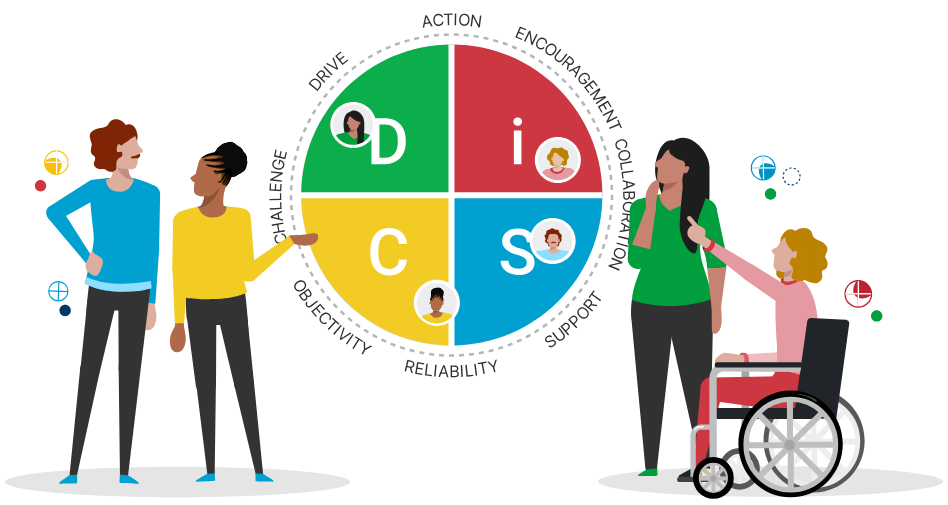
Knowing your DISC style gives you a clear view of how you act around others. It turns communication from guesswork into something you can understand and adjust in real situations.
DISC As A Behavioral Mirror
DiSC style reflects your natural tendencies in conversations, teamwork, and conflict. It shows patterns you may not notice, so you can improve them with purpose.
Identifying Communication Blind Spots
Each style carries strengths and limits. A DISC profile helps you spot the habits that cause miscommunication, such as:
- Pushing too hard
- Talking over details
- Avoiding tension
These insights make it easier to adjust early and stay connected.
Understanding How Others Perceive Your Style
Impact often matters more than intention. DISC helps you see how your tone, pace, and decisions may come across to different people, so you can build trust with less effort.
Predicting Communication Patterns
Every DISC style responds in its own way. Once you know the patterns, you can prepare for how people will react in meetings, feedback, or problem-solving. This reduces confusion and keeps teamwork smooth.
Tailoring Your Approach For Different Personalities
A strong communicator adapts. DISC teaches you how to shift your style so others feel understood:
- Be direct with D
- Stay upbeat with I
- Slow your pace for S
- Give clarity and facts for C
This flexibility strengthens your relationships and supports your growth in what does interpersonal skills mean in real-world situations.
How to Improve Interpersonal Skills Using the DISC Framework
Strengthening your people skills begins with understanding how you behave. If you want to know what does interpersonal skills mean, DISC gives you a simple way to improve how you communicate and connect with others.
1. Assess Your Current Behavior Style (Take A DISC Test)
Before you build new habits, you need a clear baseline. A DISC test helps you see your natural pace, focus, and communication style.
- You learn how you respond under pressure.
- You see patterns that shape your social interactions.
Take a DISC assessment and review our full DISC Personality Test guide to understand your starting point.
2. Identify Strengths & Blind Spots Based On DISC
Once you know your DISC type, you can map out the traits that help you and the ones that hold you back. This makes the meaning of interpersonal skills easier to apply.
- D types: Direct and fast, but may miss emotional cues.
- I types: Warm and social, but may lose focus.
- S types: Calm and patient, but may avoid conflict.
- C types: Detail-oriented, but may sound too strict.
Spotting these patterns helps you improve in a focused and realistic way.
3. Practice Communication Strategies Tailored To Your DISC Style
Small changes can create strong progress. Each DISC style needs a different approach to grow.
Here are simple ways to practice:
- If you’re D, slow down and ask open questions.
- If you’re I, listen fully before jumping in.
- If you’re S, speak up earlier when something matters.
- If you’re C, use shorter sentences and a warmer tone.
These actions strengthen your communication and support the true meaning of what does interpersonal skills mean.
4. Develop Skills To Work With Opposite DISC Types
Better interactions also come from adapting to people who act differently from you. This helps you communicate well in teams and build trust.
- With D types: Be brief and clear.
- With I types: Show energy and openness.
- With S types: Stay steady and patient.
- With C types: Bring facts and structure.
This flexibility improves teamwork and reduces friction.
5. Track Growth Through Real Scenarios And Feedback
Growth takes consistent reflection. After you try your action plan, check how each interaction feels.
- Positive responses mean you’re moving in the right direction.
- Discomfort may show you need a new tactic.
Ask for short feedback from a manager or coworker. Compare it with your own notes. Over time, this practice helps you build strong interpersonal habits that reinforce the meaning of interpersonal skills in daily life.
Jobs That Require Strong Interpersonal Skills
Many people search for what does interpersonal skills mean because they want to know how these skills work in real jobs. In simple terms, it means the ability to connect with others, communicate clearly, and handle different personality types with ease.
Teachers
Teachers use interpersonal skills in every part of their work. They speak with students, parents, and school leaders each day. Patience, empathy, and clear communication help teachers guide students and support a positive learning environment.
Administrative Assistants
Administrative assistants depend on solid workplace interactions to manage schedules, share information, and support team needs. Knowing their interpersonal skills helps them stay dependable and professional when working with colleagues, clients, and visitors.
Nurses & Healthcare Workers
Nurses apply what does interpersonal skills mean when caring for patients. They use empathy, patience, and careful listening to provide comfort and support. These communication abilities help patients feel safe and understood during treatment.

Marketing Managers
Marketing managers rely on strong people skills to guide teams, share ideas, and work with clients. Understanding interpersonal skills allows them to communicate clearly, build trust, and align with sales teams when planning campaigns. These strengths are often key factors in a personality hire when hospitals look for caring professionals.
Customer Service Representatives
Customer service roles require calm and respectful communication. Reps use what does interpersonal skills mean to handle questions, listen to concerns, and support customers who may feel stressed. Patience and empathy play a big part in resolving issues, and these same skills also support stronger team building inside the service department, helping coworkers solve problems together and stay aligned during busy periods.
Sales Professionals
Sales professionals use interpersonal skills to build relationships, understand customer needs, and explain solutions. Strong communication skills help them create trust, answer concerns, and maintain long-term client connections.
Using Interpersonal Skills for Career Growth
Strong people skills shape how you connect, communicate, and grow at work. Once you understand what does interpersonal skills mean, you can use them to stand out at every stage of your career.
Resume And Cover Letter
Your resume and cover letter often give employers their first clue about your interpersonal skills. You can show these abilities through short, clear examples that match the job.
- Use bullet points that show real actions, not vague claims.
- Highlight interpersonal skills examples in workplace that led to a result.
A cover letter lets you share a short, relevant story. You can mention what is an example of good interpersonal skills by describing a moment when teamwork or communication helped you finish a task. Simple, polite, and timely messages to recruiters also reflect what does interpersonal skills mean in a real, practical way.
A Job Interview
An interview is a strong chance to display interpersonal skills through your behavior. The way you listen, answer questions, and stay calm says a lot.
You can use clear examples to show how you handled a conflict, supported a team, or delivered a message under pressure. If the employer uses behavioral questions, the STAR method helps you share short, focused stories that prove you can work well with others.
The Job
Work is the best place to grow your people skills. Daily interactions help you practice interpersonal skills directly.
- You can support team spirit by guiding a small activity or helping new team members settle in.
- You can show good listening habits when you speak with your manager.
When you understand expectations, you know when you are ready for more tasks and can ask for them with confidence. Over time, steady use of what does interpersonal skills mean helps you build strong connections, improve teamwork, and advance your career.

Conclusion
Interpersonal skills affect how you talk, listen, and work with others. When you understand what does interpersonal skills mean, you can grow faster in both work and life. These skills help you handle pressure, build trust, and connect with people in a real way. You do not need big changes to improve. Small steps each day make a big difference. Keep learning, stay open, and use what you know to build stronger relationships and a better career.
FAQs
Can interpersonal skills be learned?
Yes. Interpersonal skills can be developed through practice, feedback, and real-life communication. You can improve by observing others, joining team activities, and applying simple habits like active listening. With steady effort, anyone can build stronger people skills over time.
Which jobs require strong interpersonal skills the most?
Roles that involve teamwork, customers, or leadership need strong interpersonal skills. These include teachers, nurses, sales staff, customer service agents, marketing professionals, and HR specialists. Any position that relies on cooperation or problem-solving benefits from strong people skills.
How long does it take to improve interpersonal skills?
Most people notice progress in a few weeks with daily practice, but deeper change takes several months. The timeline varies based on your effort, work environment, and feedback from others. Improvement is ongoing, and consistency matters more than speed.
Is emotional intelligence part of interpersonal skills?
Yes. Emotional intelligence supports interpersonal skills by helping you read emotions, manage reactions, and understand others. EQ strengthens communication, empathy, and conflict resolution, making it a key part of effective people skills.


Don't Let Your Potential Stay Hidden!
Take the DISC test today and discover your unique 'YOU', with deep insights into your true personality and potential.
 Understand yourself
 Choose the right career
 Suggest effective communication
 Reduce negative emotions
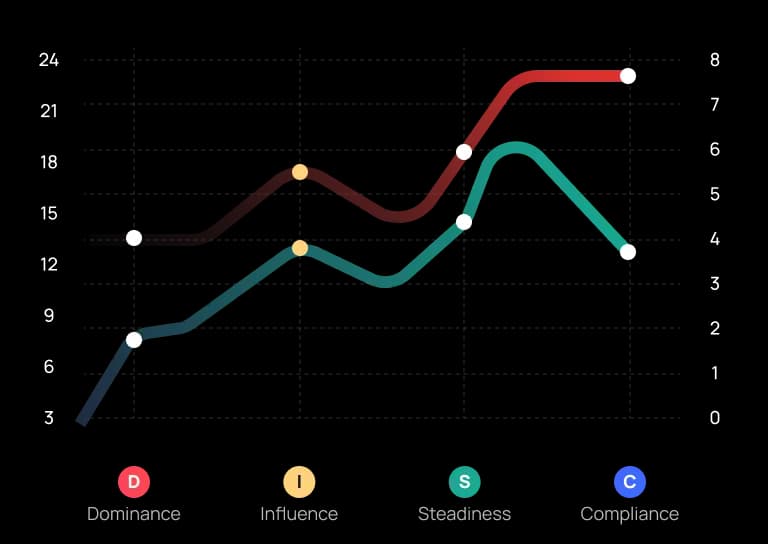
Represents your instinctive behaviors and desires.
Shows the behavioral tendencies you think you should exhibit in specific situations.
Related articles
You may also be interested in
 Self ExplorationSep 16, 2026
Introvert vs Extrovert: Which One Are You?
Are you an introvert, extrovert, or ambivert? See how energy, behavior, and environment shape your personality style, with traits and subtypes.
 Self ExplorationDec 17, 2025
What Are the Dynamics of a Team? Understanding How Teams Really Work
Discover what are the dynamics of a team and how they impact team performance. Learn how communication, roles & personality differences boost collaboration.
 Self ExplorationDec 16, 2025
100+ Team Building Questions to Build Trust & Collaboration at Work
Explore effective team building questions to boost connection, trust, and collaboration in your team. Engage everyone and strengthen your team's dynamics today!
