


Table of content
How to Read DISC Test Results: Understanding Your Personality Profile
Learn how to read DISC test results and understand your personality profile. Discover how DISC can enhance communication, teamwork, and career growth.

Table of content
Understanding how to read DISC test results is the key to unlocking deeper self-awareness and stronger workplace performance. DISC reports go beyond labels, revealing how people communicate, respond to pressure, and adapt to different roles. In this article, you’ll learn how to interpret DISC personality styles, read DISC graphs correctly, and apply these insights to teamwork, leadership, hiring, and career development - helping you turn behavioral data into practical, real-world action.
What is the DISC Test?
The DISC test is a psychometric assessment used to evaluate key workplace behaviour patterns. It is completed online and usually takes between 10 and 15 minutes. The test does not assess intelligence, technical skills, or job experience. Instead, it focuses on how individuals naturally respond to tasks, people, and challenges at work.
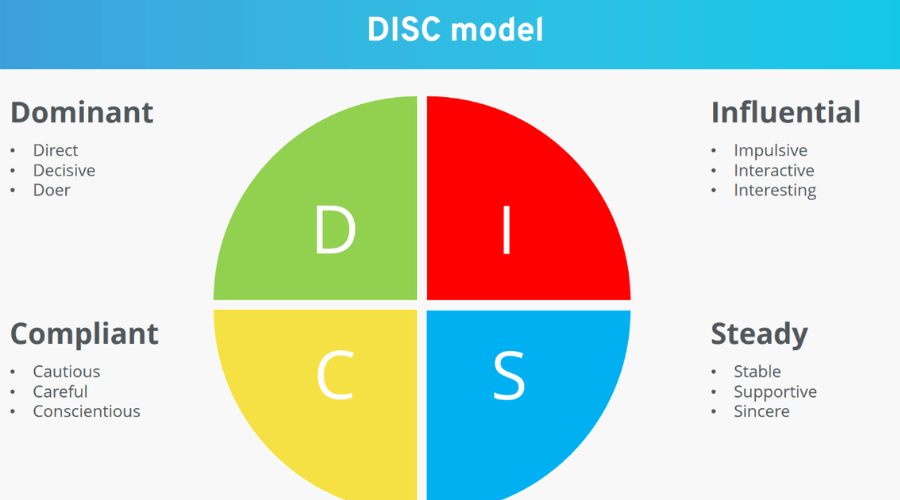
Originally developed from the work of William Marston, the DISC model has evolved to meet modern organizational needs. The test measures four behavioural styles: Dominance, Influence, Steadiness, and Compliance. Each style reflects a different approach to communication, decision-making, and collaboration.
There are no incorrect responses in the DISC test. The value lies in accurate DISC results interpretation, which helps both individuals and organizations apply insights effectively. Understanding how to read DISC test results allows teams to improve cooperation, leaders to manage more effectively, and individuals to gain deeper awareness of their behavioural strengths and limitations.
Understanding the Four DISC Personality Styles
To make sense of DISC results, it helps to understand what each personality style represents. Each DISC type reflects how people prefer to communicate, respond to challenges, and work with others. This foundation allows readers to interpret DISC outcomes more clearly and apply them in real workplace situations.
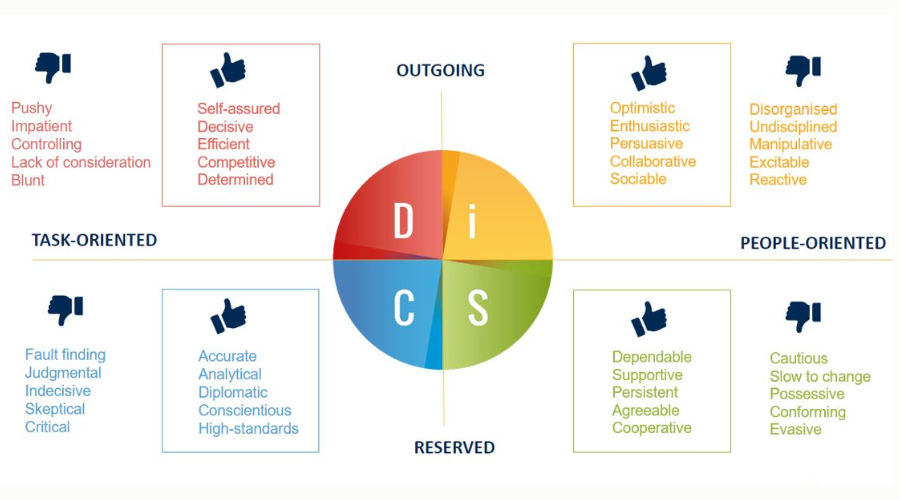
Dominance (D)
People with a strong Dominance tendency are action-oriented and confident. They focus on outcomes and prefer moving quickly toward clear goals.
When learning how to read DISC test results, a strong D profile often shows:
- Direct and decisive communication
- High comfort with pressure and responsibility
- Motivation driven by challenges and achievement
When reviewing DISC results, a dominant pattern often explains why someone thrives in fast-paced roles but may struggle in highly consensus-driven environments.
Influence (I)
Influence-oriented individuals are expressive, social, and persuasive. They gain energy from interaction and enjoy environments where communication is frequent.
Common characteristics of the I style are:
- Strong verbal and interpersonal skills
- Enthusiasm and optimism
- Motivation through recognition and connection
People often ask what is a good score on the DISC test for Influence. The answer depends on role fit, not score size. High-I profiles thrive when communication and engagement are essential.
Steadiness (S)
Steadiness reflects patience, loyalty, and consistency. People with this style value trust and prefer predictable, supportive environments.
When asking how do I interpret my DISC score for Steadiness, focus on:
- Calm and reliable behaviour
- Strong listening skills
- Preference for gradual change
In DISC interpretation, Steadiness often highlights individuals who contribute through long-term support rather than rapid action.
Conscientiousness (C)
Conscientious individuals are detail-focused and systematic. They value accuracy, structure, and clearly defined standards.
This style is commonly associated with:
- High attention to quality
- Logical and analytical thinking
- Preference for clear rules and processes
Questions like what is the rarest DISC profile often arise around C combinations, but rarity does not equal effectiveness. In DISC personality test interpretation, C styles are essential in roles requiring precision and risk control.
Learning how to read DISC test results is about understanding behaviour, not ranking personality types. When interpreted correctly, DISC helps individuals and teams work more effectively by aligning natural tendencies with expectations, roles, and working environments.
How to Read DISC Test Results and Graphs
To understand how to read DISC test results, you need to focus on behavior patterns, not individual scores. DISC results explain how a person tends to act at work, how they adapt to their role, and how they respond under pressure.
Each report visualizes Dominance, Influence, Steadiness, and Compliance through simple graphs. Reading these graphs correctly helps you interpret communication style, work preferences, and decision-making behavior with clarity.
A Quick DISC Report Explanation
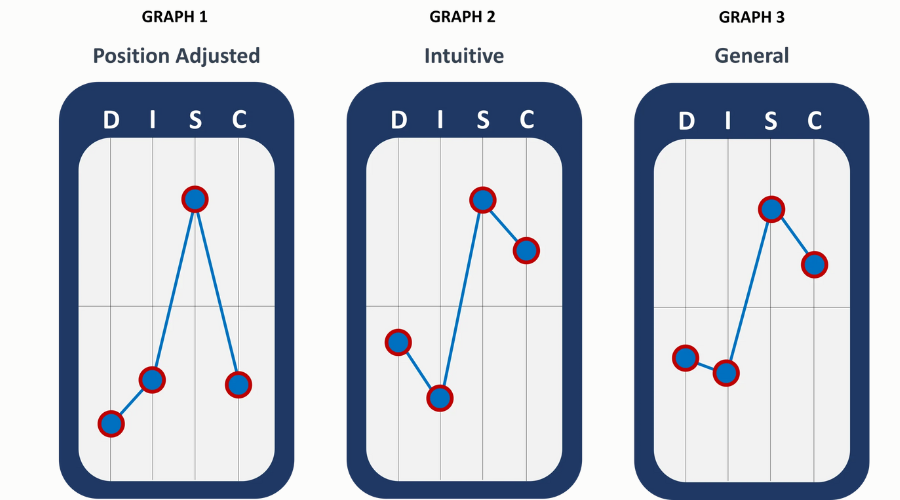
DISC reports summarize behavior using visual markers instead of complex data. Each graph displays four traits, measured on a scale above or below a center line.
Key points to understand:
- A point above the midline shows a stronger expression of that trait
- A point below the midline shows a lower expression
- Most people display a combination of traits, not a single type
When learning how to read DISC test results, remember that no score is “good” or “bad.” Each pattern simply explains how someone prefers to act, communicate, and respond in work situations.
Graph 1 – Workplace Adaptation (Position-Adjusted Profile)
Graph 1 explains how someone adjusts their behavior to succeed in their current role. It reflects how they believe they should behave at work, not who they are naturally.
This graph is useful for:
- Understanding role pressure and expectations
- Identifying areas where a person feels they must adapt
- Recognizing potential effort or strain in the workplace
When learning how to interpret DISC test results, Graph 1 helps explain why behavior may differ across environments.
Graph 2 – Stress Response (Intuitive Profile)
Graph 2 explains how behavior shifts under pressure or unexpected stress. When analyzing how to read DISC test results, this graph helps predict reactions during conflict, tight deadlines, or uncertainty.
Important insights from this graph:
- Predicts reactions in conflict or high-pressure situations
- Highlights emotional and behavioral shifts under stress
- Helps managers anticipate support needs
The intuitive profile often appears temporarily but can strongly influence workplace interactions during challenging moments.
Graph 3 – Natural Style (General Profile)
Graph 3 represents a person’s core behavioral style. It reflects how they behave when relaxed, comfortable, and not adapting to expectations.
This graph is considered the most reliable because:
- It remains stable over time
- It reflects instinctive behavior
- It shows long-term tendencies and motivations
When interpreting DISC test results, Graph 3 should be reviewed first. It provides the strongest foundation for understanding personality at work.
How to Apply DISC Results in the Workplace
Once you understand DISC test, the next step is applying those insights effectively at work. DISC results are most valuable when they help managers support employees, improve engagement, and align behavior with job requirements.
Managing Strengths and Limitations
Each DISC profile comes with natural strengths as well as clear limitations. Knowing how to read DISC test results allows managers to recognize where employees perform best and where they may need additional support.
For example, individuals who score low in Compliance often prefer flexibility over strict rules. They may perform well in fast-moving roles but struggle when tasks require high attention to detail. By understanding this, managers can:
- Assign tasks that match natural strengths
- Provide structure or support where weaknesses are likely
- Improve overall effectiveness without forcing behavior changes
This approach helps employees grow while staying productive and confident in their roles.
Motivating and Engaging People
Motivation is closely tied to personality. When managers understand DISC test results, they can identify what drives each employee and what may reduce engagement over time.
A high-D personality often needs challenge and autonomy to stay focused. Without new goals or responsibility, boredom and disengagement can appear quickly. Other DISC styles may be motivated by stability, teamwork, or clear expectations.
By aligning motivation with DISC insights, managers can:
- Keep employees engaged for longer periods
- Reduce frustration caused by mismatched expectations
- Build stronger commitment to work and team goals
Matching DISC Behaviour with the Job
DISC results are also useful when aligning behavior with job demands. Understanding results helps managers communicate more effectively and place people in roles where they can succeed.
Different DISC styles respond to different communication approaches. For example, focusing heavily on details may slow down a high-D individual, while direct and concise messaging improves clarity. In contrast, detail-oriented personalities prefer clear structure and complete information.
When DISC behavior matches job requirements, teams experience fewer conflicts, smoother communication, and better overall performance.

Start Using DISC for Your Team
Applying DISC in real work settings helps teams turn insight into action. When used correctly, DISC becomes a simple framework for improving communication, teamwork, and daily collaboration.
How to Introduce DISC in Your Team or Organization
Introducing DISC should be simple and transparent. The goal is to help people understand behavior styles, not to label or rank individuals.
A practical way to start includes:
- Explain what DISC measures and what it does not measure
- Share that no DISC style is better than another
- Walk the team through their results using clear language
- Focus on behavior at work, not personality traits
It’s important to create a safe environment where team members feel comfortable discussing differences. When DISC is framed as a shared language for behavior, adoption becomes much easier.
DISC for Team Building and Communication
DISC is especially effective for improving how teams communicate and collaborate. By understanding different behavior styles, team members can adjust how they share ideas, give feedback, and handle disagreements.
DISC supports team building by helping teams:
- Recognize different communication preferences
- Reduce misunderstandings caused by behavior differences
- Improve collaboration across roles and departments
When teams use DISC consistently, it creates stronger trust, clearer expectations, and more productive working relationships. Over time, DISC becomes a practical tool teams rely on to work better together, not just a one-time assessment.
How Can Employers Use DISC Results to Assess a Job Candidate's Fit?
Employers can use DISC outcomes to evaluate whether a candidate’s natural behavior aligns with a specific role by first understanding DISC test results accurately. DISC profiles reveal patterns related to Dominance, Influence, Steadiness, and Conscientiousness, which reflect how individuals tend to act, communicate, and make decisions at work.
When employers know how to read disc test results, they can assess role fit more effectively by comparing DISC traits with job requirements:
- Roles requiring assertiveness, fast decision-making, and leadership often suit candidates with high Dominance.
- Positions that value accuracy, structure, and process compliance are better aligned with high Conscientiousness.
- Team-oriented or support-focused roles may benefit from candidates with strong Steadiness.
- Client-facing or communication-heavy roles often match candidates with high Influence.
Understanding DISC test results also helps employers move beyond resumes and technical skills. Behavioral alignment plays a major role in long-term performance, engagement, and retention.
In addition, knowing how to read DISC test allows employers to tailor management, onboarding, and coaching approaches after hiring, leading to smoother integration, stronger performance, and higher job satisfaction.

How to Use DISC Results for Career Development
Using DISC outcomes effectively can support clearer career direction, stronger performance, and long-term professional growth. The key is translating behavioral insights into practical career decisions rather than treating results as labels.
Align DISC Strengths With Career Paths
DISC results highlight natural working styles, such as how someone approaches challenges, collaborates with others, or follows a structured approach. By understanding these patterns, individuals can identify roles and environments where they are most likely to perform well. For example, certain DISC tendencies align better with leadership, analytical work, relationship-driven roles, or process-focused positions.
Identify Skill Gaps and Development Areas
DISC profiles also reveal behavioral areas that may require conscious development. These insights help individuals focus on specific skills, such as communication, adaptability, or decision-making, that support career progression. Using DISC this way encourages intentional growth rather than generalized self-improvement.
Improve Career Decisions and Role Fit
Career satisfaction often depends on how well a role matches behavioral preferences. DISC results provide a framework for evaluating job changes, promotions, or career transitions. By reviewing how current or future roles align with DISC tendencies, individuals can make more informed and sustainable career choices.
Support Long-Term Professional Growth
Over time, DISC insights help professionals adjust their career strategies as responsibilities evolve. Regular reflection on DISC behaviors supports better goal setting, stronger collaboration, and continuous alignment between personal strengths and career direction.
Conclusion
Mastering how to read DISC test results allows you to move from simple awareness to meaningful action at work. When DISC insights are interpreted correctly, they improve communication, strengthen collaboration, and support smarter career and leadership decisions. Whether you are an employee, manager, or employer, using DISC test as a practical behavioral framework helps align people with roles where they can perform at their best. Start applying these insights today to create more effective, engaged, and high-performing teams.
FAQs
How Accurate Are DISC Test Results?
DISC test results are generally reliable for identifying behavioral tendencies and communication styles. Accuracy depends on honest responses and the quality of the assessment tool. While DISC does not measure skills or intelligence, it provides consistent insights into workplace behavior and interaction preferences when interpreted correctly.
Can DISC Be Used to Make Career Decisions?
DISC can support career decisions by highlighting strengths, work preferences, and suitable environments. It should be used as a guidance tool rather than a strict rule, combined with experience, skills, and career goals for well-informed decisions.
How Often Should I Retake a DISC Assessment?
Most individuals benefit from retaking a DISC assessment every one to two years or after major role changes. While core behaviors remain stable, workplace demands and responsibilities can influence how those behaviors are expressed over time.
Are Free DISC Tests Reliable?
Free DISC tests can offer basic insights but often lack depth and scientific validation. They may be useful for initial self-awareness, but professional or validated assessments provide more accurate, detailed, and actionable results.


Don't Let Your Potential Stay Hidden!
Take the DISC test today and discover your unique 'YOU', with deep insights into your true personality and potential.
 Understand yourself
 Choose the right career
 Suggest effective communication
 Reduce negative emotions
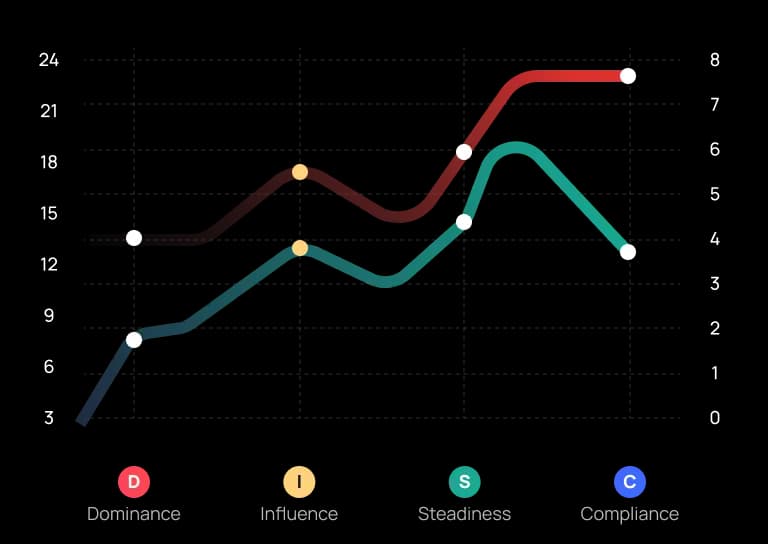
Represents your instinctive behaviors and desires.
Shows the behavioral tendencies you think you should exhibit in specific situations.
Related articles
You may also be interested in
 DISCSep 28, 2026
How to Identify Your Strengths and Weaknesses at Work
Understand your strengths and weaknesses at work by reviewing your skills, past achievements, etc. Improve and align your strengths with career goals.
 DISCMay 29, 2026
DISC Profile Activities for Team Building, Communication, & Workplace
Discover how DISC profile activities enhance team collaboration and communication. Apply practical exercises to build self-awareness and apply at work.
 DISCMay 29, 2026
DISC Assessment for Hiring: How to Use DISC to Hire Better Candidates
Learn how to use DISC assessment for hiring responsibly. Discover how DISC helps evaluate work style, team fit, communication, onboarding, and hiring decisions.
