


Table of content
What Do Aptitude Tests Measure? A Clear Breakdown of Core Abilities
Learn what do aptitude tests measure and why these abilities matter for your growth. Understand your potential and choose the right path with confidence.

Understanding what do aptitude tests measure is the first step to revealing your natural strengths and future potential. Unlike knowledge-based exams, these assessments uncover how you think, learn, and solve new problems. From reasoning and patterns to verbal and numerical processing, aptitude tests give a clear picture of your ability to grow with the right training. This guide breaks down every core skill they evaluate, and how those insights can shape smarter study choices and better career decisions.
What Is an Aptitude Test?
An aptitude test is an assessment that checks your natural ability to learn and solve new problems. It does not measure knowledge. Instead, what aptitude tests measure is your potential to understand information, think clearly, and adapt to new tasks.
The purpose of an aptitude test is simple: to predict future performance. Schools use it to place students in the right classes. Employers use it in pre-employment testing to find people who can learn quickly and stay results-oriented. This is why what do aptitude tests predict is how well you may perform with training.
These tests include short questions on logic, numbers, words, or patterns. So, what is usually in an aptitude test is basic puzzles that show how you process information. A common example is a numerical or verbal reasoning test. These are typical aptitude test examples used in education and hiring.
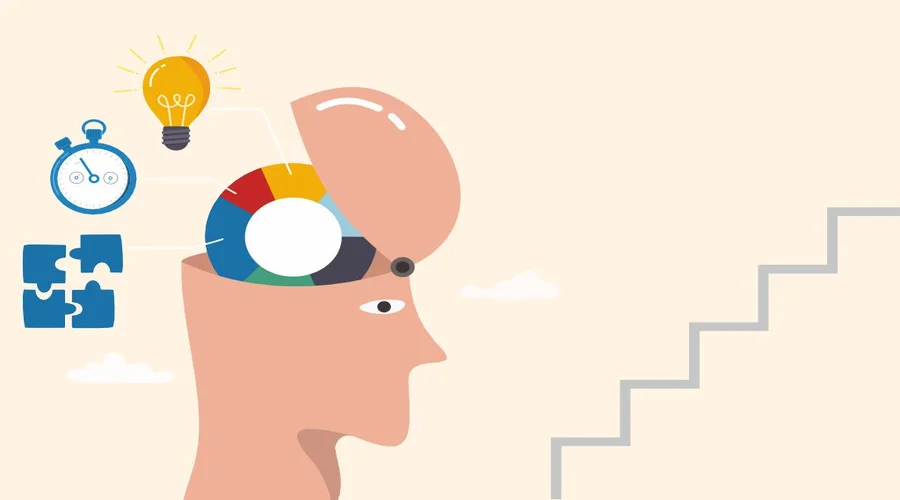
What Aptitude Tests Measure (Core Abilities)
Aptitude assessments focus on what aptitude tests measure: your natural capacity to learn, adapt, and solve new problems. They do not check memorized facts. Instead, they look at the core abilities that shape how you understand information and respond to new tasks.
Cognitive Reasoning Ability
Cognitive reasoning is the central element of most aptitude assessments because it reflects how well you make sense of new information. It shows how you think, not what you remember.
- Logical processing: spotting connections and making clear decisions.
- Problem-solving: breaking down unfamiliar situations and choosing the best approach.
Verbal Ability
Verbal aptitude evaluates how effectively you understand and use written language. This is not a vocabulary test - it assesses how you interpret meaning and process communication.
- Comprehension: reading passages and identifying main ideas, tone, implied meaning, or logical relationships.
- Language understanding: recognizing word associations, selecting synonyms, interpreting context, and understanding how ideas connect.
Numerical Ability
Numerical aptitude provides insight into your comfort with quantitative information. It represents a core part of aptitude tests for analytical or data-driven tasks.
- Quantitative reasoning: interpreting numerical trends, solving basic equations, and drawing conclusions from figures or patterns.
- Working with numerical data: reading graphs, tables, charts, and datasets to answer questions or identify insights.
Spatial & Abstract Reasoning
This section tests how well you understand non-verbal information, especially patterns, shapes, and visual structures. It shows a visual side of what aptitude tests are.
- Visualizing shapes: mentally rotating or manipulating objects to determine how they would appear from different angles.
- Identifying patterns: recognizing sequences, rules, or relationships within symbols or diagrams.
Mechanical & Technical Understanding
These items assess your ability to recognize how physical systems work. They reflect a practical part of what do aptitude tests measure.
- Understanding basic mechanical principles: knowing how movement, force, and simple tools operate.
- This practical domain reflects what do aptitude tests measure when evaluating suitability for technical, engineering, or troubleshooting roles.
Specialized Aptitudes
Some aptitude tests include additional sections to capture unique talents or natural inclinations. These help complete the broader picture of aptitude tests beyond academic or analytical skills.
- Artistic: sensing design, form, and creative detail.
- Musical: recognizing rhythm, pitch, and sound patterns.
- Coordination: controlling movement and timing with accuracy.

Why Measuring These Abilities Matters?
Understanding what do aptitude tests measure helps you make better decisions about learning, career direction, and personal development. These insights give you a clear picture of your natural potential and reduce guesswork when planning your next steps.
- Predict learning and adaptability: Aptitude results show how fast you learn and adjust to new tasks. This helps you see whether you are ready for new training, job roles, or environments.
- Identify natural strengths: These assessments highlight the abilities you perform well with little effort. This makes it easier to understand your strongest areas and how they support your long-term growth.
- Suggest suitable career directions: When matched with real job paths, your results guide you toward roles that fit your natural abilities. This support leads to better decisions and more confidence in your career choices.
- Improve future decision-making: With clear data about your abilities, it becomes easier to compare opportunities. You can choose the right major, training program, or job without feeling overwhelmed.
- Boost self-awareness: These tests help you understand how you think, solve problems, and respond to challenges. This awareness makes personal development easier and builds stronger confidence.
When People Typically Take Aptitude Tests?
People take aptitude tests at different points in life. These exams help schools, counselors, and employers understand a person’s natural strengths. The sections below explain how they are used in each setting.

In Schools
Students often complete aptitude tests early in their education. These tests help schools place them in programs that match their abilities. In this context, what do aptitude tests measure is a student’s potential to learn new skills. Understanding what is most likely to be measured by an aptitude test also helps teachers see a student’s learning state.
A common tool is the Modern Language Aptitude Test. It is what is an example of an aptitude test used to estimate how well a child may learn a new language. It can also show when a student may need extra support.
Schools use aptitude tests to:
- Identify readiness for advanced programs
- Support decisions for language or special services
Career Guidance
Older students may take broader assessments to explore future study paths. These tests look at areas such as spatial skills, problem-solving, and verbal ability. Here, aptitude tests include strengths that guide long-term choices.
Counselors use these aptitude tests examples to help students pick classes that fit their natural talents. Strong scores in mechanical reasoning may suggest engineering. High accuracy or logical thinking may align with computer science or finance.
These tests help students:
- Understand their core abilities
- Select courses that support future goals
Hiring & Job Screening
Many employers also use aptitude tests during hiring. These exams show how well a candidate may handle real job tasks. They are often used with employment screening questions to build a full picture of someone’s potential.
In the workplace, aptitude tests are job-related ability. Situational judgment tests are a common example. They present short scenarios and ask how the person would respond. This helps employers see teamwork, communication, and decision-making skills. Some tests focus on customer service and look for traits such as empathy, patience, and diplomacy.
Companies use these tools to:
- Predict job performance
- Select candidates who fit the role and team
Types of Aptitude Tests Used Today
Aptitude tests come in several forms. Each one shows what do aptitude tests measure in clear and practical ways. These assessments are used in schools, training programs, and workplaces. They help identify how a person thinks, learns, and responds to different tasks. The list below covers the main types used today, based strictly on the reference content.
- Verbal reasoning: Measures language understanding and reading skills. This type shows aptitude tests in communication-heavy roles.
- Numerical reasoning: Focuses on numbers, basic math, and data. It highlights aptitude tests in analytical tasks.
- Inductive reasoning: Measures how well you see patterns and form ideas from small clues.
- Logical reasoning: Tests your ability to follow logic, spot links, and solve structured problems.
- Abstract reasoning: Uses shapes and symbols to measure problem-solving without words.
- Artistic aptitude: The capacity to generate original concepts and demonstrate strong artistic talent.
- Diagrammatic or spatial reasoning: Reviews how well you understand diagrams and 2D or 3D objects.
- Situational judgment: Shows how you respond to real-life situations and make quick decisions.
- Mechanical aptitude: Checks your grasp of basic mechanical and technical ideas.
- Error checking or clerical aptitude: Measures focus, speed, and accuracy when finding mistakes.
These test types give a clear view of aptitude tests in thinking, problem-solving, and work-related skills.
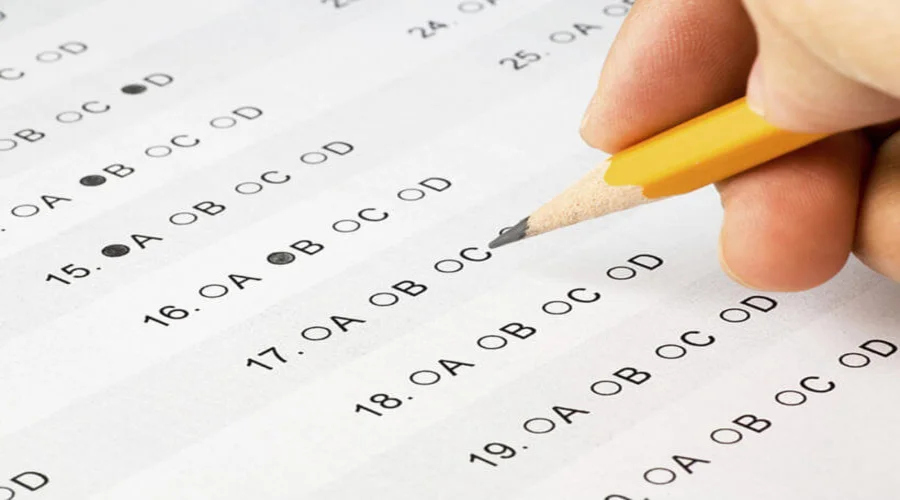
Benefits and Limitations of Aptitude Tests
Aptitude tests help you understand how you think and process information. Here are the strengths and limitations you need to know when what do aptitude tests measure.
Benefits
These tests give clear insight into what aptitude tests measure and how those results can guide real choices. They help you see your natural problem-solving style and support decisions related to work or study.
- They reveal how well you handle logic, patterns, and new tasks. This makes aptitude tests useful when comparing different tools, including the best career assessment for long-term direction.
- They support career decisions by showing which roles match your strengths.
- They help employers make fair hiring choices based on ability, not guesswork.
- They work well with the motivators assessment, giving you a full view of both skills and internal drivers.
Limitations
Aptitude tests are useful, but they have limitations. This is important when evaluating aptitude tests.
- They do not measure personality, motivation, or behavioural tendencies.
- They cannot guarantee a perfect job fit, as success still depends on training, workplace culture, and how you interact with others.
- Free versions may also lack scientific validation, meaning what aptitude tests measure in those cases may not be fully reliable.
If you want a more complete understanding of how you communicate, respond to pressure, and work with others, a DISC personality test is an ideal complement. While aptitude exams show how you think, the DISC assessment helps you understand how you behave - giving you a clearer, more rounded view of your strengths.
Ready to understand your behavioural style? Take the DISC test now and get instant insights into how you work, communicate, and lead.

How to Succeed on an Aptitude Test
You can prepare for an aptitude test. Many people believe the opposite, but it’s not true. You can improve when you know what aptitude tests measure and practice the right way.
Start by searching for the exact test you will take. Choose study guides and sample questions that match it. Then follow these simple steps:
- Practice every day. Short, daily sessions help you stay familiar with common question types. They also show which skills aptitude tests the most in your test.
- Learn the test format. Understand how many sections there are, what the questions look like, and how long each part takes. Knowing this structure makes it easier to move through skills that what do aptitude tests measure.
- Read instructions first. Do not rush. Clear instructions prevent simple mistakes and help you focus on the abilities that aptitude tests, such as logic, patterns, and problem-solving.
- Use your time wisely. Answer easy questions first. Save the harder ones for later. This keeps you calm and helps you score well on the skills aptitude tests.
- Review your mistakes: After each practice session, look at the questions you missed. Find the reason. This helps you target the exact areas the test focuses on.
- Take timed practice tests: Use a timer to copy real test conditions. This builds speed and reduces stress on test day.
With steady practice and a clear plan, you will feel more confident and perform at your best.
Aptitude Tests vs. Intelligence (IQ) Tests
To better understand how these assessments differ, the table below highlights the key distinctions between intelligence tools and aptitude evaluations, including what do aptitude tests measure and how each type is applied in real-world settings.
Criteria | Intelligence (IQ) Tests | Aptitude Tests |
| Purpose & Scope | Measure broad cognitive ability across many mental functions. | Aptitude tests are a narrower set of abilities tied to specific skills or future potential. |
| Common Use | Mostly used in schools and clinical settings. | Used in both schools and workplaces to assess potential for learning or job tasks. |
| Age Consideration | Scores are interpreted based on age norms. | Do not adjust results based on age. |
| Abilities Measured | Reasoning, memory, problem-solving, knowledge, adaptability. | Aptitude tests include targeted abilities such as numerical, verbal, spatial, or mechanical potential. |
| Focus | Reflects current general intelligence. | Predicts where someone may succeed with training or development. |
| Timeline Perspective | Present ability. | Future capability indicates where skills can be applied or developed. |
Conclusion
When you understand what do aptitude tests measure, you gain a clearer picture of your potential and the opportunities that truly fit you. These assessments don’t define your limits. They highlight where you can thrive, grow, and excel with the right support. Use the insights as a roadmap: refine your strengths, strengthen your weak spots, and make decisions with confidence. In the end, aptitude tests are not just evaluations - they’re a powerful guide to building a future aligned with your abilities and ambitions.
FAQs
What ability is measured most accurately in aptitude tests?
Aptitude tests measure reasoning ability most accurately. They look at how well you solve problems, find patterns, and work with numbers or words. Because the format is clear and structured, these tests give stable results. Reasoning speed and accuracy are often the skills shown most clearly in your score.
Are aptitude tests the same as IQ tests?
No. They are not the same. IQ tests measure general intelligence. Aptitude tests measure specific skills, like logic or verbal reasoning. They focus on how you learn and process new information. Both tests offer insights, but they serve different purposes and should not be used as substitutes for each other.
Can aptitude improve through practice?
Yes. Aptitude can improve with practice. When you work on logic puzzles, number problems, or pattern tasks, you build skill and speed. This makes future tests easier. Your natural ability matters, but regular training helps you get better results. Small, steady practice often leads to noticeable progress.
Are online aptitude tests reliable?
They can be reliable, but only from trusted sources. Good tests use researched questions and proper scoring. Many free tests are less accurate and may not reflect your true ability. For better results, choose a well-known provider and take the test in a quiet place with no distractions.


DISC Team is a content writing team for tracnghiemtinhcach.vn, focusing on the DISC model, communication styles, and teamwork. The team aims to explain concepts in accessible language, helping readers connect them with situations in their work and everyday lives.
View author profile

Don't Let Your Potential Stay Hidden!
Take the DISC test today and discover your unique 'YOU', with deep insights into your true personality and potential.
 Understand yourself
 Choose the right career
 Suggest effective communication
 Reduce negative emotions
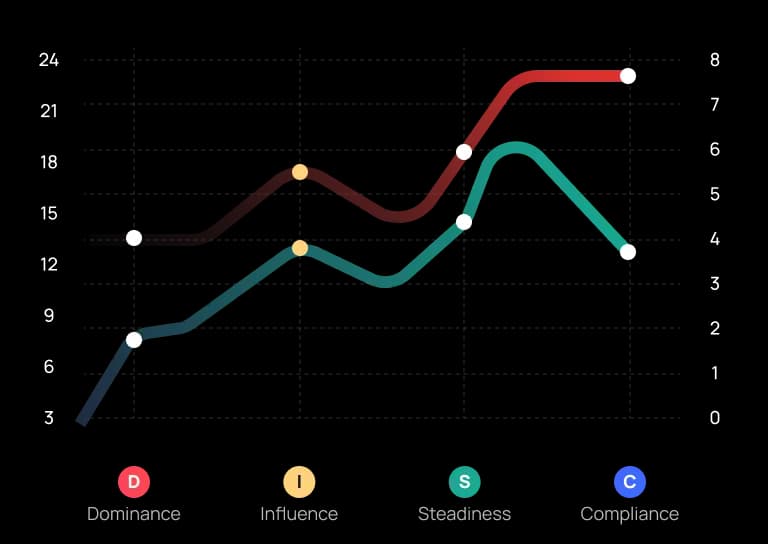
Represents your instinctive behaviors and desires.
Shows the behavioral tendencies you think you should exhibit in specific situations.
Related articles
You may also be interested in
 Self ExplorationSep 28, 2026
What Is Self-Awareness and How Can You Develop It?
Discover what self-awareness means, how it shapes your thoughts and behavior, and practical ways to make better decisions and more.
 Self ExplorationSep 16, 2026
Introvert vs Extrovert: Which One Are You?
Are you an introvert, extrovert, or ambivert? See how energy, behavior, and environment shape your personality style, with traits and subtypes.
 Self ExplorationDec 17, 2025
What Are the Dynamics of a Team? Understanding How Teams Really Work
Discover what are the dynamics of a team and how they impact team performance. Learn how communication, roles & personality differences boost collaboration.
