


Table of content
DISC Personality Colors: Meaning, Traits & How to Identify Your Style
Explore the meaning of DISC personality colors and the traits behind each style. Learn how to identify your profile to improve communication and teamwork.
Table of content
Understanding DISC personality colors gives you a simple way to see how people think, communicate, and react in daily situations. Each color reveals a unique behavior style that shapes teamwork, leadership, and decision-making. In this guide, you’ll learn the meaning of each DISC color, how to identify your own profile, and how the assessment works. You’ll also discover practical ways to use DISC in real work settings, from improving communication to building stronger teams.
What Are DISC Personality Colors?
DISC personality colors offer a simple way to understand how people act, communicate, and respond to different situations. This system explains DISC colors meaning by grouping behavior patterns into four clear color categories. Each color reflects a core style that shapes how someone works, makes decisions, and interacts with others.
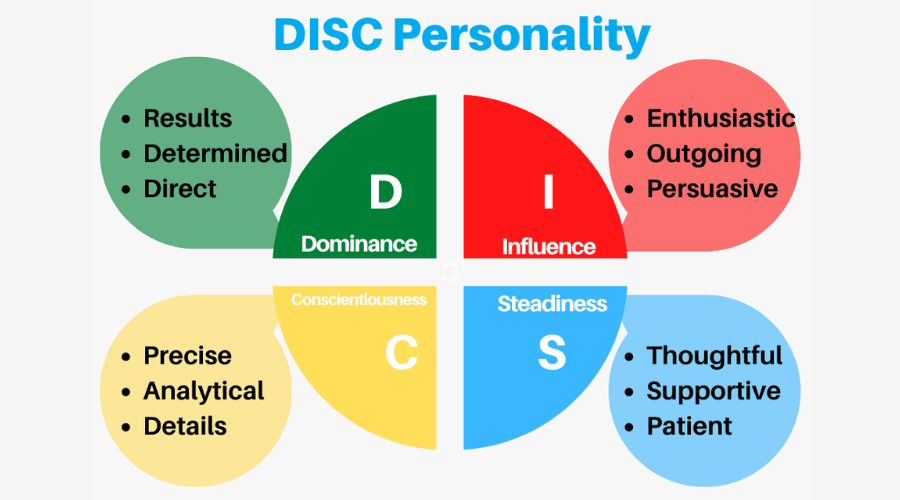
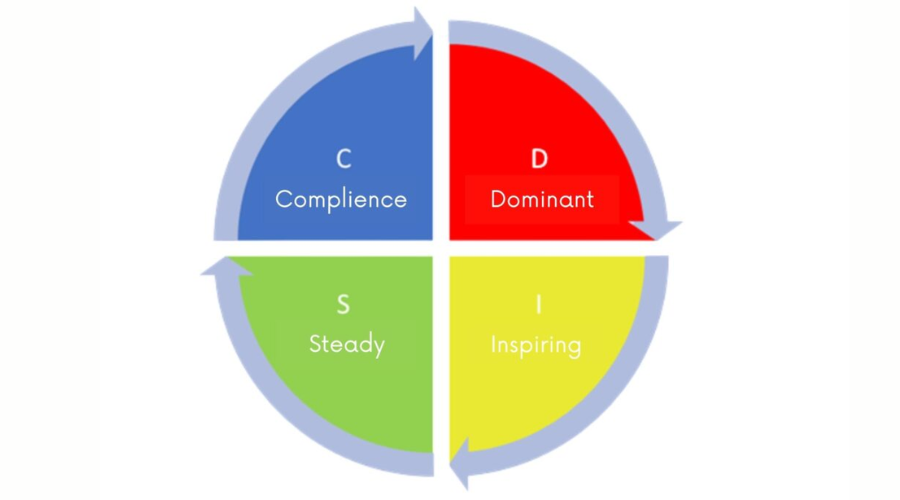
The model is shown as a circle divided into four parts, each representing one main style often used in the DISC color personality test:
- Red – Dominant
- Shows strong drive and quick action
- Prefers direct answers and clear goals
- Yellow – Influential
- Enjoys teamwork and social connection
- Communicates with energy and warmth
- Green – Steadiness
- Values calm, support, and steady routines
- Works best in predictable environments
- Blue – Compliance
- Focuses on logic, accuracy, and detail
- Ensures quality and precision in complex work.
After completing the assessment, a person is placed in the section that matches their strongest traits. Some results may fall near the center or between two areas, showing more balanced tendencies and helping clarify what do the DISC colors mean in practical use.
Understanding DISC personality colors allows teams and leaders to communicate more effectively. It supports smoother collaboration, reduces conflict, and strengthens how people work together in a group setting.
The 4 DISC Personality Colors Explained
Understanding the DISC personality colors helps people see how different behaviors appear at work. Each color shows a unique way of thinking, reacting, and communicating with others.
Red Personality
The red type (D-type) shows fast action and strong determination. Many people learning what DISC stands for see this color as the most goal-driven.
Key traits:
- Focused on results
- Direct in communication
- Ready to take charge
Reds prefer clear direction and move quickly toward outcomes. This style is useful during team building because it pushes groups toward progress. However, their speed may cause tension when others need more time.
Yellow Personality
The yellow type (I-type) brings enthusiasm, energy, and social connection. In the red blue yellow green personality types test, yellow reflects optimism and strong interpersonal skills.
Key traits:
- Enjoys teamwork
- Communicates with ease
- Motivates others naturally
They enjoy creative tasks and roles linked to personality types careers that require public contact. They lift team morale and encourage open dialogue. While their excitement can sometimes reduce focus, they strengthen workplace culture through engagement and positivity.
Green Personality
The green type (S-type) values peace and stability. When people ask what are the 4 DISC personality types, this one is known for patience and support.
Key traits:
- Calm and steady
- Reliable in routines
- Avoids conflict
Greens bring balance to fast-moving teams and help maintain trust. They prefer predictable settings and appreciate clear expectations. When pressure rises, they may stay silent even if overwhelmed. Clear communication helps them feel safe and allows personalities work best together.
Blue Personality
The blue type (C-type) follows structure and accuracy. Their careful nature aligns well with analysis and procedures, making them valuable where quality matters.
Key traits:
- Detail-oriented
- Logical and methodical
- Values rules and order
Some wonder if blue is the rarest personality type because it is more reserved. Their precision supports roles where reliability matters. For companies considering DISC assessment cost, the blue style often shows a strong return on training due to its consistent performance.
How to Identify Your DISC Color Profile
Learning your DISC personality colors helps you understand how you act and communicate. This process is simple when you follow a few steps. Start by taking a test, observing your behavior, and comparing it with the four color groups to find your best match.
Take a DISC color test
The quickest and most accurate way to identify your profile is by completing a structured DISC color test. These assessments measure how you respond in common situations and match your patterns with the four DISC personality colors. If you are choosing between different testing tools, reviewing the DISC assessment cost can help you select one that fits your needs.
Observe your natural behavioral tendencies
Your daily habits reveal your true style, often more clearly than you expect. Pay attention to how you:
- Make decisions in both simple and complex situations
- React when you face stress or deadlines
- Interact with people in group or one-on-one settings
These consistent patterns usually point to one or two dominant colors on the DISC personality test, helping you validate what your assessment shows.
Compare your traits against the four colors
Now match your traits with the four color types. Focus on how your key behaviors align with each group:
- How fast or slow you prefer to work
- How you share ideas or give feedback
- How you respond in social roles versus task-driven roles
Matching these traits with each color will help you see which DISC personality colors represent you most accurately. This simple comparison builds a clearer picture of your style and gives you confidence in your final profile.
How the DISC Color Assessment Works
The DISC personality colors system helps people understand their natural style by turning their answers into four color patterns. The assessment looks at simple choices and compares them to common behavior groups. This process reveals how a person tends to act, speak, and respond in daily life.
How responses convert into color dominance
Each choice in the assessment links to one of the DISC personality types. As a person selects the statements that match how they see themselves, the system collects these responses and groups them by color.
A color becomes dominant when it gains more points than the others. This shows which behavior pattern is used most often.
A few key ideas:
- Each response reflects a small part of a person’s natural style.
- Grouped responses create a clear picture of color preference.
- The strongest color points to the person’s main way of interacting.
Why work vs. home behaviors may differ
Many people show different shades of the DISC colors depending on the setting. Work often brings rules, expectations, and goals that shape behavior. Home, on the other hand, is usually more relaxed, which allows a person’s natural pace and tone to show more clearly.
These shifts are normal. They help explain why someone may look more direct in the office but softer or calmer at home. They also help people understand their results with greater accuracy.
How color intensity scores are calculated
Color intensity shows how strongly a person expresses each of the DISC personality colors. The assessment adds up how often each behavior type was chosen, then compares these totals to form a score.
Color intensity helps users see:
- Which traits stay steady across situations
- Which traits change more often
- How balanced or strong each color shows up in daily behavior
Higher intensity means the behavior is shown often and clearly. Lower intensity means it appears only in certain moments.
Practical Applications of DISC Personality Colors
Using DISC personality colors in daily work helps people understand behavior patterns and respond with more clarity. The model also supports leaders, teams, and hiring decisions by giving simple ways to read how others prefer to work and communicate.

Enhancing leadership & conflict handling
When leaders apply DISC personality colors, they gain a clearer sense of how each person reacts under pressure and how they prefer to communicate. This insight makes it easier to prevent conflict and guide conversations toward calm, productive outcomes.
To support smoother interaction, leaders can:
- Adjust tone and communication style based on each color’s needs
- Use conflict resolution steps that match personal work patterns
This approach helps reduce tension and creates an environment where people feel understood and respected.
Building balanced, high-performing teams
Teams grow stronger when DISC personality types are used to balance strengths and fill skill gaps. Each color brings different working styles that support group problem-solving, motivation, and focus.
A well-rounded team often benefits from:
- Clear task alignment that matches natural strengths
- Open communication that respects how each color processes information
This leads to better teamwork, fewer misunderstandings, and a healthier flow of ideas.
Using DISC colors in hiring & development
In hiring and employee growth, DISC colors offer a simple way to match roles with the right behavior patterns. Recruiters can see how a candidate’s natural style fits job requirements, which improves accuracy and reduces turnover. Development plans also become more effective because they follow how each person learns and responds to feedback.
Key advantages include:
- Better alignment between candidates and job demands
- Personalized coaching paths that support long-term growth
This helps build a workforce that performs well and stays engaged.
Common DISC Color Combinations (Blended Styles)
Many people show a mix of DISC personality colors, not just one single style. These blended patterns help explain why individuals may act confidently in one situation but more cautiously or supportively in another. Understanding these combinations makes it easier to read behavior, predict communication preferences, and create smoother teamwork.
Dominant–Influential (D–I)
This blend mixes drive with enthusiasm. People with a D–I style act fast, enjoy new ideas, and inspire others with their energy. They often take charge while still keeping a positive tone. Key traits include:
- Quick decision-making
- Strong motivation to lead
- High energy in group settings
Influential–Steady (I–S)
The I–S mix blends warmth with patience. These individuals value harmony and clear communication. They build strong relationships and often support the team through encouragement and consistency. They are known for:
- Friendly, open communication
- Calm responses to challenges
- A focus on teamwork and trust
Steady–Conscientious (S–C)
This blended style combines reliability with careful analysis. People with an S–C pattern prefer structure, clear instructions, and thoughtful planning. They aim for accuracy and steady progress. Common strengths include:
- Attention to detail
- Stable, predictable work habits
- Strong follow-through
Compliance–Dominant (C–D)
The C–D mix brings together logic and drive. These individuals use data to support decisions and push projects forward with confidence. They value efficiency and clear standards. Typical qualities:
- Analytical thinking
- Direct, results-focused actions
- High expectations for quality
Take the DISC Personality Colors Test Online
If you want to understand your natural behavior style, taking a simple online assessment is the fastest way to begin. A reliable test helps you see which DISC personality colors match your strengths, how you handle tasks, and how you work with others.
The online test at DISC Personalities gives clear questions and instant results, making it easy for anyone to learn their color type. You will receive a breakdown of your traits, along with insight into how each color influences communication and decision-making.
Start discovering your personal style and how it shapes your daily interactions. Take the DISC Personality Colors Test now!
Conclusion
Exploring DISC personality colors gives you a clearer view of how people work, communicate, and build relationships. When you understand these patterns, teamwork becomes smoother, leadership feels more natural, and daily interactions improve. Whether you want to grow personally or strengthen your organization, DISC offers a simple path to long-lasting change. Take what you’ve learned here, apply it in real situations, and watch how much easier it becomes to connect, collaborate, and lead with confidence.
FAQs
Can people have more than one color?
Yes. Most people show a blend of DISC personality types, with one or two shades appearing stronger than the rest. This mix explains why individuals may act differently in various situations while still keeping a consistent core style.
Which DISC color is the rarest?
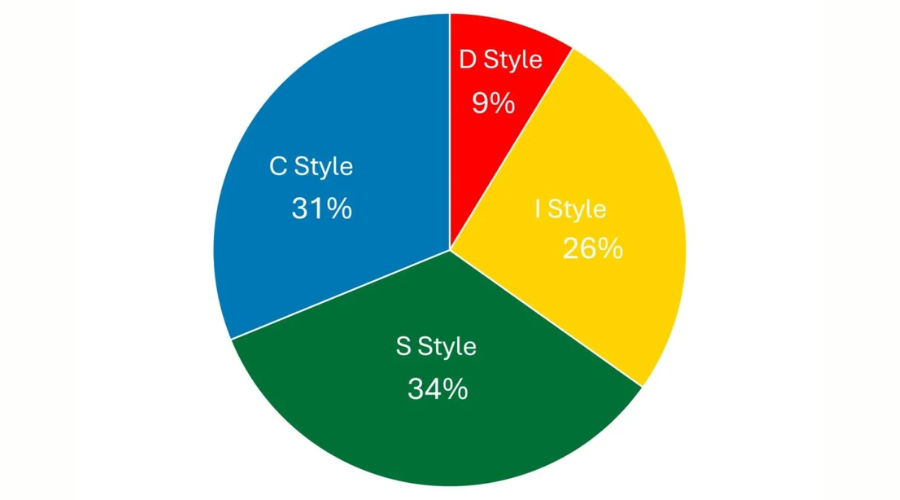
The rarest DISC personality colors profile is typically the High C or “Conscientious” style. Fewer people score dominant in this area because it reflects strong detail focus, structure, and precision, which are less common as a primary trait.
Do DISC colors change over time?
Yes, DISC colors can shift as people gain new experiences or work in different environments. While core tendencies stay stable, stress, career roles, and skill growth can influence how strongly each color appears.
Is the DISC color method the same as DISC letters?
Yes. DISC personality colors match the original DISC letters. Each color represents the same core traits found in Dominance, Influence, Steadiness, and Conscientious styles; the color system simply makes the model easier to understand.


DISC Team is a content writing team for tracnghiemtinhcach.vn, focusing on the DISC model, communication styles, and teamwork. The team aims to explain concepts in accessible language, helping readers connect them with situations in their work and everyday lives.
View author profile

Don't Let Your Potential Stay Hidden!
Take the DISC test today and discover your unique 'YOU', with deep insights into your true personality and potential.
 Understand yourself
 Choose the right career
 Suggest effective communication
 Reduce negative emotions
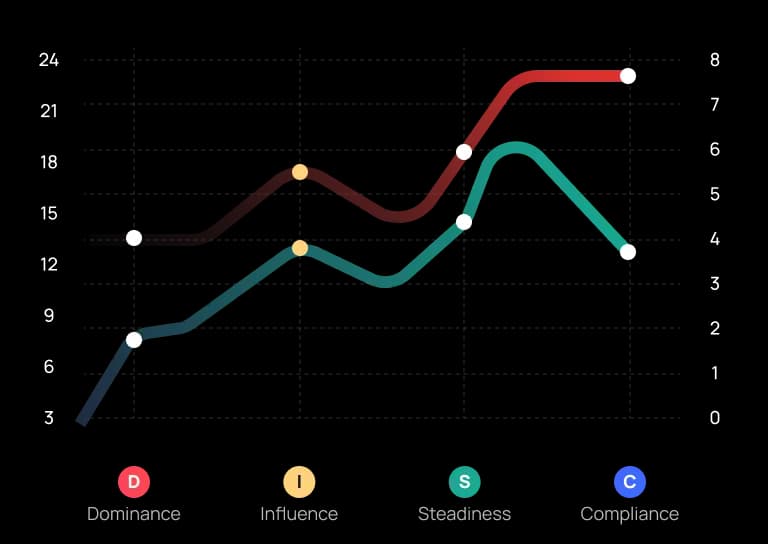
Represents your instinctive behaviors and desires.
Shows the behavioral tendencies you think you should exhibit in specific situations.
Related articles
You may also be interested in
 DISCSep 28, 2026
How to Identify Your Strengths and Weaknesses at Work
Understand your strengths and weaknesses at work by reviewing your skills, past achievements, etc. Improve and align your strengths with career goals.
 DISCMay 29, 2026
DISC Profile Activities for Team Building, Communication, & Workplace
Discover how DISC profile activities enhance team collaboration and communication. Apply practical exercises to build self-awareness and apply at work.
 DISCMay 29, 2026
DISC Assessment for Hiring: How to Use DISC to Hire Better Candidates
Learn how to use DISC assessment for hiring responsibly. Discover how DISC helps evaluate work style, team fit, communication, onboarding, and hiring decisions.
