


Table of content
Can People Change Their Personality? What Science Actually Says
Can people change their personality? Explore what science says about personality change and learn the key factors that shape how traits evolve over time.

Table of content
Many people wonder whether their traits can grow or shift as they move through life. The question “Can people change their personality?” often appears when someone wants better habits, calmer reactions, or stronger confidence. Science shows that personality is stable but not fixed. With steady effort and the right support, meaningful change can happen. This guide explains how traits evolve, what truly influences growth, and where the limits of personality change appear.
What Is A Personality?
Personality describes how you tend to think, feel, and act over time. It shapes daily choices, yet it differs from short-term moods or habits.
Personality traits vs temporary behaviors
Personality traits show stable patterns. Short reactions do not define your whole character. These traits guide how you respond in most situations and help explain why can people change their personality is a topic many explore today. Some people also wonder is it possible to change a personality trait, especially when trying to improve their habits or reactions.
Key ideas include:
- Temporary actions can shift from day to day.
- Long-term traits stay more consistent across life events.
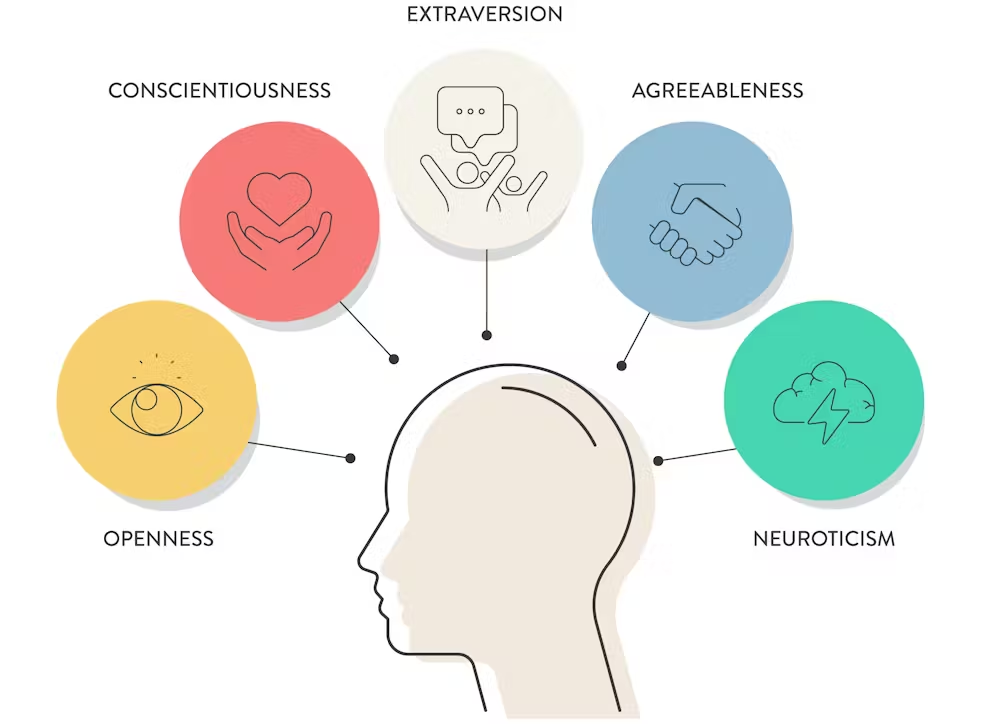
The Big Five traits - openness, conscientiousness, extraversion, agreeableness, and neuroticism - help describe these patterns. They offer a simple way to understand how people usually behave.
Why personality feels stable but isn’t fixed
Many believe their personality never changes. This feeling comes from routine behaviors that stay the same for years. But research shows these patterns can shift over time. As people adjust their thoughts and reactions, their everyday style can evolve. Insights from behavioural assessment support this idea and show how small changes can build into larger growth.
You may notice a change when you:
- Learn new ways to react in stressful moments
- Practice clearer thinking or emotional control
- Build habits that support calmer or more confident behavior
These shifts do not replace who you are. They simply show that development is possible and natural.
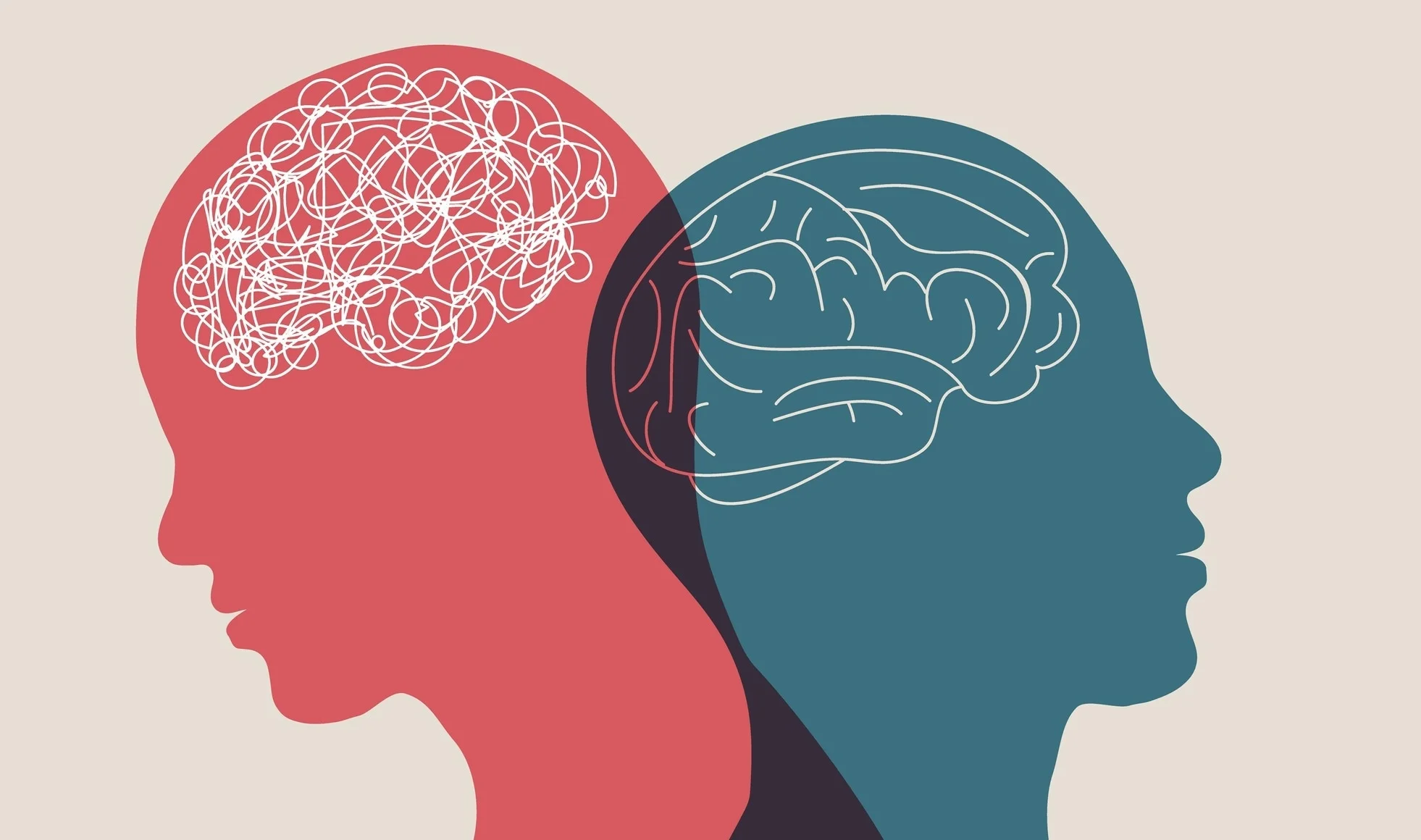
Can People Actually Change Their Personality?
Research on whether can people change their personality shows that personality is not fixed. People keep certain patterns, but they can shift how they think, feel, and act through steady practice. These findings also help answer related questions, such as does your personality change or is it possible to change your personality, showing that both daily choices and life events play a role.
Readers who explore ideas like personality adaptation, conflict resolution, or how personalities work best together often look for clear, science-based explanations, and the research supports that change is possible.
Evidence from long-term personality studies
Long-term studies confirm that people can change their personality is true for most people. As adults move through different stages of life, they often become:
- More calm in emotional situations
- More reliable in work and daily tasks
- More interested in healthy and supportive relationships
These trends also support the idea that can a person's personality change because traits shift in response to real-world demands. Genetics sets the base, but personalities change over time through habits, experiences, and social environments.
Traits that change the most across adulthood
When researchers study can people change their personality, they notice that some traits shift more than others. For example, people often show:
- Lower emotional swings
- Higher levels of responsibility
- Stronger interest in positive social ties
These changes connect with life roles, work settings, and community expectations. Many adults also learn more about themselves through tools like the most common DISC personality styles or the Enneagram, which can guide how they respond in daily life.
Short-term interventions that shift traits within weeks
Short-term programs provide extra support for the question people who can change their personality. These programs show that focused strategies can lead to real change in under 20 weeks. This is helpful for people asking how to change your personality or wondering if can people switch personalities in a practical sense. The process usually includes:
- Practicing new behaviors each day
- Adjusting thoughts that limit progress
- Building simple habits that repeat over time
These steps allow traits to shift faster than they would naturally. Change does not replace someone's core identity, but it strengthens the traits they want to grow.
Factors That Influence Personality Change
Many people explore whether people can change their personality after noticing shifts in behavior. The factors below show how change happens in simple, clear ways.
Intentional behavior & habit repetition
Choosing new actions on purpose can slowly reshape old patterns. When people practice a behavior often, the new habit becomes natural. This is one of the most effective ways for those seeking how to change your personality through daily effort.
Key ways this works:
- Repeating small behaviors until they feel automatic
- Tracking progress to stay motivated
- Building routines that support desired traits
Age-related personality evolution
As people move through different stages of life, their priorities and reactions shift. This natural process can help explain why many ask whether can people change their personality as they mature. It also affects how personalities work best together in team settings.
Life experiences & major transitions
Important life events can influence how traits show up from day to day. Changes at work, relationships, or new environments may encourage new reactions or reduce old habits.
Common triggers include:
- Moving to a new place
- Starting or ending a relationship
- Career changes
- Major stress or sudden responsibility
Therapy & digital psychological interventions
Guided methods such as therapy or digital mental health tools can help people reshape thoughts and reactions. These tools offer step-by-step support for those who want to grow, improve communication, and build stronger conflict resolution skills. They also provide structure for people who want to understand how to change their personality safely and steadily.
Mindset, beliefs, and self-narratives
A person’s mindset can open the door to meaningful change. When people believe growth is possible, they start to adjust how they see themselves. This shift often changes how traits appear in daily life and helps answer the question can people change their personality with greater confidence.
Helpful mindset shifts:
- Seeing challenges as chances to grow
- Rewriting negative self-beliefs
- Practicing positive inner talk

The “In-Betweens” of Personality: Why Change Is Possible but Not Unlimited
Stability of core traits over time
When considering whether people can change their personality, it helps to start with the basics. Some inner traits stay steady as we grow. These traits are shaped by early life and genetics. Even famous people known for significant life changes still exhibit patterns from their early years.
Key points:
- Core traits act like a personal baseline.
- These traits may guide reactions in repeated situations.
Micro-changes that accumulate into macro-personality shifts
Small actions can lead to bigger shifts over time. These daily choices help explain why can people change their personality is not a simple yes-or-no question.
Examples of helpful micro-changes:
- Adjusting how you respond to stress.
- Building new habits in communication.
- Practicing small mindset shifts each day.
When these actions repeat, they create long-term effects. Many famous people show how consistent effort can reshape how traits appear in real life.
Temporary vs long-term personality changes
Not all changes last. Some shifts come from pressure or a new environment. When these outside factors fade, old patterns may return. Long-term change needs steady practice and clear goals.
You can:
- Use new coping methods for challenges.
- Replace old beliefs with healthier ones.
- Build routines that support long-term growth.
These steps help create results that last beyond short-term phases.
How to Change Your Personality
Many people wish to improve certain traits as they grow. Research shows that gradual shifts are possible when you follow simple steps and stay consistent.

Step 1 – Identify traits you want to develop
Start by naming the qualities you want to improve. Clear goals help you focus your efforts and understand how can people change their personality through intentional choices.
You might list traits like:
- More patience
- Better communication
- Stronger confidence
Step 2 – Practice new behaviors intentionally
Behavioral change begins with small, repeated actions. When you act in new ways each day, you create patterns that support long-term growth. Even simple routines can lead to meaningful progress.
Step 3 – Use structured challenges and repeated actions
Set small challenges that push you outside your comfort zone. These tasks help reinforce new behaviors and make them feel natural over time. Examples include:
- Starting short conversations
- Giving positive feedback
- Pausing before responding
Step 4 – Build supportive environments & accountability
Surround yourself with people and settings that encourage your progress. Support makes change easier, and accountability helps you stay on track with your goals.
Step 5 – Seek therapy or coaching when necessary
Some traits are harder to shift on your own. A therapist or coach can offer tools, feedback, and structure. This guidance helps remove barriers and strengthens the belief that can people change their personality through proper support.
Step 6 – Commit for months, not days (consistency principle)
Personality adjustments require time. Practice your new behaviors for months rather than days. Consistency builds lasting change and strengthens your personal growth journey.
Personality Traits People Commonly Try to Change
Many individuals work on specific traits to improve how they think, feel, and act. These areas are often linked to well-being, relationships, and daily performance.
Increasing extroversion
People may want to feel more open, social, or expressive in group settings. Small steps such as starting conversations, joining activities, or sharing ideas in meetings help build comfort over time. These actions make social moments feel easier and more natural.
Becoming more confident & emotionally stable
Confidence grows when you face challenges in small doses. Practicing calm responses, using grounding techniques, and reflecting on past successes can strengthen emotional balance. Over time, this helps you stay steady in stressful situations.
Enhancing conscientiousness & discipline
Many aim to improve focus, organization, and follow-through. Setting simple routines, breaking tasks into smaller steps, and tracking progress can make daily habits more consistent. These changes support better productivity and long-term goals.
Reducing neuroticism
People often work to lessen worry, overthinking, or strong emotional swings. Mindfulness, breathing exercises, and cognitive reframing help reduce stress. These skills make reactions more measured and support a calmer mindset.
Limitations: What Personality Change Cannot Do
Even though people can adjust certain behaviors, some limits remain. These points help set realistic expectations when asking people can change their personality.
- Core temperament will stay: Certain natural tendencies stay stable over time. You can refine your responses, but your base temperament is unlikely to fully shift.
- Change cannot happen instantly: Deep habits need time. Quick transformation is not possible, and old reactions may still appear in stressful situations.
- You cannot become a completely different person: Growth enhances existing traits rather than replacing your identity. Change adds new skills but does not rebuild your personality from the ground up.
- Change cannot work without effort: Lasting improvement requires consistent practice. Without steady action, new patterns fade, and old habits return.
- External pressure cannot force lasting change: Real progress must come from personal choice. Change motivated by others often fails to hold over time.
Conclusion
Understanding how traits shift over time can help you grow with more clarity and purpose. While the question Can people change their personality has many layers, your daily choices still play a powerful role. If you want deeper insight into how you think, react, and work with others, exploring a DISC personality test can be a helpful next step. It offers a simple way to see your strengths and begin meaningful personal development.
FAQs
How long does it take to change a personality trait?
Changing a trait takes time. Most people need a few months of steady practice. Small actions repeated each day help build new patterns. You may see early progress within weeks, but a bigger change is slow. With consistency, new habits become natural and easier to maintain over the long term.
Are some personality traits impossible to change?
Some traits are hard to shift. They connect to your natural style and stay stable through life. You can improve how you act and react, but you may not fully change your core tendencies. Real progress comes from shaping daily behavior, not replacing who you are. Growth is possible, but it has limits.
Does personality change more in adulthood or childhood?
Change is easier in childhood because habits are not fixed. Adults can still change, but the process is slower. With steady practice, adults can adjust their behavior and grow in many areas. Both stages allow change, yet children adapt faster while adults need more time and consistency.


Don't Let Your Potential Stay Hidden!
Take the DISC test today and discover your unique 'YOU', with deep insights into your true personality and potential.
 Understand yourself
 Choose the right career
 Suggest effective communication
 Reduce negative emotions
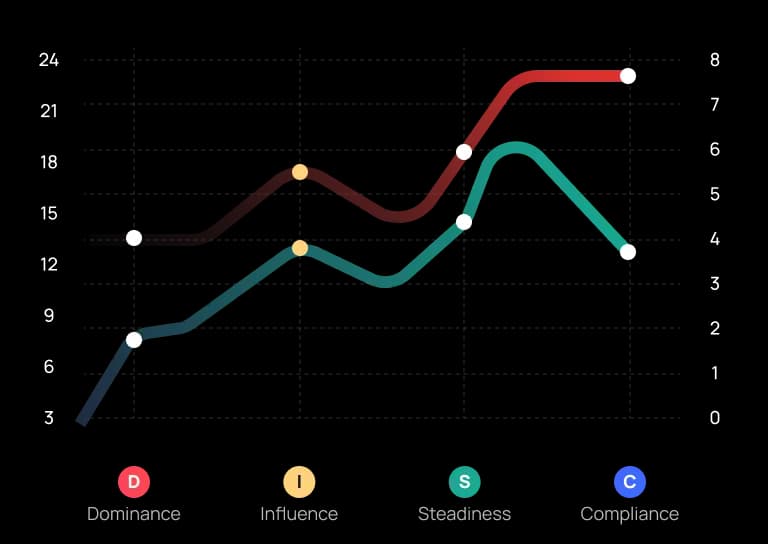
Represents your instinctive behaviors and desires.
Shows the behavioral tendencies you think you should exhibit in specific situations.
Related articles
You may also be interested in
 DISCSep 28, 2026
How to Identify Your Strengths and Weaknesses at Work
Understand your strengths and weaknesses at work by reviewing your skills, past achievements, etc. Improve and align your strengths with career goals.
 DISCMay 29, 2026
DISC Profile Activities for Team Building, Communication, & Workplace
Discover how DISC profile activities enhance team collaboration and communication. Apply practical exercises to build self-awareness and apply at work.
 DISCMay 29, 2026
DISC Assessment for Hiring: How to Use DISC to Hire Better Candidates
Learn how to use DISC assessment for hiring responsibly. Discover how DISC helps evaluate work style, team fit, communication, onboarding, and hiring decisions.
