


Table of content
Why Emotional Intelligence in the Workplace Matters for Leaders
Emotional intelligence in the workplace helps leaders handle difficult conversations, organizational change, employee concerns, collaboration, and conflict.
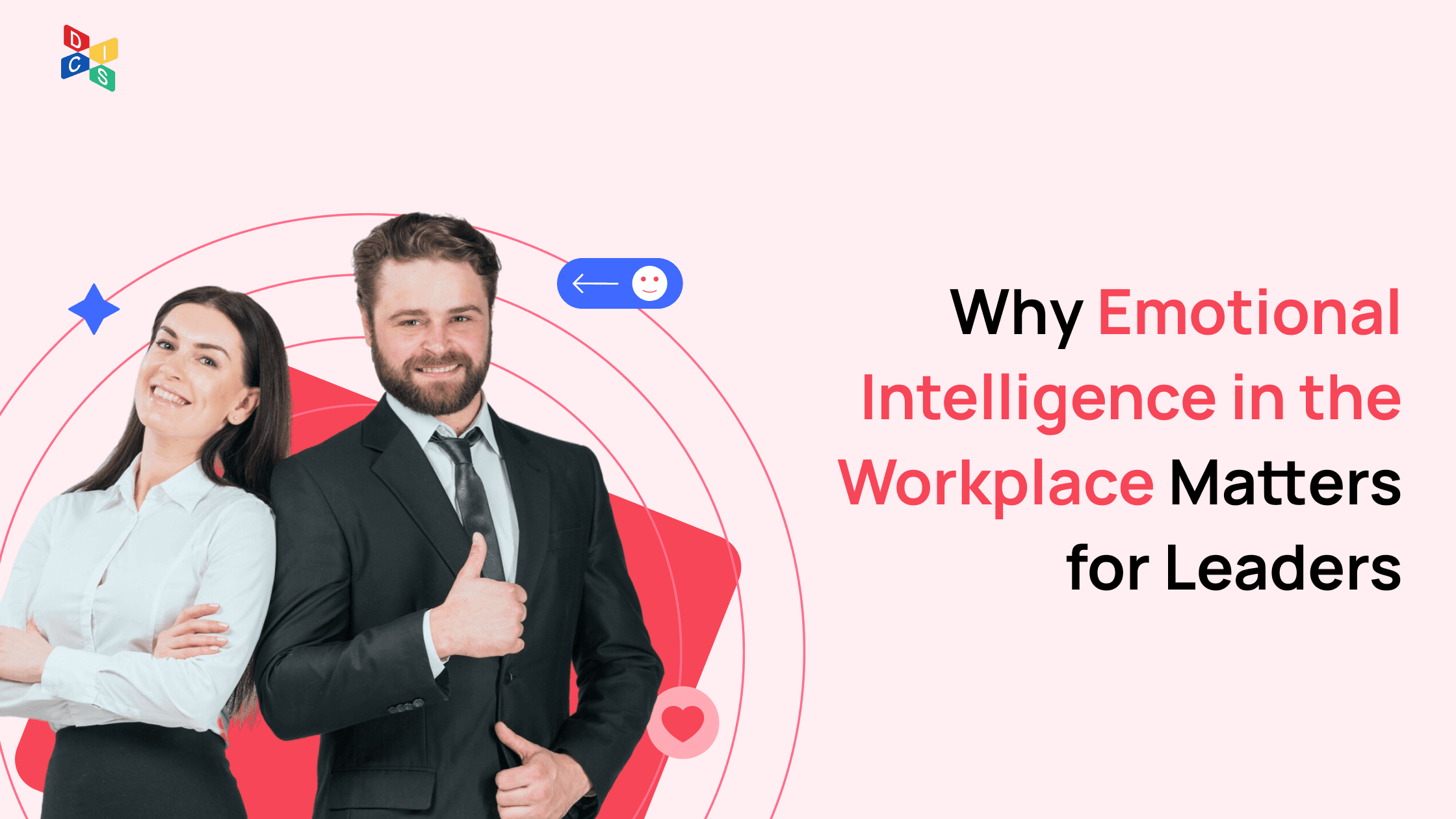
Technical ability alone doesn't carry success; emotional intelligence in the workplace helps determine what happens next.
At work, emotional intelligence shapes what happens next. How people notice and handle feelings changes communication, judgement, working relationships, and the performance of colleagues around them. For leaders and HR teams, it offers a clear view of responses under pressure, cross-functional collaboration, and mutual influence. People affect each other.
Managers must earn trust, handle hard conversations, and change their approach for different people. Their decisions should account for business priorities and human impact. Technical skill by itself rarely determines success in modern organizations.
Importance of emotional intelligence in the workplace
what emotional intelligence means (EI) is the ability to notice, understand, and manage your own emotions, while also recognizing and influencing someone else’s. Someone with strong EI is often described as having a high emotional quotient, or “high EQ.” That’s the foundation.
Emotional intelligence can strengthen communication, relationships, conflict handling, and stress management. Daniel Goleman found that these abilities mattered twice as much as technical skills and IQ, accounting for 90% of the difference separating high- and average-performing leaders.
Fewer than 20% of companies are emotionally intelligent. Companies that put EQ first are 22 times as likely to outperform competitors, while 75% of Fortune 500 companies provide EQ training for their teams.
Analytical thinking remains the skill employers want most, according to The World Economic Forum’s report, “The Future of Jobs.” Among its 26 core competencies, motivation, self-awareness, empathy, and active listening rank in the top 10. Demand for emotional skills is expected to rise by 26% by 2030. The numbers are clear.
Stronger communication
Clear communication takes more than accurate information. Tone, timing, listening, and emotional context affect the way someone receives what you say.
Better conflict management
Conflict comes with work, especially when pressure rises or priorities pull in different directions. Emotional intelligence helps you spot defensiveness and answer without adding fuel.
Improved collaboration
Collaboration needs trust, clear communication, and a willingness to work through differences. People bring different habits to communication, decision-making, and stressful moments.
EQ in leadership
Leaders set the direction of the work and influence the emotional climate around it. That makes emotional intelligence a central leadership skill, and the points below show how it appears in daily work.
- A study by Daniel Goleman found that emotional intelligence skills are twice as important as technical skills and IQ.
- In his paper, “What Makes a Leader,” Goleman noted that 90% of the differences between high and average performing leaders can be attributed to emotional intelligence.
- During organizational change, leaders need to influence, collaborate, and build momentum; emotional intelligence helps them manage those relationships.
Job performance
Pressure, deadlines, and other workplace challenges affect performance. Technical ability still matters, but emotional skills shape how employees respond when work gets difficult.

- Research found that 90% of the top performers have high emotional intelligence.
- Employees with high emotional intelligence handle pressure and perform better under stress, staying calm through deadlines, setbacks, and other workplace challenges.
- Employees with high EQ can improve team performance by around 20% and reduce turnover. Understanding others helps them collaborate with diverse personalities, raising productivity and job satisfaction.
- EQ accounts for 58% of success across all types of jobs.
- Individuals with high emotional intelligence earn an average of $29,000 more annually than those with low EQ scores.
Psychological safety
Social awareness starts with noticing words, tone, and body language. Empathy then supports psychological safety and helps teams work together.
McKinsey connects psychological safety with team effectiveness, learning, retention, decision-making, and performance.
When employees and leaders show empathy, psychological safety gets stronger. That safety can support a workplace culture that is both supportive and high-performing.
Workplace mental health
Employees with strong emotional intelligence usually manage work stress better, one of the benefits of emotional intelligence at work. Managers with high empathy can read employee needs and influence performance. It also supports increased resilience and the broader goal of increasing resilience.
70% of employees say their manager has more influence over their mental health than their therapist or doctor.
Communication shapes the manager-employee relationship. Managers who communicate clearly can build a healthier working relationship.
A study from SIGMA Assessment Systems and Western University found that mindfulness training improved employee well-being in four ways:
- Lowering perceived stress.
- Lowering rates of negative mood.
- Increasing resilience.
- Increasing rates of positive mood.
Conflict resolution
Workplace problems can grow quickly, but early, informal conflict resolution gives managers another way forward. The CIPD points to this approach, while emotional intelligence helps managers hear different perspectives, separate the person from the issue, and create constructive discussion. Keep your attention on the issue.
Better conflict management
Managing relationships involves guiding social relationships and everyday interactions. Emotional intelligence keeps a conflict centered on the problem instead of the person.
Handling conflicts calmly
When an exchange gets tense, pause, breathe deeply, and recognize the other person’s feelings before you answer.
“I can tell you’re stressed. Let’s work toward a fair answer together.”
“Let me repeat your main points so I know I understood them.”
Workplace emotional intelligence examples
Everyday customer exchanges reveal emotional intelligence at work: listening, handling pressure, giving feedback, working through disagreement and changing how you communicate. The behavior makes the skill visible.
Constructive feedback reception
Feedback becomes useful when employees stay open to improving rather than reacting from emotion. A growth mindset shapes what they do next.
Accepting feedback
A self-aware manager pays attention to how others see and respond to them, particularly when frustration fills the room. Pressure can make anyone lash out, but the manager can identify those emotions and answer concerns with empathy and clarity. High EQ supports that response through stronger self-confidence and self-awareness. It also helps employees link feedback to the organization’s business goals. The slides are still just slides.
A blunt review may feel personal, yet you can treat it as a neutral report on the presentation. The criticism is about the slides, not the person’s character.
Employees can show they’re open to improving with simple replies:
“Thanks for the feedback. Which areas should I focus on improving?”
“I appreciate your input, and I’ll make that adjustment next time.”
Organizational change adaptation
Change feels easier when employees see how it affects themselves and their colleagues. They still need a clear way to handle it.
During organizational change, employees often turn to leaders for clarity and reassurance. Uncertainty is real, but leaders can acknowledge it, explain the business context, hear concerns and show what the change means for each role. High EQ leaders communicate clearly. Support and conflict management still belong in the work. Spell out the role.

Cross-functional collaboration
Competing priorities and quick assumptions can split cross-functional teams. Emotional intelligence helps people question ideas, protect trust and listen across areas of expertise. The priorities remain.
A team leader with strong social skills gives people room to share ideas during brainstorming. Inclusive language and open body language help. Acknowledge each contribution so everyone stays involved, even when disagreement comes into the room.
Behavioral warning signs of low emotional intelligence
Low emotional intelligence may appear as weak self-awareness, poor emotional control and behavior that makes colleagues’ work harder.
- reacting defensively to feedback
- interrupting or dismissing other people’s views
- blaming others instead of exploring the issue
- avoiding difficult conversations until problems escalate
- missing signs that employees are disengaged or under pressure
- communicating in a way that feels unclear, blunt or inconsistent
- struggling to stay calm during conflict
Those patterns add tension to everyday collaboration, unlike the traits of people with high EQ. A colleague may take over meetings, misunderstand feedback or react badly when challenged.
A colleague may need to change their communication style. Otherwise, meetings become harder to run.
Employees don’t all prefer feedback in the same way, and managers can overlook that. A poor reply may harm the relationship and add to poor performance.
Stress can shape a manager’s tone. Abrupt words make the workplace tense and unpleasant.
Low emotional intelligence often stays quiet. Silence, avoidance and poor awareness can delay performance talks, leave team tension alone and overlook the human cost of change.
Relational communication
At work, strong emotional intelligence helps communication land because you notice people’s feelings and adjust your message and behavior to the relationship. With supervisors, give progress updates before they ask, which helps build trust. Ask for advice with care to show you’re willing to learn. With peers, keep feedback supportive and build collaboration through small, positive exchanges. When a client gets frustrated, stay calm, find the real concern, and shape the solution around the customer’s goals. Ask which outcome the other person wants so you can choose the right response.

Emotional intelligence skills for employees
Those client moments fit into a wider EQ map. In Emotional Intelligence, Daniel Goleman draws on work by John Mayer and Peter Salovey to identify five elements:
- Self-Awareness
- Self-Regulation
- Motivation
- Empathy
- Social Skills
Self-awareness
Self-awareness links emotions with the thoughts that shape behaviors and decisions. Notice feelings when they appear, then identify your strengths and limits while recognizing emotional triggers. The patterns show themselves over time.
Self-awareness includes:
- Emotional self-awareness
- Accurate self-assessment
- Self-confidence
A 360-degree review gathers views from your manager and colleagues, while direct reports provide another perspective. You also examine your own performance, then compare that picture with the experience others have of working with you.
Self-regulation
Self-regulation does not mean suppressing your feelings. It means inserting a deliberate pause between an emotional impulse and your outward response.
Self-management appears in emotional control and composure, while adaptability remains important. When pressure rises, manage your stress and hold on to a positive attitude while behaving in line with your personal values.
Its characteristics include:
- Self-control
- Trustworthiness
- Conscientiousness
- Adaptability
- Achievement drive
- Initiative
Role plays give employees practice with hard situations.
They might cover performance reviews and disagreements.
Internal motivation
Internal motivation keeps you focused and disciplined, helping you stay committed when work gets hard. It helps you pursue goals and keep going when obstacles appear.

Motivated people often bring resilience and ambition to their work. Passion and purpose guide how they handle tasks, and their effort can lead to greater success.
An exhausted employee may still have to prepare a presentation for an important client after a long week. Set the fatigue aside while keeping the larger goal in view and considering the work’s impact. Then stay disciplined and deliver the presentation.
Empathy
People may need empathy when a hard decision is being made, but the decision still has to happen. Consider their emotions and needs while keeping their perspectives and the human impact in view.
Social awareness means recognizing what other people are feeling.
It covers these parts of social awareness:
- Empathy
- Service orientation
- Organizational awareness
Empathy helps you read facial expressions and body language, while also noticing tone of voice, so you can understand the room accurately.
Social competence
Relationship management
Relationship management helps people communicate clearly and settle conflicts while motivating others. Those skills matter most in team roles and leadership positions.
Social skills
Social skills help in workplace moments whether you are guiding discussions or keeping conversations on track as disputes are resolved. They strengthen teamwork across departments and help develop interpersonal skills at work.
High EI
How to improve EQ at work
Mapping emotional patterns is where the work begins, but improvement should stay structured and continuous. Assessment and feedback can point to gaps; choosing one or two priority skills then gives practice a clear target. A free EQ test offers an accessible self-report option. That focus makes progress really, really measurable and ties daily work to workplace outcomes. Working with a psychologist can provide a structured, evidence-based approach. Cognitive Behavioral Therapy (CBT) supports changing unhelpful ways of thinking and building emotional self-control. Have participants rehearse real workplace situations to turn knowledge into behavior, including conflict resolution, giving feedback, or communicating with supervisors. Repeated practice reinforces workplace behavior.

Keep a reflective journal to capture emotional triggers and the responses that follow. Mindfulness uses breathing or a deliberate pause to regulate reactions instead of acting on impulse. With perspective taking, pause to summarize a colleague’s point before replying, then acknowledge the context and feelings involved.
Group simulations let participants practise listening, empathy, and relationship-building while receiving feedback; managers reinforce progress over time, so new behaviors continue at work.
Human resources strategy
HR teams can make emotional intelligence a hiring priority and assess personality in the workplace alongside technical skills during hiring, then help employees build those skills for use throughout other parts of the workplace. HR can use it beyond hiring.
For HR, backing strong emotional intelligence can help both employees and the business keep moving forward together.
Workforce training initiatives
Train Your Team on EQ
Run workshops and training, and use tools like EQ assessments to help employees build this capability.
Encourage Self-Reflection
Provide Feedback
Constructive feedback helps employees feel backed as they improve, without making criticism something to fear.
Foster Open Communication
Clear communication builds trust and tells each team member that their voice counts.
Celebrate Wins
Recognize achievements, whether large or small, and express gratitude to employees for the effort that keeps morale up.
Get to Know Each Other

Create space for employees to connect as people outside work and learn more about one another.
Support Stress Management
Wellness efforts can include mindfulness programs and regular breaks to help keep burnout away.
Because this capability develops over time, training should remain part of regular workplace practice and reflection.
Leadership role modeling
Leaders establish the tone, so they must model these behaviors in their own conduct.
When change makes leadership harder, leaders show this capacity by communicating with empathy and building confidence during times of change or strife.
Climate perception surveys
Quantitative measurement of this capacity can be hard. Metrics, including Employee opinion surveys and Psychological safety questionnaires, still offer insight into the emotional climate.
- Employee opinion surveys: These can provide insights into the organization’s emotional intelligence.
- Psychological safety questionnaires: These can offer important insights into how employees experience psychological safety.
- Metrics: These can also contribute to understanding the organization’s emotional intelligence and psychological safety.
Frequently asked questions
What is emotional intelligence?
When you can manage your own emotions and read those around you, you're showing emotional intelligence (EI). Someone with high EI can identify and understand what they're feeling, then notice how those feelings shape their actions and affect people nearby.
Why is emotional intelligence important at work?
Organizations that prioritize EQ have a 22-fold, or 22 times greater, likelihood of outperforming competitors. EQ in the workplace helps us see how emotional reactions shape behavior and, from there, organizational performance.
What are the five components of emotional intelligence?
This framework breaks emotional intelligence into five components.
- Self-Awareness
- Self-Regulation
- Motivation
- Empathy
- Social Skills
It also groups emotional intelligence into the following related areas:
- Self-awareness
- Self-management
- Social awareness
- Relationship management
How can emotional intelligence be improved?
You can build EI skills with thoughtfulness and practice; those are the two parts of the process.
- Thoughtfulness: Consider emotional patterns and how they affect your behavior.
- Practice: Repeatedly apply emotional skills in workplace situations.
How do organizations assess emotional intelligence?
Usually, the strongest assessment uses several approaches together.
Organizations can assess emotional intelligence with structured assessments, behavioral interviews, 360-degree feedback, manager observation, and coaching conversations. Taken together, these methods offer several views of emotional behavior at work.
What is the difference between EQ and IQ?
The basic difference between IQ and EQ is simple: EQ covers emotional and social capability, while IQ covers cognitive ability and reasoning. IQ includes processing information.
- EQ: Supports communication, collaboration, leadership and Relationship management in the workplace.
- IQ: May support technical problem-solving.
- Information processing: IQ focuses on how people process information, whereas EQ focuses on how they understand and manage emotional information.
What are examples of emotional intelligence in the workplace?
Workplace examples include a manager’s performance conversation and employees’ approach to giving feedback.
Leadership conversations
If an employee’s performance falls, a manager with low EQ may focus only on missed targets. Ask about the context and listen carefully before agreeing on clear next steps.
Feedback
Emotionally intelligent feedback stays direct and constructive; it avoids personal criticism and addresses behavior and its impact while supporting improvement.
Key takeaways
Practical emotional intelligence gives leaders and HR teams a clear way to read workplace communication, pressure responses, relationships, and team performance. These are workplace skills.
- Emotionally intelligent workers are more empowered, productive, and engaged at work.
- They handle challenges with resilience, embrace change, and contribute to a positive and collaborative workplace culture.
Technical ability can establish your competence, but that’s only the beginning. Keep building emotional intelligence in the workplace through skills you can observe, practice, assess, and apply in workplace communication, pressure responses, relationship management, and team performance. Use technical ability to establish competence, then develop emotional behaviors that strengthen performance, relationships, and leadership. Those skills can also help you handle challenges with resilience, embrace change, and contribute to a positive, collaborative workplace culture.


Don't Let Your Potential Stay Hidden!
Take the DISC test today and discover your unique 'YOU', with deep insights into your true personality and potential.
 Understand yourself
 Choose the right career
 Suggest effective communication
 Reduce negative emotions
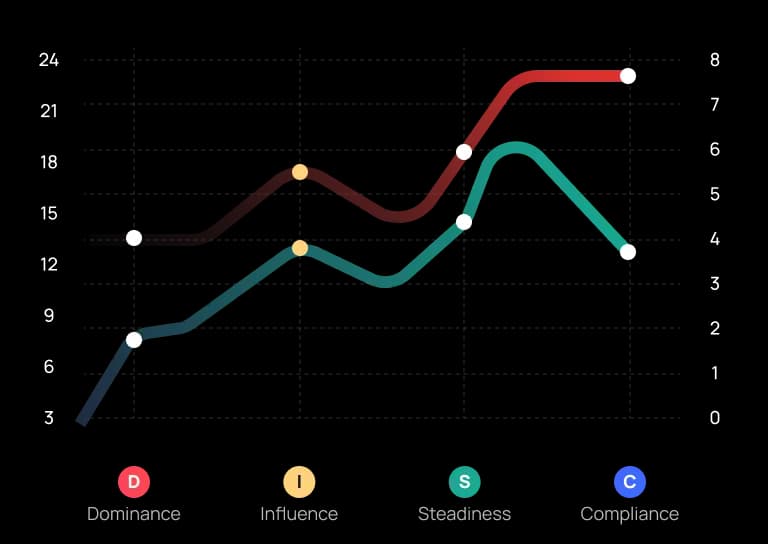
Represents your instinctive behaviors and desires.
Shows the behavioral tendencies you think you should exhibit in specific situations.
Related articles
You may also be interested in
 IQ, EQSep 22, 2026
Emotional Intelligence and Conflict Resolution: A Practical Guide
Learn how emotional intelligence supports conflict resolution through self-regulation, active listening, empathy, and clear communication.
 IQ, EQSep 22, 2026
What Is a Low IQ Score? Meaning, Ranges, and What It Indicates
Learn what a low IQ score means, where different IQ ranges fall, and why IQ alone cannot determine intelligence, ability, or everyday functioning.
 IQ, EQSep 21, 2026
15 Daily Signs of High Intelligence You Might Have
Discover 15 daily signs of high intelligence, from pattern recognition and curiosity to metacognition, creativity, adaptability, and more.
