


Table of content
Emotional Intelligence and Conflict Resolution: A Practical Guide
Learn how emotional intelligence supports conflict resolution through self-regulation, active listening, empathy, and clear communication.
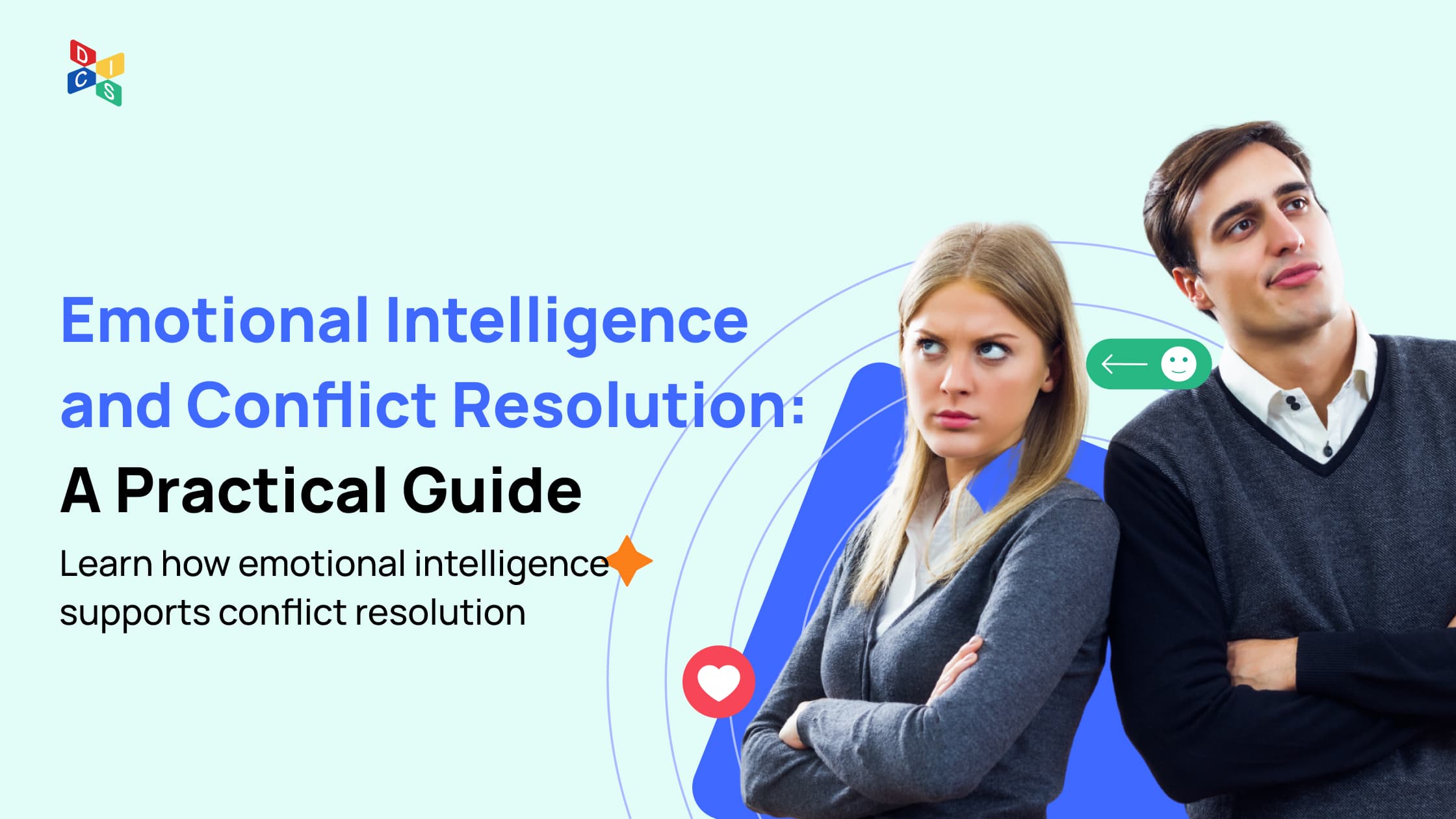
Conflict reaches every workplace eventually.
How people handle conflict shapes what follows. When disputes break out, leaders may feel pushed to take control and give orders, especially if they believe a quick answer will end the matter. That move rarely brings lasting peace and often leaves resentment behind.
Emotional intelligence and conflict resolution can take the conversation in a different direction. Stay calm, listen closely, and resist the urge to win. Empathy shifts the exchange from control toward connection, leaving room for mutual understanding and collaboration.
Don't make winning the argument your goal.
Conflict eventually reaches every workplace. When disputes arise, leaders may feel pressure to take control and give orders, but that approach rarely brings lasting peace. This authoritarian compliance can reflect visible signs of low EQ in management. Resentment often follows.
For leaders, EI can change the course of conflict resolution. Stay calm, listen actively, and don't treat the argument like something you have to win. Empathy moves the exchange from control to connection, making room for mutual understanding and collaboration.
Foundations of Emotional Intelligence
The phrase emotional intelligence (EI) describes the skill of using emotions well, both in yourself and in other people. This foundational definition captures the meaning of emotional intelligence. At work, EI is said to influence 58% of job performance. Its five abilities are self-awareness, self-regulation, motivation, social awareness, and relationship management.
Self-awareness in conflict starts with noticing the emotional patterns and biases that surface, including your triggers. That means noticing the emotional patterns and biases that surface, including your triggers. Before you trust your first reading of a situation, notice what’s been stirred up in you. While 95% of people consider themselves self-aware, only around 15% meet that description. Identify your assumptions, then weigh the facts instead of prejudice.
Self-regulation gives you room between feeling something and acting on it. That pause helps you answer thoughtfully instead of escalating or slipping into a win-or-lose mindset. Follow this sequence.

- Pause and breathe before reacting, giving yourself a moment to choose your words.
- Name the emotion. Identify whether you are angry, frustrated or defensive; naming it helps reduce its intensity.
- Stay grounded. Keep your voice calm and your body language open while you decide how to respond.
Social awareness turns your attention outward. Use empathy and perspective-taking to recognise the other person’s emotions and understand their point, even when you see things differently. Respond to what they mean, rather than simply reacting to the effect their words have on you.
Relationship management is where that understanding gets used. Assertive communication lets you state what you think and feel, along with what you need, clearly and respectfully, without becoming aggressive or passive. Collaborative conflict resolution looks for answers that meet everyone’s needs.
Taken together, these abilities move conflict beyond self-management and support clearer communication while strengthening cooperation and trust. Once everyone has been heard and a solution has been agreed, check in with those involved and make sure the agreed actions are happening.
Core Emotional Intelligence and Conflict Resolution Practices
Emotional Intelligence
Strong emotional intelligence and negotiation skills help people handle conflict in legal negotiations and courtroom settings. The stakes are real, and emotion still enters the room.
When a team is trying to settle a dispute, active listening usually works better than issuing commands.
Empathy
Authority may close a dispute, but Empathy usually helps people accept and live with the answer.
Collaboration
Emotional intelligence makes cooperative problem-solving possible and gives people a way to work together.
Professionals who can handle hard emotions often do better in negotiations and discussions. The feelings stay.
Active Listening
Active listening rests on a few simple actions, each with its own purpose: Hold space, Engage fully, Acknowledge, and Reflect back. Make eye contact with the speaker.
| Step | Action | Purpose |
|---|---|---|
| Hold space | Create a calm, focused setting | Shows respect and attentiveness |
| Engage fully | Give your full attention | Indicates genuine interest |
| Acknowledge | Use nods or brief affirmations | Confirms that you’re listening |
| Reflect back | Paraphrase what was said | Ensures you’ve understood correctly |

Silence alone won't do it. Listen for meaning in the speaker's words, body language, response, and remembered details.
Put your attention on the speaker, not on drafting your reply. Paraphrase their point and ask clarifying questions in a heated discussion.
Active listening also means doing more than nodding:
- Making eye contact
- Avoiding interruptions
- Reflecting back what you hear
- Allowing the other person to finish
Questions such as “Can you tell me more about how that affected you?” and “What do you need right now to feel supported?” let the speaker explain.
Perspective-Taking
Perspective-taking doesn't ask you to agree. It asks you to follow the reasoning behind another person's position and view the situation as they see it.
Perspective-taking means trying to see the situation from the other person’s point of view.
Hear the other person's viewpoint before offering yours. Empathy in conflict resolution helps you understand more of the conflict and respond to the other person’s perspective.
Role-playing activities helped team members step into each other's shoes. Conflict resolution styles also affect how people handle disagreement, express needs, and respond to compromise.
Ask questions that uncover how others think and feel. “Can you walk me through what happened from your view?” can open that account.
Non-Confrontational Communication
Communication
'I' statements keep a conversation open because they name feelings without putting the other person on trial. Begin with your experience and stay close to what happened.
Communication Don'ts
Rather than saying “I’m angry,” someone might say, “I felt rejected when you were picked to present instead of me.” That wording reports an experience without accusing anyone.
Keep communication factual.
- Sticking to objective observations
- Keeping descriptions factual
- Providing specific examples
Clear, respectful communication gives people room to state needs and concerns while recognizing what others need. Keep those needs in view.

Emotional intelligence helps speakers put thoughts and feelings into words, while active listening keeps them from talking only about their own message.
Assertiveness training enables people to speak with confidence and respect. Softer language can lower defensive walls, but overly indirect wording may hide how serious the issue is.
Constructive Feedback
Constructive Feedback should focus on specific behavior and give the person something they can change. Personality isn't the target. Address report timing rather than character.
Trade “You're always late with your reports” for “I've noticed that the reports have been coming in after the deadline. How can we ensure they are submitted on time?”
Ask what got in the way. “What got in the way?” invites a talk about the cause without assigning blame.
Feedback doesn't have to become a minefield. Hard conversations still belong on the team.
Set norms for active listening, sharing your perspective, and staying open without defensiveness. In that setting, resolving conflict becomes routine.
How to Resolve Conflict with Emotional Intelligence in Three Steps
When conflict turns negative, emotional intelligence can help move it toward a positive resolution by shaping the setting, sharpening communication, and steadying each person during the exchange.
Creating a Favorable Environment
Neutral, calm space
Emotional regulation during conflict becomes easier once people regain control of their emotions. A neutral, calm place gives them the space to concentrate on settling it.
Address conflict calmly and in private. Practice active listening with everyone involved from beginning to end.
Establishing Clarifying Communication
Listening closely helps, but clarity still takes work: Ask questions, request clearer explanations, and Repeat back what you heard so both can confirm what the other meant.
| Listening Stage | Core Action | Communicative Purpose |
|---|---|---|
| Practice active listening | Listen to fully understand the situation | Helps each person understand what is happening |
| Ask questions | Ask questions and request clarity | Gives everyone a chance to explore what they have heard |
| Repeat back | Repeat what has been heard | Checks whether the message was understood |

Giving each person room to be heard might settle the conflict: Ask questions; Repeat back explanations; then make sure both people understood the message.
- “Can you tell me more about how that affected you?”
- “What do you need right now to feel supported?”
- “Can you walk me through what happened from your view?”
- “What got in the way?”
Maintaining Self-Regulation
Self-regulation remains necessary no matter what you hear, since controlling your own thoughts and feelings helps prevent the situation from escalating.
Follow these steps to keep your response steady:
- Take a timeout during the conflict so you can step back and compose yourself.
- Return to the discussion with a clearer mind after regulating your own emotions.
- Be respectful, authentic, and show integrity, making you more relatable and trustworthy so those involved are more willing to accept the solutions put forward.
Developing Individual Emotional Intelligence
With practice, you can learn emotional intelligence and keep improving it. A DISC personality test can help you understand personality traits and communication styles. Mentoring and self-review, together with simulated conversations and feedback, help you notice emotional cues in yourself and others and communicate more clearly after you select a considered response.
Mindfulness Practices
Recognising emotional patterns
Regular mindfulness lets you spot emotional patterns and face conflict with a steadier response. Coaching can reinforce this practice.
Staying present
Use meditation and deep breathing exercises to remain present while observing your emotions, which builds self-awareness. Role-play can reinforce this awareness.

Reflective Journaling
A journal brings patterns into view, making recurring ones easier to identify. It helps you examine conflicts and emotional responses while you understand your emotional landscape and manage emotions.
Daily emotional experiences
A journal gives you room to reflect on Daily emotional experiences and the triggers behind your reactions.
Emotional buildup
A written record keeps Emotional buildup from clouding simple workplace decisions.
Debriefing Past Conflicts
Look back through reflective exercises to learn from earlier experiences, examining conflicts and emotional responses to see how emotions shaped the outcome.
- Discussing conflicts with a trusted friend or mentor.
- Analysing what worked well and what didn’t.
- Setting goals for improvement.
Guided reflection teaches participants to enter conflict with a positive attitude and build deeper mutual respect for the other person’s perspective.
Frequently Asked Questions
What is emotional intelligence in conflict management?
Notice and handle feelings in conflict while respecting the other person’s view. It brings together self-awareness, self-regulation, empathy, motivation, and social skills, all of which shape communication.
What is the difference between emotional intelligence and empathy?
Empathy connects you with another person’s feelings. EI also helps you manage your own emotions and speak clearly under pressure.
Managing your own emotions
A person may feel empathy and still lose control of their emotions or struggle to communicate clearly when conflict becomes tense.
Can emotional intelligence be taught?
Yes, practice can strengthen emotional intelligence: build self-awareness, improve emotional regulation, and learn to show empathy.
With practice
Regular practice helps people recognize and manage feelings rather than treating emotional intelligence as something fixed.
How do I respond calmly when I feel triggered?
Self-awareness creates a pause when emotions rise, giving you room to answer thoughtfully. Start by looking at the situation.
Use these steps to shift from an immediate reaction toward understanding:
- Ask what the situation really needs.
- If appropriate, take a short break to regain your composure.
- Re-engage with a clearer mindset.
Is EI better than assertiveness in conflict?
EI and assertiveness support each other. Assertiveness lets you speak plainly while you work through conflict.
Does EI work in high-stress or fast-paced environments?
In high-stress settings, EI helps people stay focused, ease tension, make sounder decisions under pressure, and support others through uncertainty. Pressure shows the skill.
Stabilising force
Leaders who remain regulated and empathetic in chaos can become the steady force their teams need. Executive modeling and non-defensive listening are signs of high emotional intelligence.
How does active listening help resolve conflicts?
Active listening helps individuals feel heard. That lowers defensiveness and moves the exchange away from confrontation and toward collaboration.
Listening can turn conflict in two useful directions.
- Feeling heard: People become less defensive.
- Changing the tone: The conversation moves from confrontation to collaboration.
Why is self-regulation important?
Self-regulation matters since other people remain outside your control. Your response is yours to manage, which helps you handle conflict, stay measured, and keep the situation from escalating.
Your response
You can’t direct what other people do, but you can manage the way you respond.
Managing conflicts
A calm, measured response keeps your reaction from adding to the conflict.
How can organizations evaluate EI in conflict management?
Leave measurement until last. Organizations can assess EI in conflict management once the earlier steps have been addressed.
Where can I learn EI skills for conflict management?
Formal conflict resolution training gives people tools for disputes. It often includes negotiation, mediation, and problem-solving methods for handling conflict constructively.
Preventing breakdowns
Conflict resolution deals with breakdowns after they happen and with preventing those breakdowns in the first place.
Authority may settle a problem for now, but emotional intelligence builds trust over time. Choosing empathy over ego can change the conflict.
Emotional intelligence and conflict resolution follow a practical sequence: notice your reaction, regulate it, understand the other view, then state what you need and solve the problem together. Empathy helps you understand people, while assertiveness helps you speak clearly. Self-regulation stops your response from adding heat. Practice, training, active listening, and careful measurement help you build and check these skills. Keep the work concrete: pause, listen, speak plainly, and deal with the problem in front of you.


Don't Let Your Potential Stay Hidden!
Take the DISC test today and discover your unique 'YOU', with deep insights into your true personality and potential.
 Understand yourself
 Choose the right career
 Suggest effective communication
 Reduce negative emotions
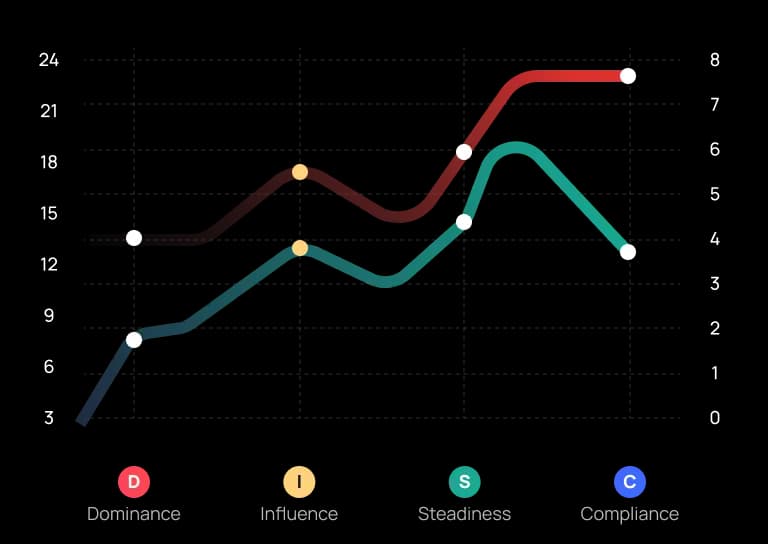
Represents your instinctive behaviors and desires.
Shows the behavioral tendencies you think you should exhibit in specific situations.
Related articles
You may also be interested in
 IQ, EQSep 25, 2026
Why Emotional Intelligence in the Workplace Matters for Leaders
Emotional intelligence in the workplace helps leaders handle difficult conversations, organizational change, employee concerns, collaboration, and conflict.
 IQ, EQSep 22, 2026
What Is a Low IQ Score? Meaning, Ranges, and What It Indicates
Learn what a low IQ score means, where different IQ ranges fall, and why IQ alone cannot determine intelligence, ability, or everyday functioning.
 IQ, EQSep 21, 2026
15 Daily Signs of High Intelligence You Might Have
Discover 15 daily signs of high intelligence, from pattern recognition and curiosity to metacognition, creativity, adaptability, and more.
